Vietnam’s coffee industry is entering a new phase of development as global supply conditions shift, export competition intensifies, and the need for higher-value production becomes increasingly important. While the country remains a major global Robusta supplier, its long-term competitiveness will depend on processing capacity, product quality, supply chain transparency, and stronger participation in international markets.
Vietnam’s Coffee Industry Faces a Structural Transition
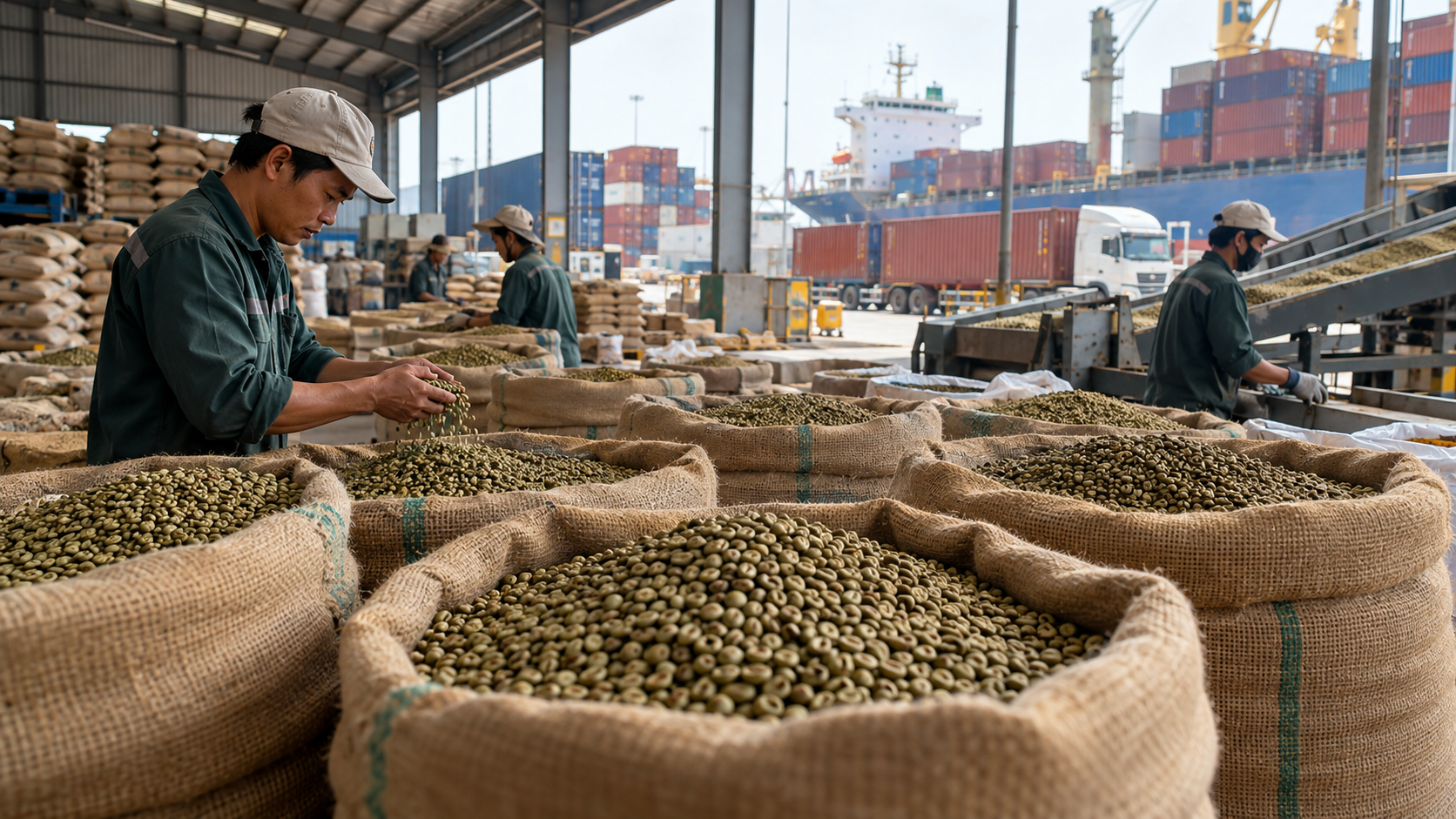
Vietnam has established itself as one of the world’s leading coffee exporters, supported by its large-scale Robusta production, competitive agricultural infrastructure, and extensive international trading networks.
During the 2025–2026 crop year, Vietnam exported approximately 1.8 million metric tons of coffee, generating an estimated USD 8.5 billion in revenue, according to industry figures reported by Thời báo Ngân hàng.
Despite the substantial export value, revenue growth remained relatively modest at approximately 1% compared with the previous crop year. This highlights an important challenge: higher export volumes do not necessarily translate into stronger financial performance when global coffee prices fluctuate.
For decades, Vietnam’s coffee industry has benefited from its ability to supply large quantities of green coffee to international markets. However, relying primarily on raw material exports leaves producers and exporters exposed to commodity price cycles.
The industry’s next competitive advantage must therefore come from its ability to create greater value through processing, quality improvement, manufacturing capabilities, and stronger market positioning.
Global Coffee Supply Recovery Creates New Competitive Pressures
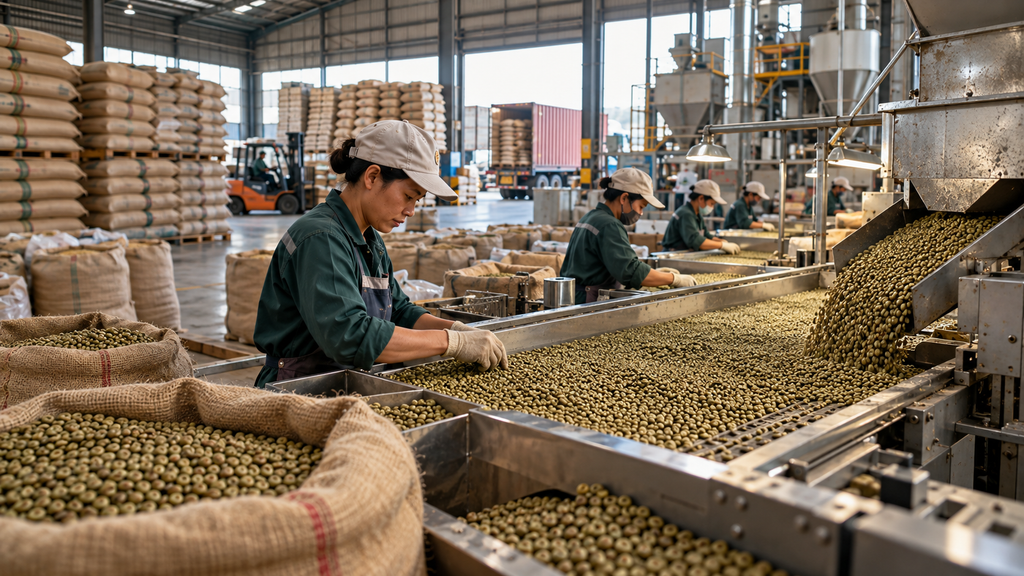
The global coffee market is experiencing adjustments as production prospects improve across major growing regions.
After periods of tight supply and elevated international prices, recovering production could increase availability and intensify competition among exporting countries.
Vietnam remains particularly influential in the Robusta segment, which plays an essential role in instant coffee manufacturing, commercial coffee blends, and mass-market consumption.
However, stronger global supply may limit the pricing power of exporters, particularly when buyers have greater flexibility to source coffee from competing origins.
For Vietnamese coffee businesses, this environment reinforces the importance of efficient procurement, inventory management, and long-term customer relationships.
Rather than depending exclusively on favorable commodity prices, exporters must increasingly compete through consistent quality, reliable delivery, and operational efficiency.
Processed Coffee Becomes a Key Growth Driver
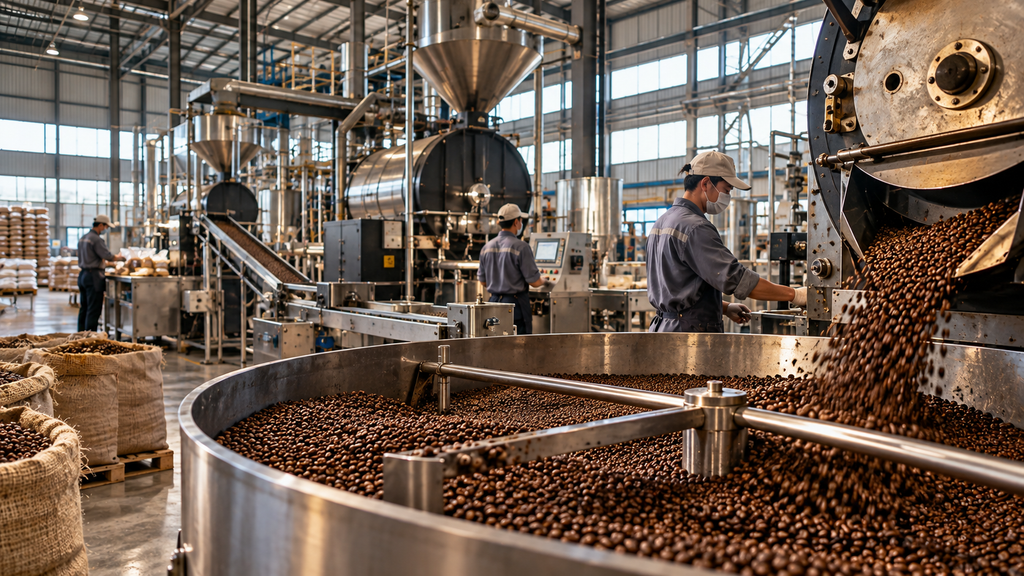
One of the most encouraging developments in Vietnam’s coffee industry is the expansion of processed coffee exports.
During the 2025–2026 crop year, processed coffee exports reportedly reached approximately 142,600 metric tons, generating USD 1.5 billion in revenue.
These figures represent increases of approximately 15% in volume and 14% in value compared with the preceding crop year.
The growth reflects Vietnam’s gradual transition from a predominantly raw material supplier toward a more diversified coffee manufacturing industry.
Roasted coffee, soluble coffee, and other processed products create opportunities for businesses to participate in higher-value segments of the international coffee supply chain.
Nevertheless, processing does not automatically guarantee higher profitability. Manufacturing requires investment in equipment, technology, energy, quality control, packaging, and distribution.
The strategic priority should therefore be to develop processing capabilities that meet international demand while maintaining sustainable production costs and commercial margins.
Moving Beyond Green Coffee Exports
Vietnam’s traditional strength lies in green coffee production and export. However, much of the downstream commercial value in the global coffee industry is generated through roasting, blending, branding, packaging, and distribution.
International coffee companies often purchase raw materials from producing countries and conduct these activities closer to their final consumer markets.
For Vietnamese enterprises, expanding into coffee manufacturing and private-label production represents an opportunity to capture additional value.
Original Equipment Manufacturing (OEM) and private-label coffee services allow manufacturers to develop products according to the specifications of international distributors, retailers, and beverage brands.
These services may include customized roasting profiles, coffee blends, packaging solutions, and export-ready finished products.
By strengthening these capabilities, Vietnamese manufacturers can move beyond commodity-based relationships and establish deeper commercial partnerships with international buyers.
However, successful expansion requires more than production capacity. Companies must demonstrate consistent product quality, competitive pricing, reliable delivery schedules, and the ability to meet diverse market requirements.
Quality and Traceability Are Becoming Essential Competitive Factors
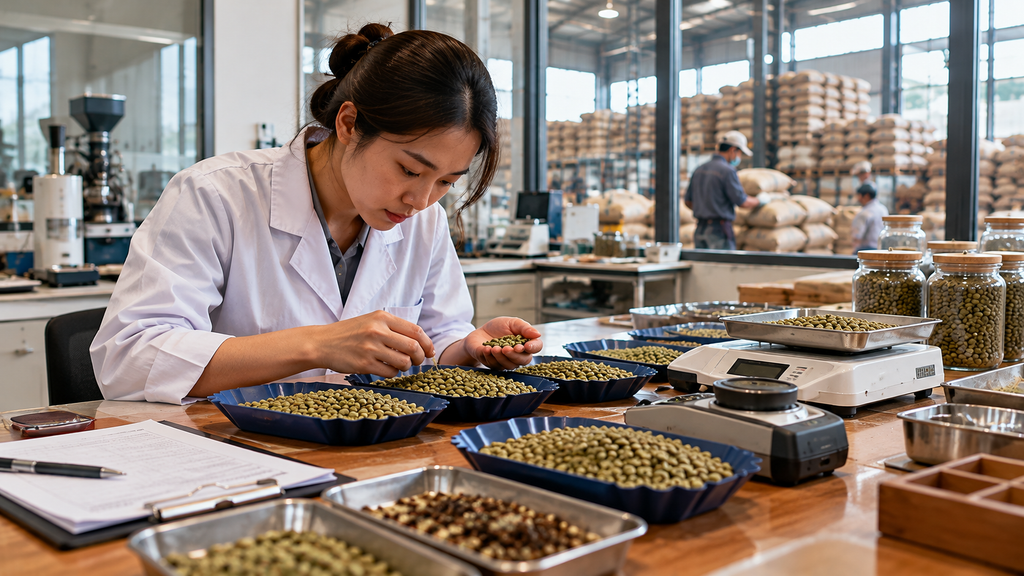
International coffee trade is increasingly influenced by requirements related to product quality, supply chain transparency, and environmental responsibility.
Buyers are placing greater emphasis on traceability, sourcing practices, and compliance with applicable import regulations.
The European Union’s Deforestation Regulation (EUDR) is an important example of the changing regulatory environment facing coffee exporters.
For Vietnamese businesses supplying the European market, compliance preparation may involve strengthening farm-level traceability, geographic information systems, supplier documentation, and internal verification procedures.
These requirements create challenges for an industry characterized by numerous smallholder farmers and complex procurement networks.
At the same time, they offer opportunities for businesses capable of developing transparent and reliable supply chains.
Companies that invest in traceability, standardized processing, and quality assurance may strengthen their competitiveness among international buyers seeking dependable long-term suppliers.
Quality consistency is particularly important in B2B coffee markets, where buyers evaluate suppliers based not only on price but also on moisture content, grading, product specifications, shipment reliability, and contractual performance.
Building Stronger International Market Access
Processing capacity alone is insufficient to establish sustainable global competitiveness.
Vietnamese coffee businesses must also strengthen their understanding of international consumption trends, customer requirements, and distribution channels.
Different markets have distinct preferences regarding coffee varieties, roasting profiles, packaging formats, and product positioning.
For example, commercial buyers may prioritize competitive pricing and consistent supply, while specialty and premium segments place greater emphasis on quality differentiation, origin transparency, and product identity.
Understanding these differences allows manufacturers to develop products that better match market demand.
Private-label manufacturing can provide an effective entry point into international markets by allowing Vietnamese producers to supply established brands and distributors.
Meanwhile, developing proprietary coffee brands may offer greater long-term control over pricing and customer relationships, although it also requires substantial investment in marketing and distribution.
A balanced strategy combining green coffee exports, processed coffee manufacturing, and selective brand development could help Vietnamese businesses diversify revenue sources and reduce dependence on commodity price movements.
Vietnam Coffee Market Outlook for 2027 and Beyond
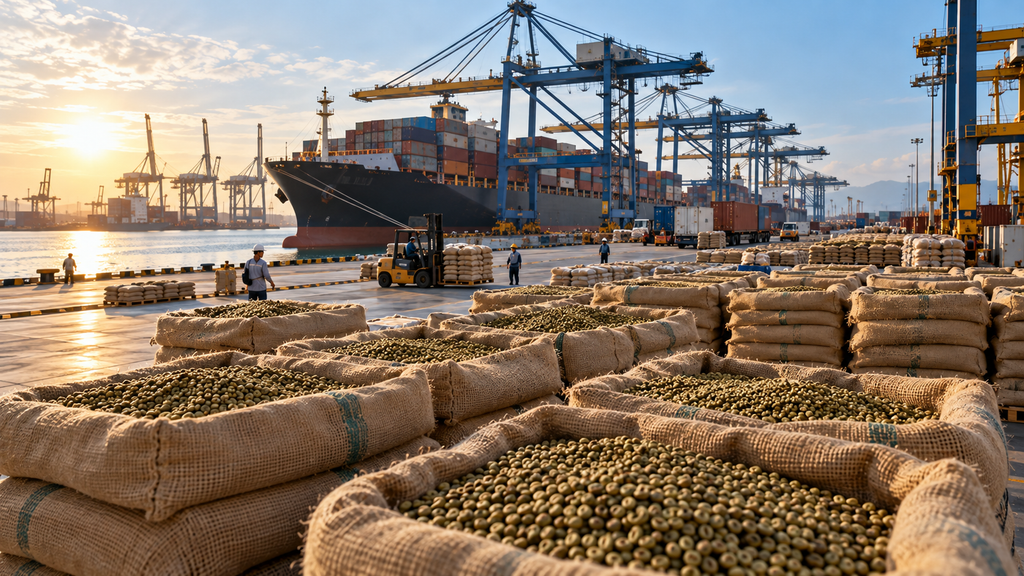
Looking ahead, Vietnam’s coffee industry is expected to face both opportunities and structural challenges.
The country’s established Robusta production base and growing processing capabilities provide a strong foundation for continued participation in global coffee trade.
However, several factors could influence future performance, including global production recovery, commodity price volatility, climate conditions, agricultural costs, and changing international trade requirements.
In the near term, improving global supply may create pressure on green coffee prices, making operational efficiency and risk management increasingly important.
Over the longer term, Vietnam’s competitiveness will depend on the industry’s ability to improve productivity, expand commercially viable processing operations, strengthen traceability, and develop more direct relationships with international customers.
The expansion of processed coffee exports is a positive indicator, but sustainable growth will require coordinated investment across agriculture, manufacturing, logistics, and international marketing.
Businesses that successfully integrate these capabilities may be better positioned to compete in higher-value segments while maintaining Vietnam’s traditional strength in green coffee exports.
Conclusion: The Future of Vietnamese Coffee Lies in Value Creation
Vietnam has already secured a significant position in the global coffee industry through its production scale and export capabilities.
The next stage of development will require a broader definition of competitiveness.
Rather than focusing exclusively on export volume, the industry must prioritize product quality, processing efficiency, supply chain transparency, and the ability to meet increasingly sophisticated international demand.
Green coffee exports will remain an essential component of Vietnam’s coffee economy. However, processed coffee, contract manufacturing, and stronger market access offer important opportunities for long-term diversification.
Ultimately, Vietnam’s future position in the international coffee market will depend not only on how much coffee it produces, but also on how effectively its businesses create, deliver, and retain value throughout the global coffee supply chain.