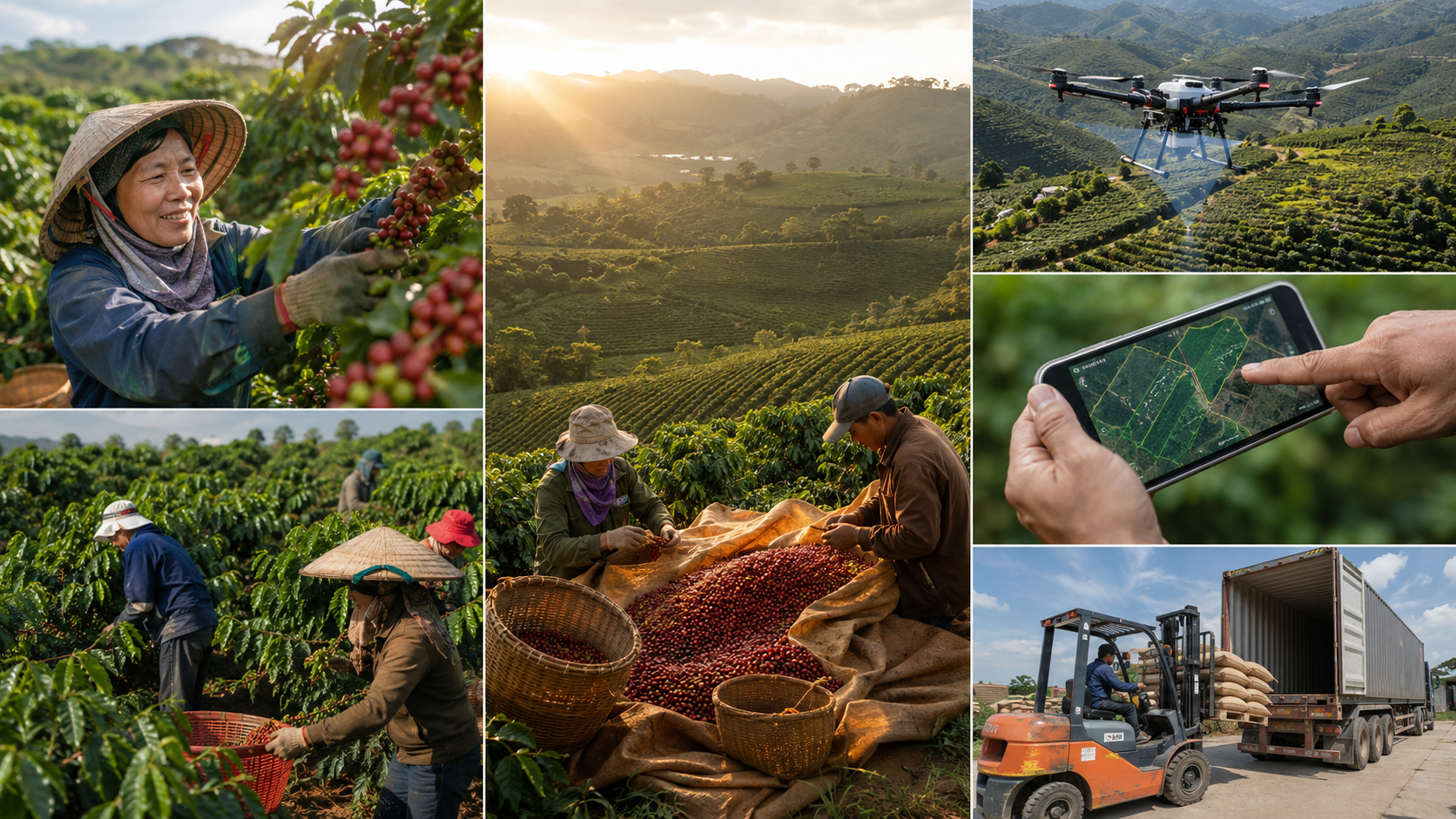
Vietnam’s coffee industry is stepping up efforts to comply with the European Union Deforestation Regulation (EUDR), as exporters, government agencies, and industry stakeholders work together to safeguard access to one of the country’s most valuable export markets.
The European Union remains Vietnam’s largest coffee destination, accounting for roughly 40% of the country’s coffee exports. As the new regulation introduces stricter traceability and sustainability requirements, compliance has become a strategic priority rather than simply a legal obligation.
EUDR Raises the Bar for Global Coffee Trade
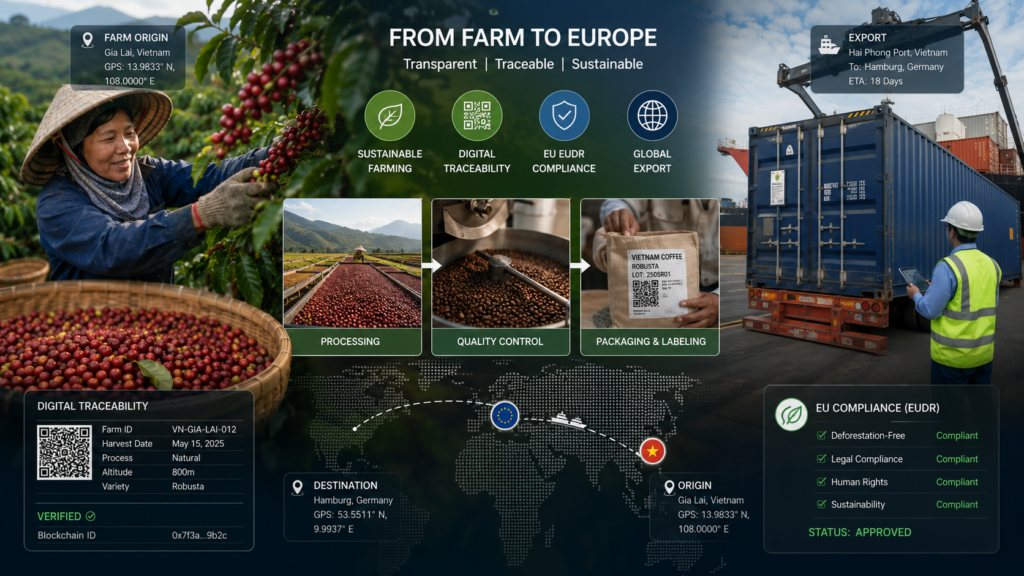
The EUDR requires coffee imported into the European Union to be proven free from deforestation after December 31, 2020. Companies must demonstrate full supply-chain transparency, including farm-level geolocation, legal production records, and due diligence documentation before products can enter the EU market.
For Vietnam, the world’s second-largest coffee exporter and the leading supplier of Robusta coffee, these requirements represent one of the most significant transformations the industry has faced in decades.
Rather than viewing the regulation solely as a compliance challenge, many industry experts see it as an opportunity to upgrade production standards, strengthen traceability systems, and improve Vietnam’s position in the premium coffee market.
Government and Industry Coordinate National Response
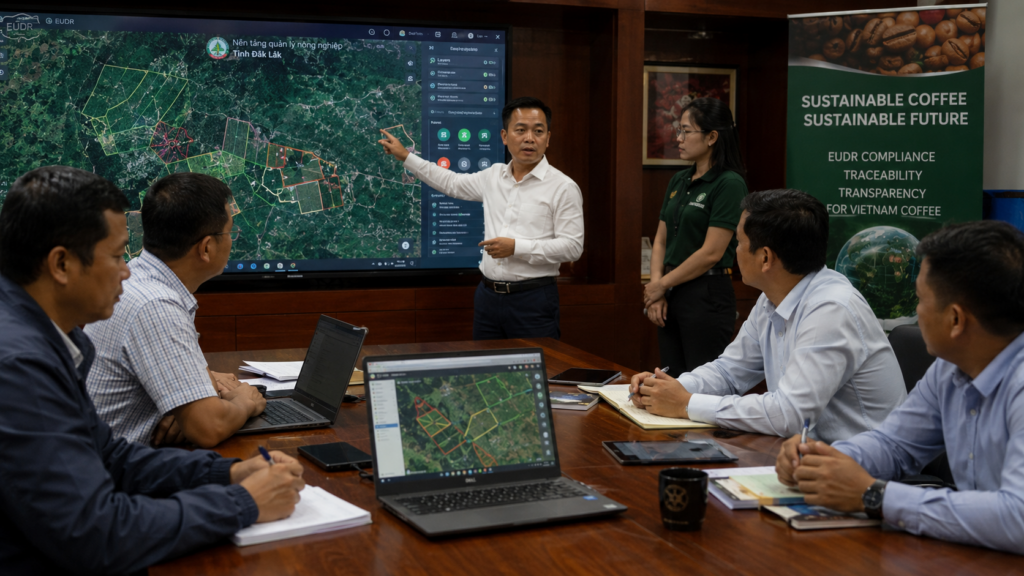
Vietnam has introduced multiple initiatives to support producers and exporters in preparing for the new regulatory framework. Authorities have been working with coffee-growing provinces to develop farm databases, improve digital traceability, and establish systems capable of verifying production origins.
Industry organizations, exporters, and international partners are also expanding training programs to help farmers understand EUDR requirements, collect geolocation data, and adopt more sustainable farming practices.
These collaborative efforts are particularly important because Vietnam’s coffee supply chain consists largely of smallholder farmers, many of whom require technical assistance to meet increasingly sophisticated documentation standards.
Traceability Becomes a Competitive Advantage
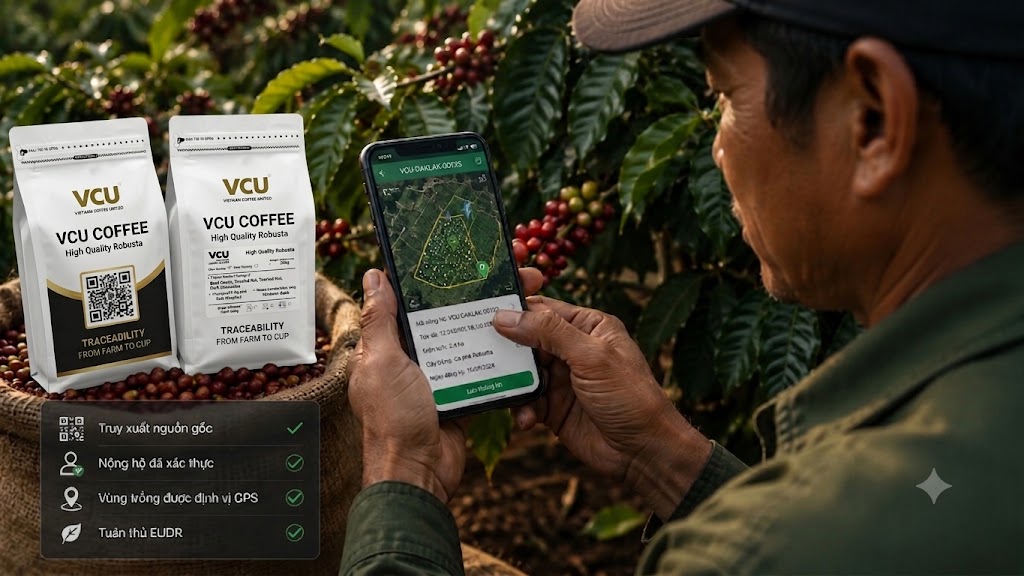
Coffee buyers in Europe are placing greater emphasis on transparent sourcing and verified sustainability. As a result, digital traceability is rapidly becoming a key differentiator for exporters seeking long-term relationships with international customers.
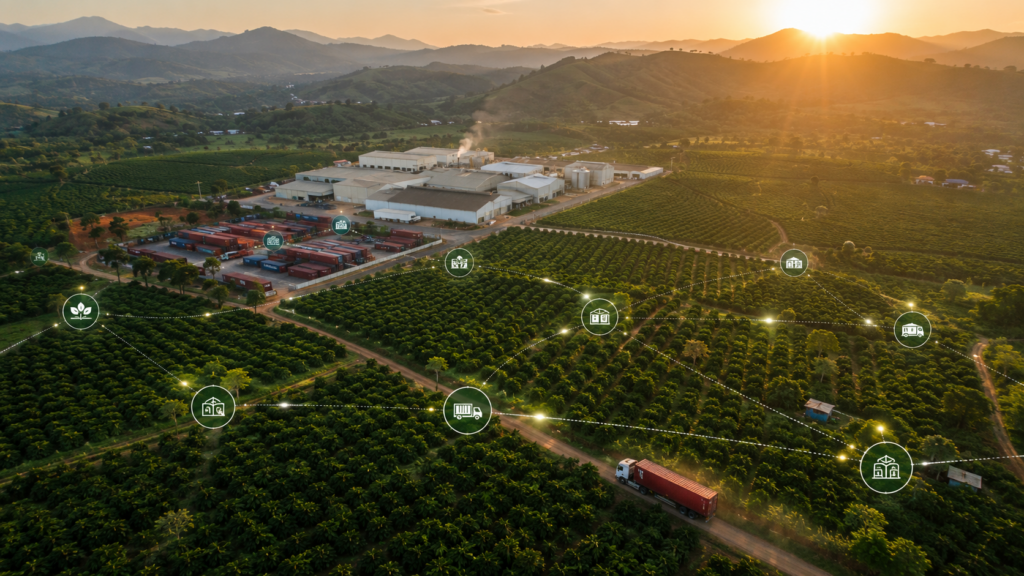
Exporters are investing in technologies that allow coffee to be traced from individual farms through processing facilities and export channels. This level of transparency not only supports regulatory compliance but also increases buyer confidence and strengthens brand reputation in premium markets.
Challenges Remain for Smallholder Farmers
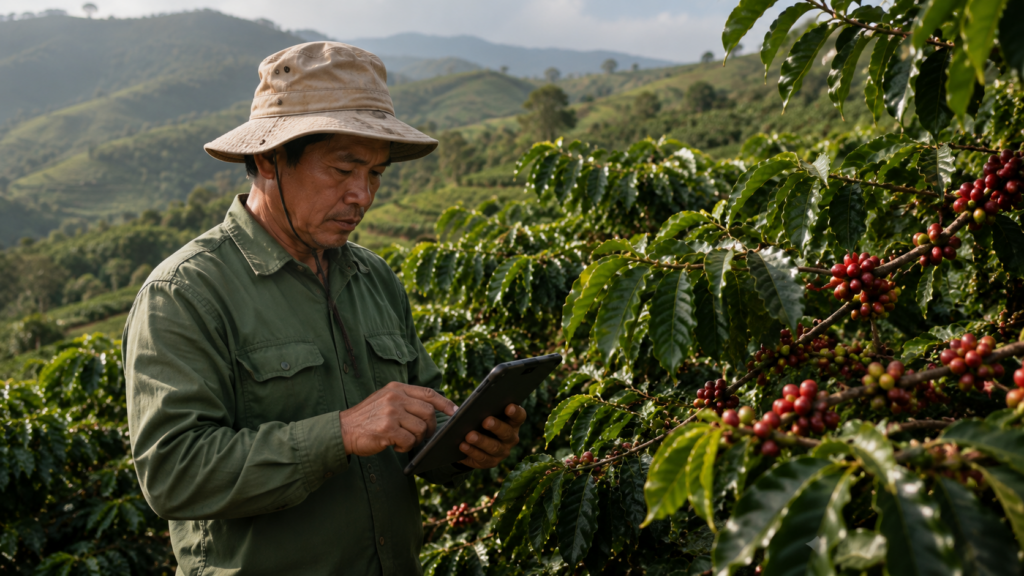
Despite encouraging progress, significant challenges remain across Vietnam’s coffee sector.
Many small-scale farmers still need support in mapping farm boundaries, recording production data, maintaining legal land documentation, and adopting digital management systems. The fragmented nature of coffee production also makes it more difficult to establish standardized traceability throughout the supply chain.
Industry specialists note that continued investment in farmer education, digital infrastructure, and public-private cooperation will be essential to ensure that smaller producers are not excluded from European markets.
Compliance Creates Long-Term Opportunities
While the transition requires substantial investment, many exporters believe EUDR compliance will strengthen Vietnam’s competitiveness over the long term.
Verified sustainable production can improve access to premium buyers, reduce supply-chain risks, and enhance Vietnam’s reputation as a reliable supplier of responsibly produced coffee. Increasing demand for transparent sourcing among international roasters is expected to reward exporters capable of demonstrating full compliance.
The gradual implementation timeline-requiring large operators to comply by the end of 2026 and smaller operators by mid-2027-also provides additional time for businesses to complete their transition.
Looking Ahead
Vietnam’s coffee industry is entering a new phase where sustainability, transparency, and digital traceability are becoming as important as production volume.
Although adapting to the EUDR presents operational and financial challenges, the transition also offers an opportunity to modernize the coffee value chain and reinforce Vietnam’s position as one of the world’s leading coffee exporters.
As global buyers increasingly prioritize sustainable sourcing, successful compliance with the EUDR could become a key competitive advantage for Vietnam’s coffee sector in the years ahead.