Vietnam and China Strengthen Cooperation to Build a Higher-Value Coffee Ecosystem
Vietnam’s coffee industry is entering a new phase of international expansion as enterprises from Vietnam and China move beyond traditional trading activities toward building an integrated cross-border coffee supply chain.
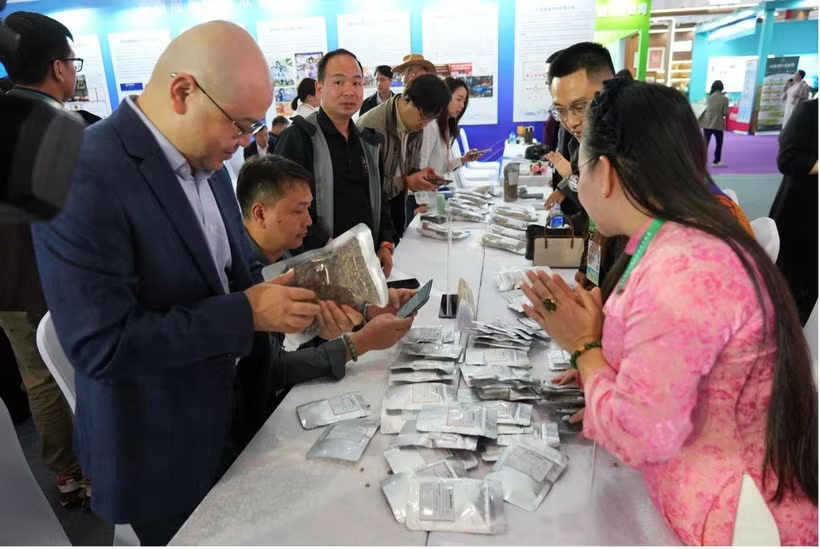
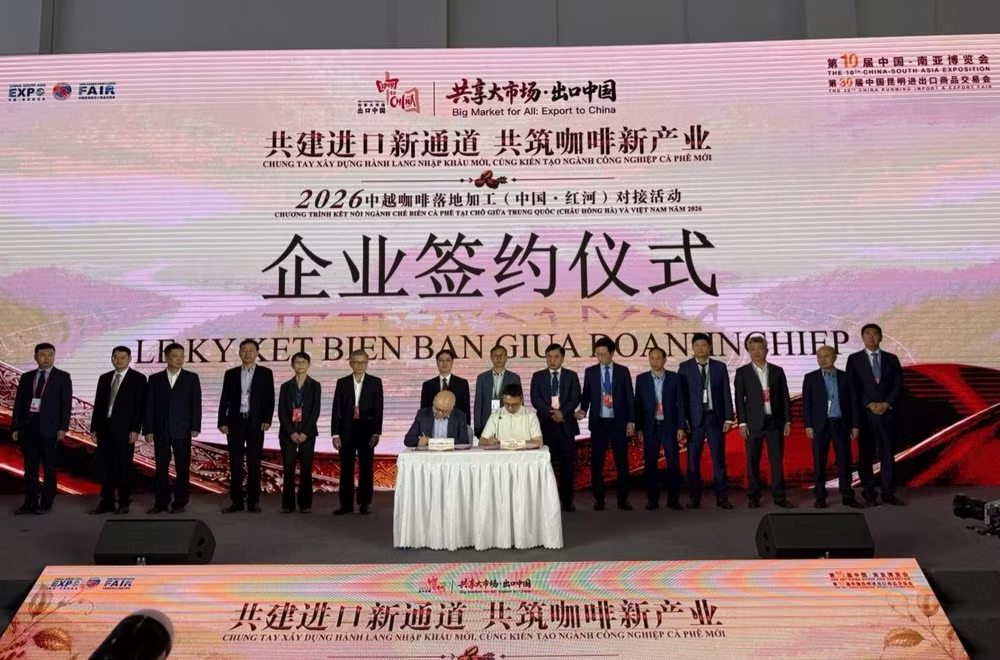
Recent business matching activities between coffee companies from both countries highlighted a shared ambition: transforming coffee cooperation from raw material exchange into a more connected ecosystem covering sourcing, processing, logistics, branding, and market development.
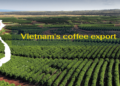
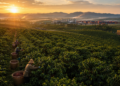
For Vietnam – already recognized as the world’s leading Robusta exporter – this shift represents an opportunity to capture greater value across the global coffee market.
From Coffee Exports to Cross-Border Value Creation
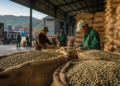
For years, Vietnam’s coffee sector has been associated primarily with green coffee exports. However, changing consumer preferences and stronger regional integration are accelerating demand for roasted, instant, specialty, and premium coffee products.
China’s rapidly expanding coffee consumption creates an important growth channel for Vietnamese businesses.
Instead of focusing solely on volume, the emerging model emphasizes:
- Cross-border sourcing and logistics optimization
- Expansion of coffee processing capacity near production regions
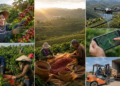
- Technology and manufacturing cooperation
- Development of premium and value-added coffee products
- Faster market access through trade facilitation and improved customs connectivity
This transition could strengthen resilience across the regional coffee supply network while improving profitability for producers and exporters.

Why China Matters for Vietnam’s Coffee Industry
China has evolved into one of Asia’s most dynamic coffee consumption markets.
Urban consumers are increasingly shifting toward higher-quality coffee experiences, including roasted blends, instant coffee innovation, and specialty offerings.
Vietnam enters this opportunity with several competitive advantages:
- Stable coffee production capacity
- Strong Robusta expertise
- Competitive export infrastructure
- Growing investment in deep processing and finished products
As logistics and trade connectivity improve, Vietnamese coffee brands may gain stronger positioning across western and southern China.
Building a Sustainable Coffee Supply Chain
Industry stakeholders also emphasized that future growth should not rely on scale alone.
Long-term competitiveness will depend on:
- Supply chain transparency
- Quality standard alignment
- Green manufacturing practices
- Traceability systems
- Sustainable sourcing and production
As coffee buyers become more selective, collaboration across borders may help create a more efficient and sustainable regional value chain.
Outlook: A Strategic Opportunity for Vietnam Coffee
The next stage of Vietnam’s coffee story is unlikely to be defined only by export volumes.
By connecting production strength with processing capabilities, logistics innovation, and access to one of Asia’s fastest-growing consumer markets, Vietnam has the opportunity to reposition itself from a raw coffee supplier into a regional coffee value hub.
For businesses across cultivation, manufacturing, and export, cross-border cooperation may become one of the strongest growth drivers of the decade.