The global coffee market is heading into 2026 under mounting pressure from climate volatility, supply constraints and rising sustainability expectations. According to the International Coffee Organization (ICO), the coming year may represent a structural turning point for the industry — one that will test production resilience while redefining how coffee fits into global economic and environmental policy frameworks.
ICO Executive Director Vanúsia Nogueira has made it clear that coffee must no longer be treated simply as a commodity reacting to price cycles. Instead, the sector is increasingly positioned as part of the broader solution to climate adaptation, rural development and sustainable agricultural transformation.
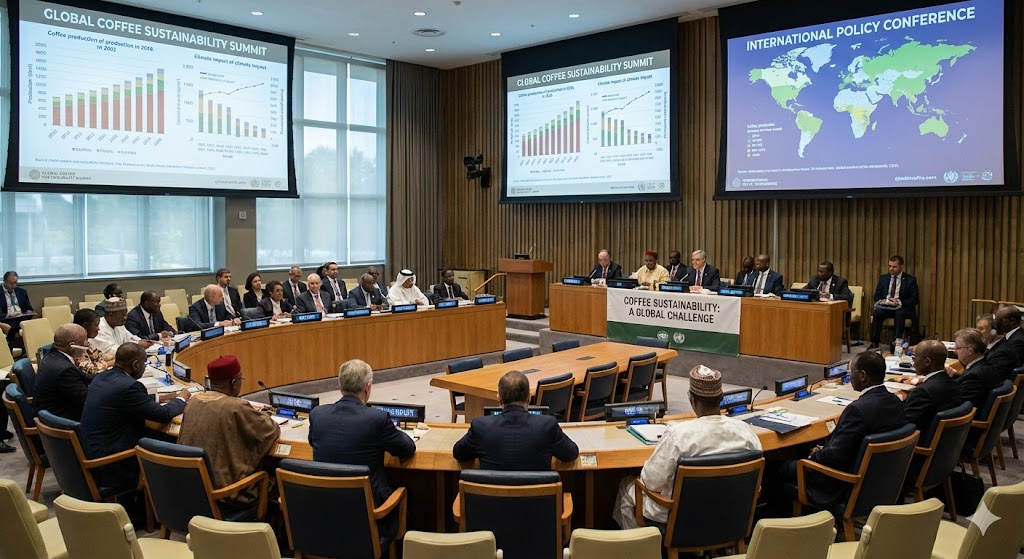
Climate Volatility Remains the Core Market Driver
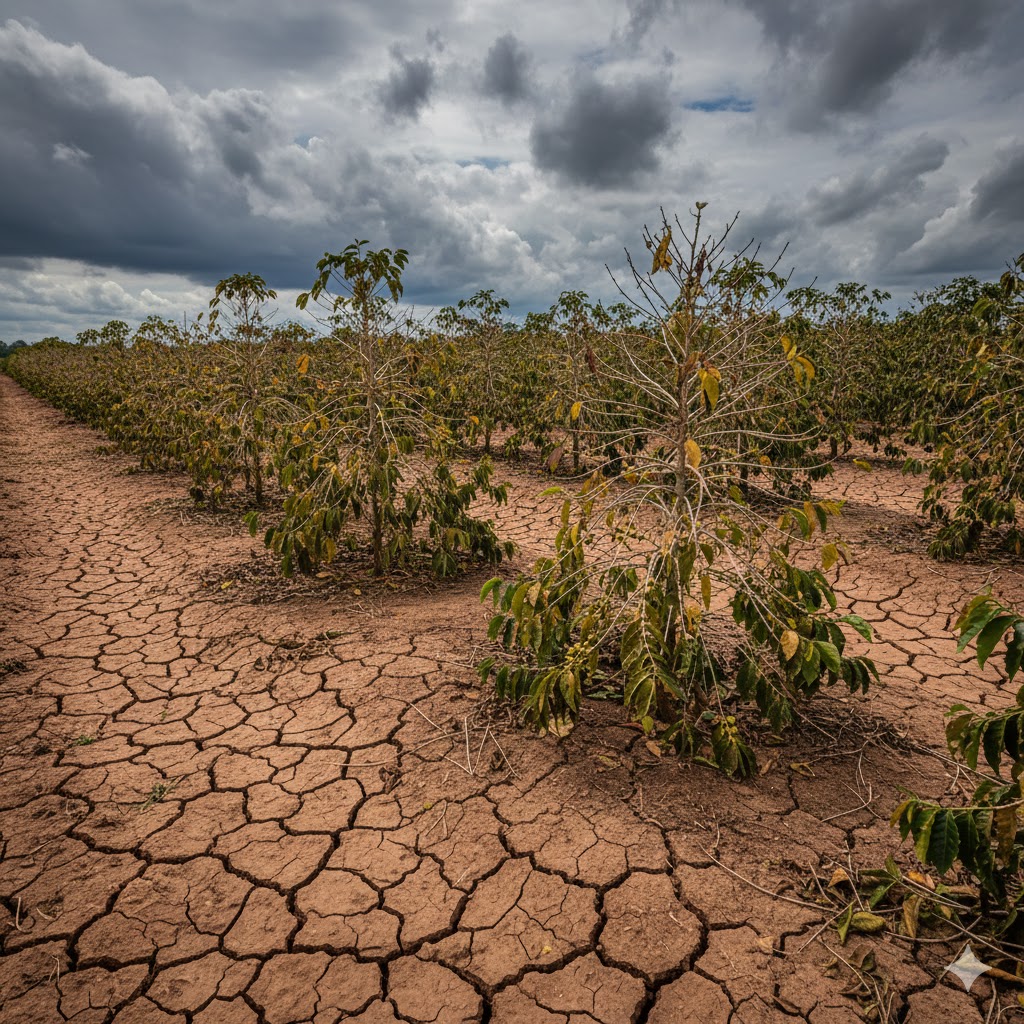
Weather instability continues to dominate global coffee fundamentals. In recent seasons, drought conditions, irregular rainfall and temperature extremes have disrupted production in several major coffee-producing regions. These disruptions have tightened global supply and supported historically elevated price levels.
Looking ahead to 2026, climate risk remains the single most important variable for market participants. Coffee trees are highly sensitive to environmental changes, and production cycles can be severely impacted by prolonged dry periods or excessive rainfall during flowering and cherry development stages.
Without substantial investment in climate-resilient farming systems, supply volatility is likely to remain a structural feature of the global market rather than a temporary anomaly.
Gradual Supply Recovery — But No Immediate Surplus
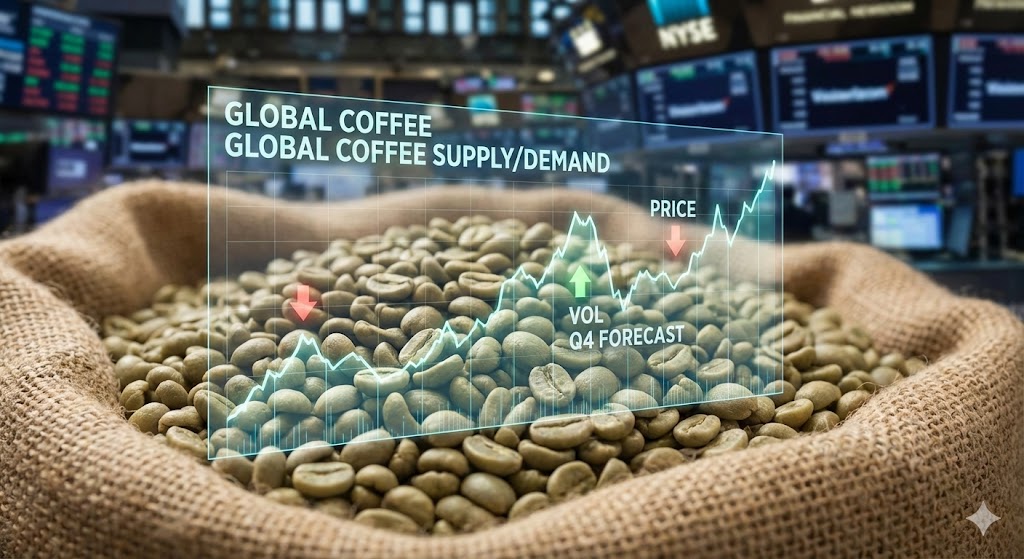
High coffee prices over the past few years have incentivized new planting and rehabilitation of aging plantations. However, coffee is a perennial crop, and production expansion requires time. Newly planted trees typically take several years before reaching full commercial output.
As a result, while additional supply may begin to enter the market in 2026, a rapid shift toward oversupply appears unlikely. Any recovery will be gradual and heavily dependent on favorable weather conditions across key producing countries.
This biological production lag means short-term tightness and price sensitivity may persist even as longer-term capacity improves.
Farmer Resilience at the Center of Stability
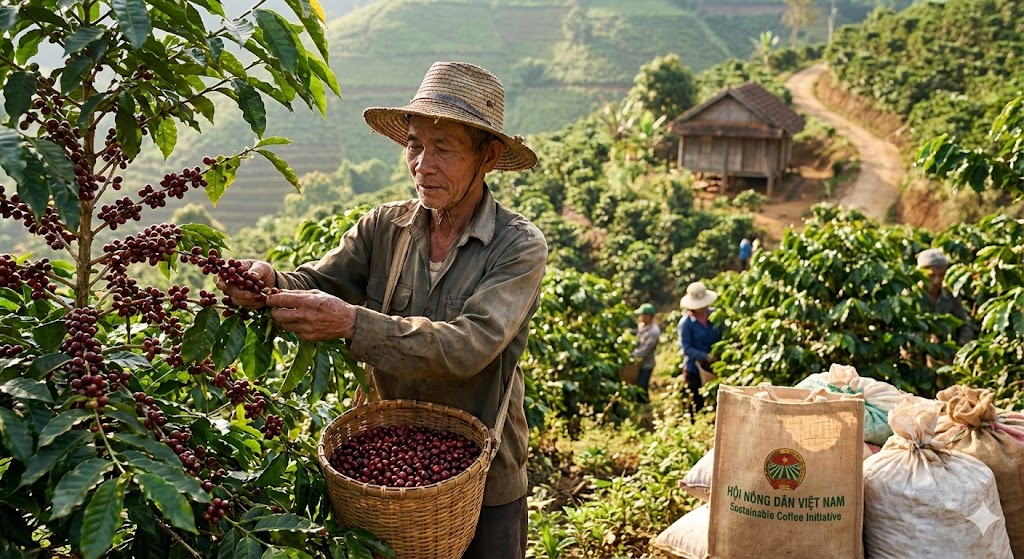
Smallholder farmers produce the majority of the world’s coffee. Yet they remain the most exposed to both climate shocks and price fluctuations. The ICO has emphasized that strengthening farmer resilience is essential for stabilizing global supply.
Improving productivity, expanding access to climate-smart agricultural techniques and enhancing income stability are all critical components of this strategy. Without viable farmer livelihoods, long-term supply sustainability cannot be guaranteed.
Investment in farm-level adaptation is therefore not just a development priority — it is a core market necessity.
Coffee’s Growing Role in Global Policy
Another defining feature of the 2026 outlook is coffee’s increasing presence in international policy discussions. The sector is gaining recognition within global frameworks addressing sustainability, food systems and climate action.
This broader visibility suggests that future coffee trade and production standards may increasingly incorporate environmental and social compliance measures. Traceability requirements, deforestation controls and sustainability benchmarks are likely to influence procurement decisions and market access conditions.
For exporters, traders and roasters, aligning operations with evolving regulatory standards will be crucial.
Sustainability Moves From Narrative to Implementation
Sustainability has long been discussed within the coffee sector, but 2026 may mark a transition from rhetoric to measurable implementation. The ICO’s strategic direction emphasizes translating commitments into concrete action.
Key priorities include promoting climate-smart agriculture, protecting biodiversity, improving soil and water management, and ensuring fair value distribution across the supply chain.
Importantly, sustainability must remain economically viable for producers. Policies and market mechanisms that raise standards without providing financial support risk undermining the very producers they aim to protect.
Structural Forces Shaping 2026
Three structural forces are expected to define the global coffee market in 2026:
First, persistent climate uncertainty will continue influencing production forecasts and price behavior.
Second, delayed supply response will limit how quickly expanded planting can rebalance the market.
Third, regulatory evolution will reshape sourcing strategies and value chain transparency requirements.
Together, these forces create a complex operating environment that demands long-term planning rather than short-term reaction.
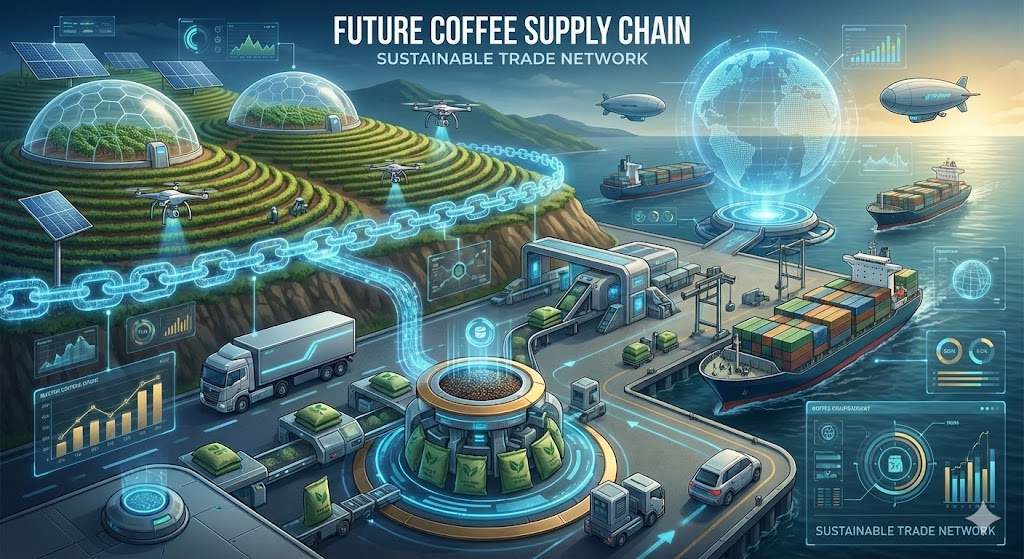
Outlook: A Sector at an Inflection Point
The coffee industry entering 2026 is neither in crisis nor in comfort. It stands at an inflection point. Elevated prices have provided incentives for reinvestment, but climate risks and structural vulnerabilities remain.
The ICO’s message is clear: the future of coffee depends on coordinated action — across governments, private sector actors and producing communities — to build a more resilient and sustainable supply system.
If investment in farmer livelihoods and climate adaptation accelerates, the market may gradually stabilize over the medium term. If not, volatility could remain embedded in the sector’s core dynamics.
For traders, exporters, roasters and investors, 2026 will not simply be another cycle year. It may define the direction of the global coffee economy for the rest of the decade.