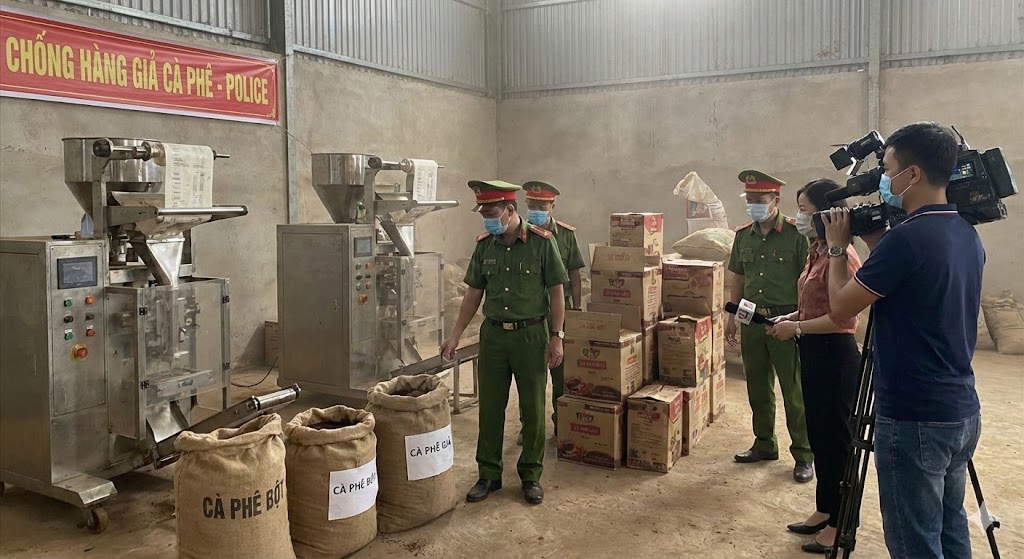
Vietnam’s coffee industry, a cornerstone of the global Robusta market, has been jolted by a major counterfeit case that is raising fresh concerns about food safety, consumer trust, and supply chain integrity. Authorities in Lam Dong province have seized more than four tonnes of fake coffee products manufactured primarily from soybeans and other non-coffee ingredients, according to official statements. The discovery comes at a sensitive time for the coffee market, as prices remain elevated and margins across the value chain are under pressure.
The case highlights how price volatility and tightening supplies can create incentives for fraud, particularly in fragmented domestic markets where small-scale processors and informal distribution channels remain active.
A Sophisticated Counterfeit Operation
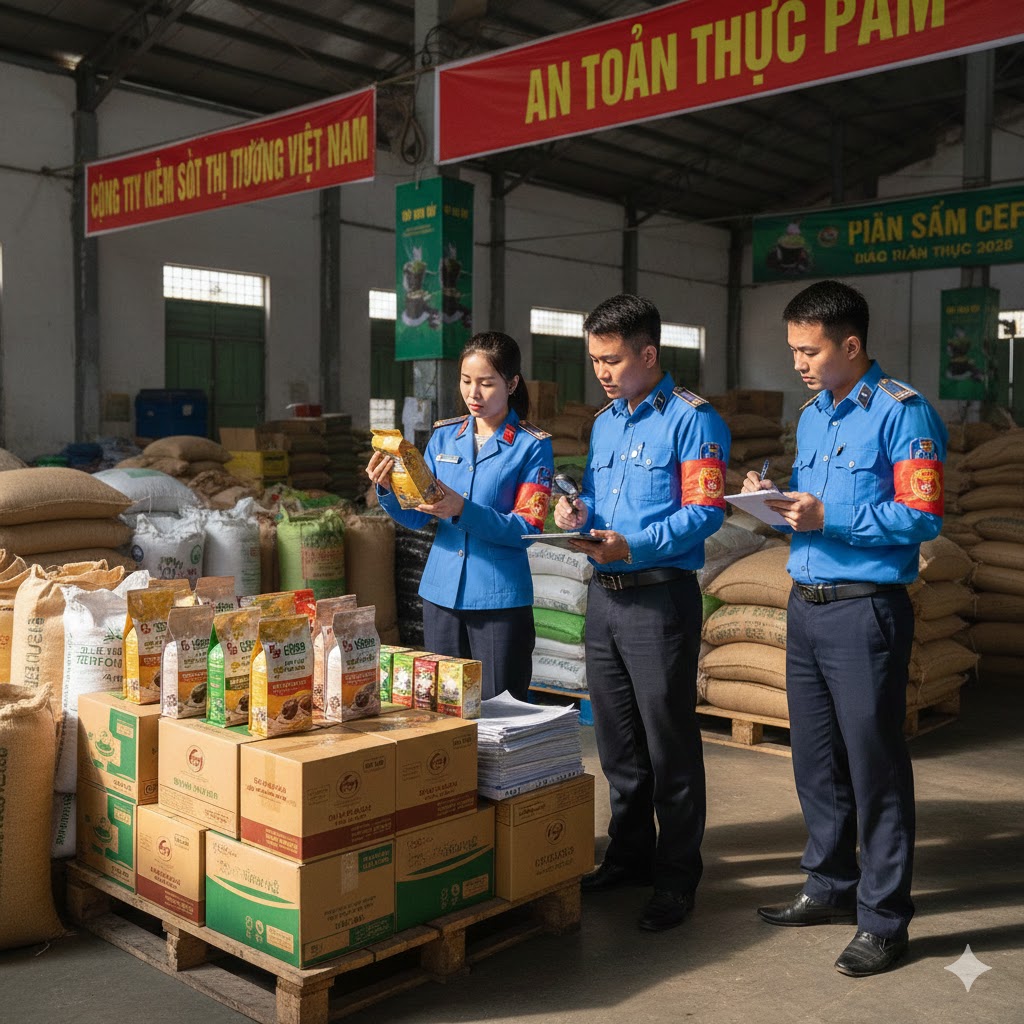
The investigation began with a routine traffic inspection. Police stopped a truck carrying a large quantity of ground coffee that lacked invoices or documentation proving its origin. Suspecting irregularities, authorities expanded their inquiry and traced the shipment to a warehouse in Bao Loc city, a key commercial hub in Vietnam’s Central Highlands.
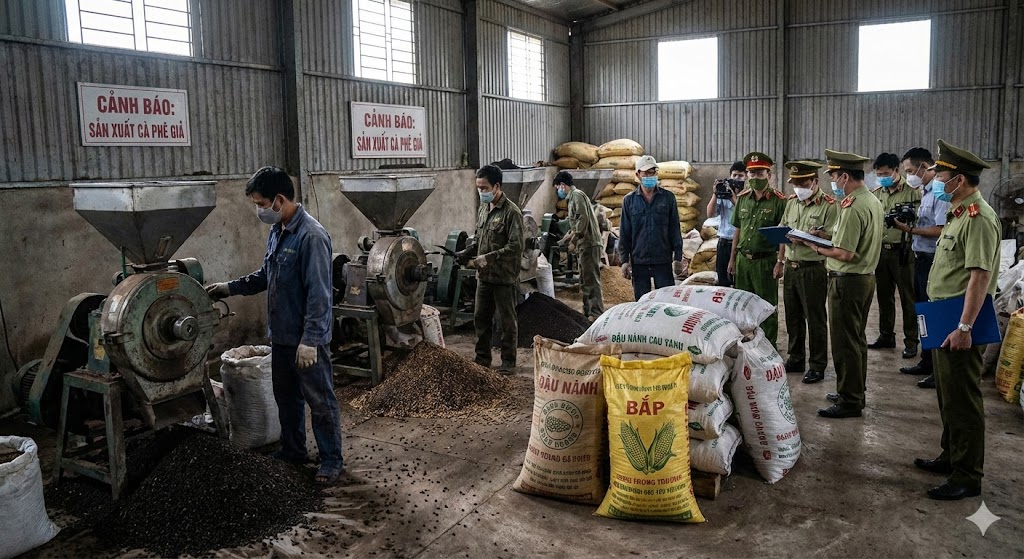
Inside the facility, police uncovered a large-scale production operation designed to imitate real coffee. More than 4.1 tonnes of finished products were seized, along with roughly three tonnes of raw materials. These materials included soybeans and other low-cost agricultural inputs, as well as industrial grinders, roasting equipment, packaging machines, and artificial flavorings intended to replicate the aroma and appearance of genuine coffee.
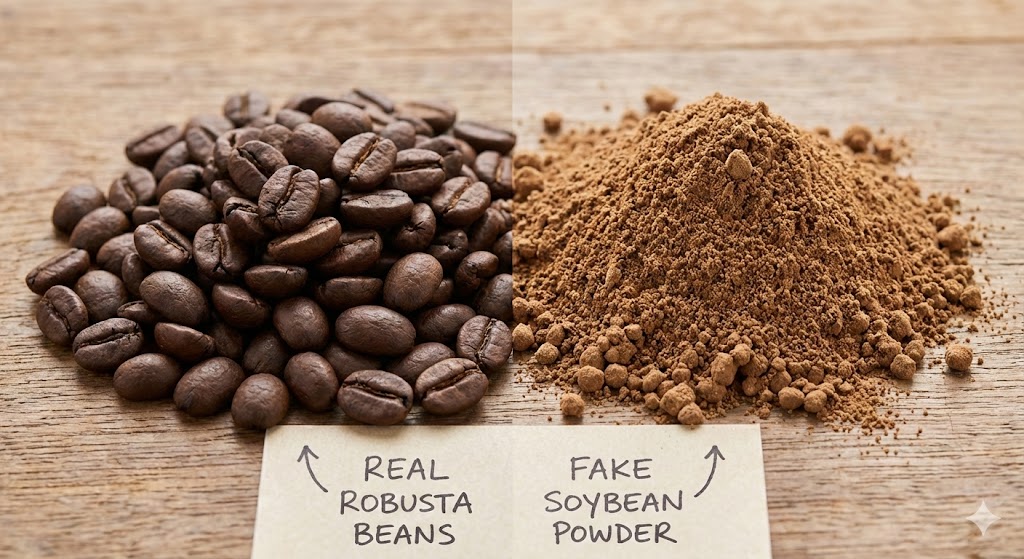
The warehouse operator admitted that roasted soybeans and other substitutes were blended with flavoring agents before being packaged and sold as ground coffee to local markets. The products were visually convincing and difficult for ordinary consumers to distinguish from real coffee without laboratory testing.
Price Pressures and Market Incentives
Vietnam’s domestic coffee prices have surged to historically high levels, reflecting a combination of weather-related supply constraints, strong export demand, and broader volatility in global agricultural markets. Robusta prices in particular have been supported by limited availability from major producing origins.
In contrast, soybeans and corn remain significantly cheaper. This wide price differential creates an economic incentive for unscrupulous operators to dilute or replace coffee with lower-cost materials while maintaining attractive margins. Industry participants warn that as long as coffee prices remain high, the risk of similar cases may persist unless enforcement and deterrence are strengthened.
Market analysts note that such practices not only harm consumers but also distort price signals within the domestic market, making it harder for legitimate producers and roasters to compete fairly.
Risks to Consumers and Public Health
Beyond financial fraud, counterfeit coffee presents potential health risks. Products produced outside regulated food safety systems may contain unapproved additives, excessive flavoring agents, or contaminants. Consumers typically have no way of knowing what ingredients are actually present, particularly when labeling is misleading or incomplete.
Food safety experts stress that while soybeans themselves are widely consumed, the issue lies in the lack of transparency, quality control, and regulatory oversight. Allergens, chemical residues, or industrial-grade additives may pose risks, especially when products are consumed regularly.
The case has reignited public debate in Vietnam about food fraud and the need for stricter controls over processed food products sold in traditional markets and small retail outlets.
Implications for Vietnam’s Coffee Reputation
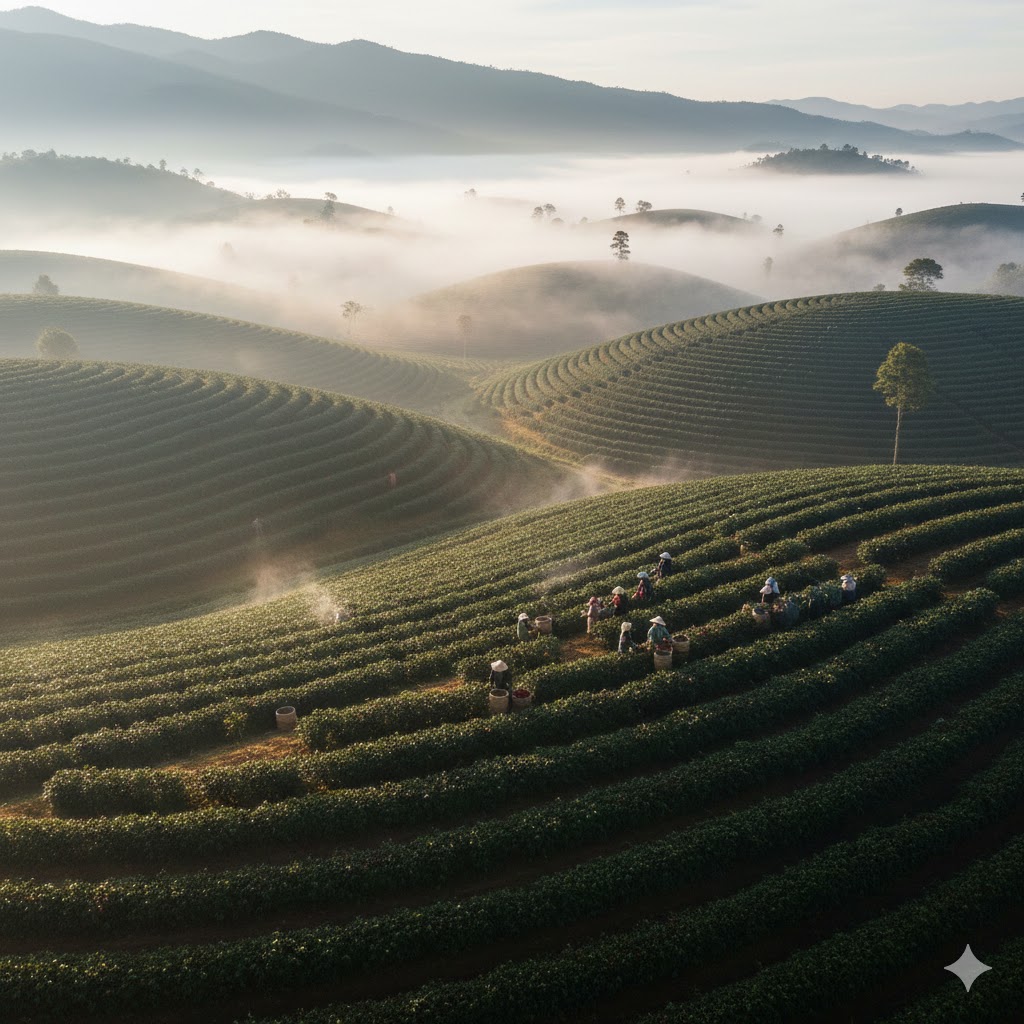
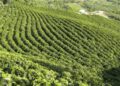
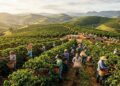
Vietnam is the world’s largest producer and exporter of Robusta coffee, accounting for more than 40% of global supply. The Central Highlands, including Lam Dong, Dak Lak, and Gia Lai provinces, form the heart of this industry, supporting millions of farmers and workers.
While the seized products were primarily destined for domestic consumption, industry representatives caution that repeated incidents of counterfeit coffee could damage Vietnam’s broader reputation if not addressed decisively. International buyers are increasingly focused on traceability, sustainability, and quality assurance, and any perception of weak enforcement could lead to tighter inspections and higher compliance costs for exporters.
“This is not just a local issue,” said one regional trader. “It affects how buyers perceive the entire origin, even when the vast majority of producers operate responsibly.”
Authorities Step Up Enforcement
Vietnamese authorities have confirmed that the case is under criminal investigation, with economic police units working alongside market surveillance teams to identify distribution networks and downstream sellers. Additional inspections are being conducted at other processing facilities in the region to ensure compliance with food safety and labeling regulations.
Penalties for those involved could include criminal prosecution, heavy fines, confiscation of assets, and permanent closure of production sites. Officials have signaled that the case will be treated as a warning to others engaged in similar practices.
The crackdown aligns with broader government efforts to improve food safety standards, protect consumers, and safeguard the integrity of key export industries.
A Recurring Challenge in the Coffee Sector
This is not the first time Vietnam’s coffee industry has faced issues related to adulteration and counterfeit products. Past cases have involved the use of chemical dyes, unsafe additives, and other deceptive practices aimed at reducing costs while mimicking the look and taste of coffee.
Each incident has underscored structural challenges within the domestic market, including fragmented supply chains, limited oversight of small-scale processors, and uneven consumer awareness. Experts argue that long-term solutions will require stronger traceability systems, clearer origin labeling, and greater coordination between regulators, industry associations, and legitimate businesses.
Digital tracking tools, certification programs, and public education campaigns are increasingly seen as essential components of a more transparent and resilient coffee sector.
What Consumers and Buyers Can Do
Industry specialists advise consumers to purchase coffee from reputable roasters and brands with clear labeling and quality certifications. Products priced far below prevailing market levels should be treated with caution, particularly when origin information is vague or missing.
For domestic and international buyers, enhanced due diligence remains critical. Supplier audits, traceability requirements, and regular quality testing can help reduce exposure to fraud and protect brand reputation.
Conclusion
The seizure of tonnes of fake coffee products made from soybeans in Lam Dong province is a stark reminder of the vulnerabilities that can emerge when agricultural markets face sustained price pressure. While the case represents a relatively small share of Vietnam’s overall coffee output, its implications extend far beyond the immediate seizure.
As Vietnam seeks to maintain its position as a leading force in the global coffee market, the industry’s success will depend not only on volume and competitiveness, but on trust, transparency, and rigorous enforcement. In an increasingly quality-driven market, safeguarding the integrity of coffee is no longer optional—it is fundamental to long-term sustainability.