Vietnam coffee prices remain elevated
Vietnam’s coffee market is entering a critical phase as domestic prices continue to trade near record levels, driven by tight supply conditions and cautious selling from farmers.
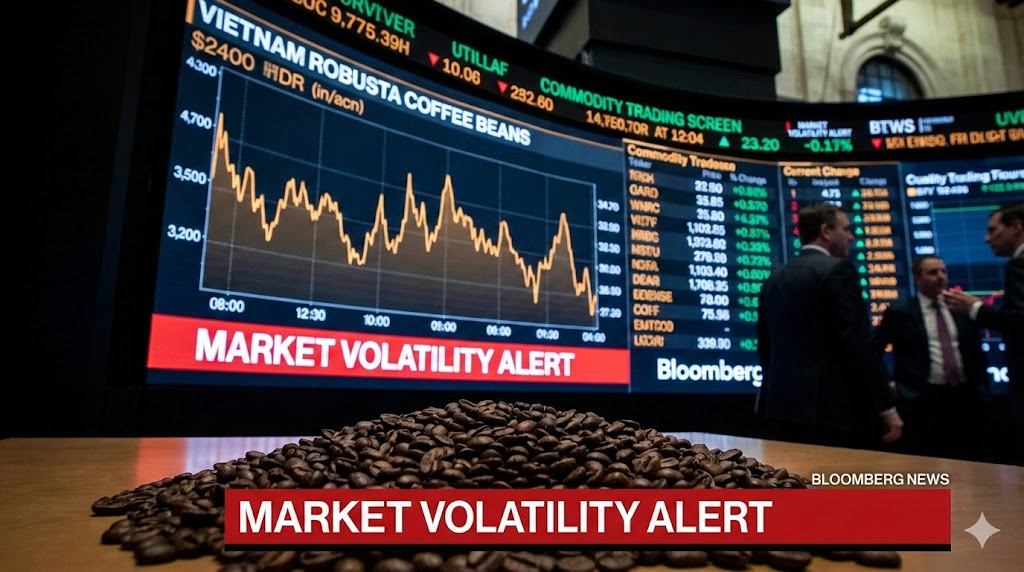
Recent market data shows domestic robusta prices in Vietnam hovering around 95,000–100,000 VND per kilogram, well above historical averages. On the global stage, ICE London robusta futures have been trading in the range of USD 3,200–3,400 per metric ton, underscoring sustained concerns over supply availability.
As the world’s largest robusta producer, Vietnam is increasingly shaping global price trends rather than merely responding to them.
Export volumes soften despite strong price environment
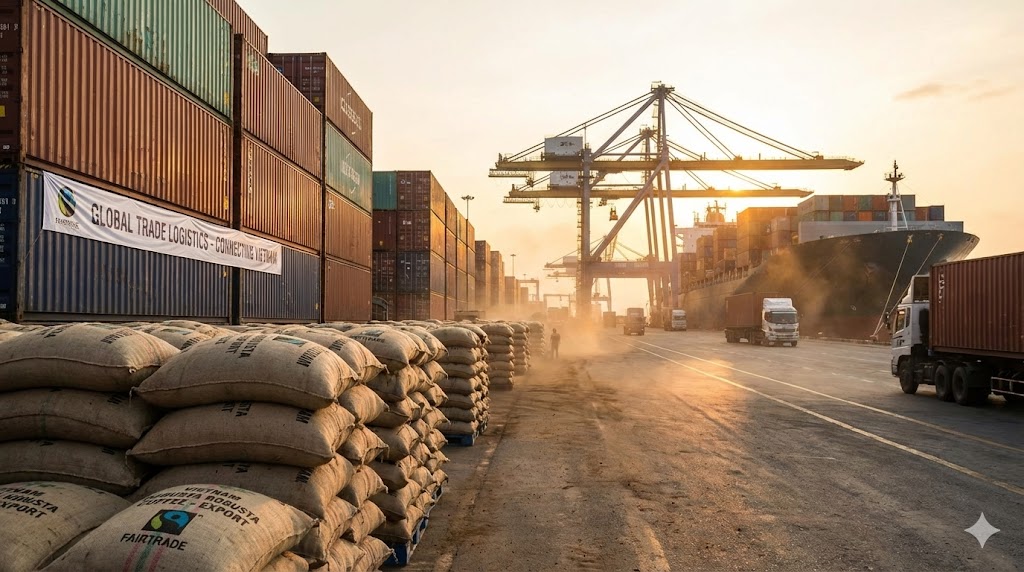
Vietnam’s coffee exports have slowed in volume terms, even as prices remain favorable. Industry estimates indicate that coffee exports reached approximately 1.3–1.4 million metric tons in the latest marketing year, lower than previous peak levels.
However, export revenues remain robust. Supported by higher prices, Vietnam’s coffee export earnings are estimated at USD 4.5–5 billion, highlighting a shift from volume-driven growth to price-driven value.
Exporters continue to face mounting challenges, including:
- Limited availability of physical coffee
- Rising financing and hedging costs
- Increased risks in forward contracts amid sharp price swings
Several exporters have scaled back short-term shipments to prioritize risk management and cash flow stability.
Supply constraints reshape domestic market dynamics
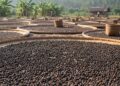
Vietnam’s coffee production has been constrained by irregular weather patterns, aging plantations, and rising input costs. With prices elevated, many farmers are choosing to hold inventories, releasing beans gradually rather than selling aggressively at harvest.
This behavior has reduced liquidity in the spot market, contributing to heightened volatility and making procurement more difficult for exporters and international buyers.
“Vietnam’s robusta supply is structurally tighter than in previous cycles. Even minor disruptions now have an outsized impact on global prices,” said a Southeast Asia–based coffee market analyst.
Global roasters focus on Vietnam’s output
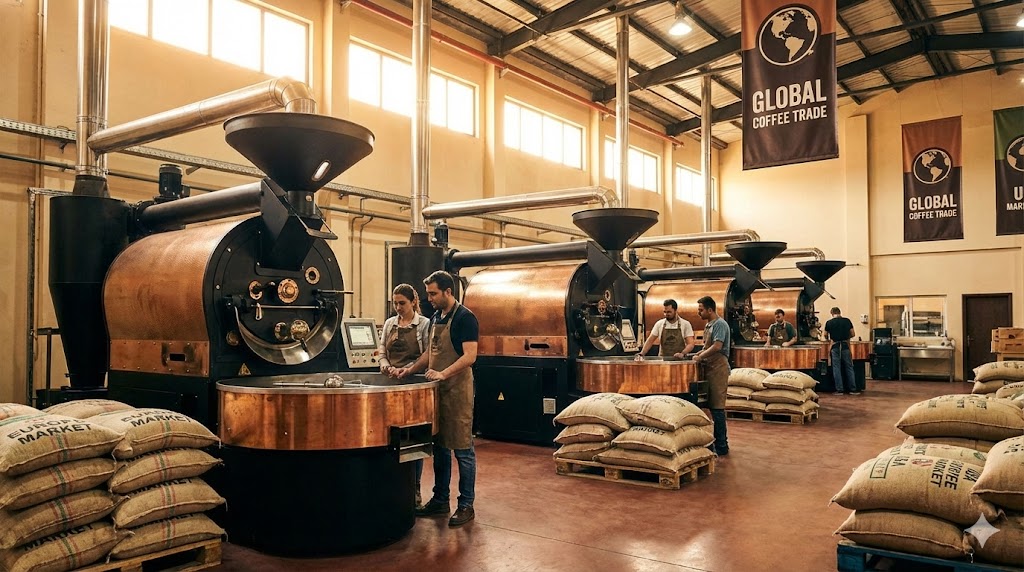
Major coffee roasters in Europe and the United States are closely monitoring Vietnam’s production outlook, as robusta plays a growing role in blends amid persistently high arabica prices.
Market participants note that buyers are increasingly:
- Extending procurement timelines
- Prioritizing certified and traceable coffee
- Diversifying sourcing strategies, although alternatives remain limited
Vietnam’s position as a cornerstone supplier makes its production outlook a key determinant for global robusta market stability.
Expert outlook: Volatility likely to persist
Analysts expect price volatility to remain elevated in the near term, with limited downside unless there is a clear recovery in supply.
“Without a meaningful rebound in Vietnam’s output, the global robusta market is likely to stay tight. Prices may fluctuate, but a sharp correction appears unlikely for now,” said a commodities strategist at a regional trading firm.
Weather developments, farmer selling behavior, and export execution will remain critical variables in the coming months.
Conclusion: Vietnam at the center of the global coffee market
Vietnam’s coffee market has become a central driver of global robusta pricing, rather than a peripheral factor. While high prices support farm incomes, exporters and global buyers face tighter margins and heightened operational risks.
👉 For traders, investors, and industry participants, developments in Vietnam’s coffee sector will continue to be a key signal for global coffee market direction in 2026.