Introduction: Vietnam at the Center of the Global Coffee Market
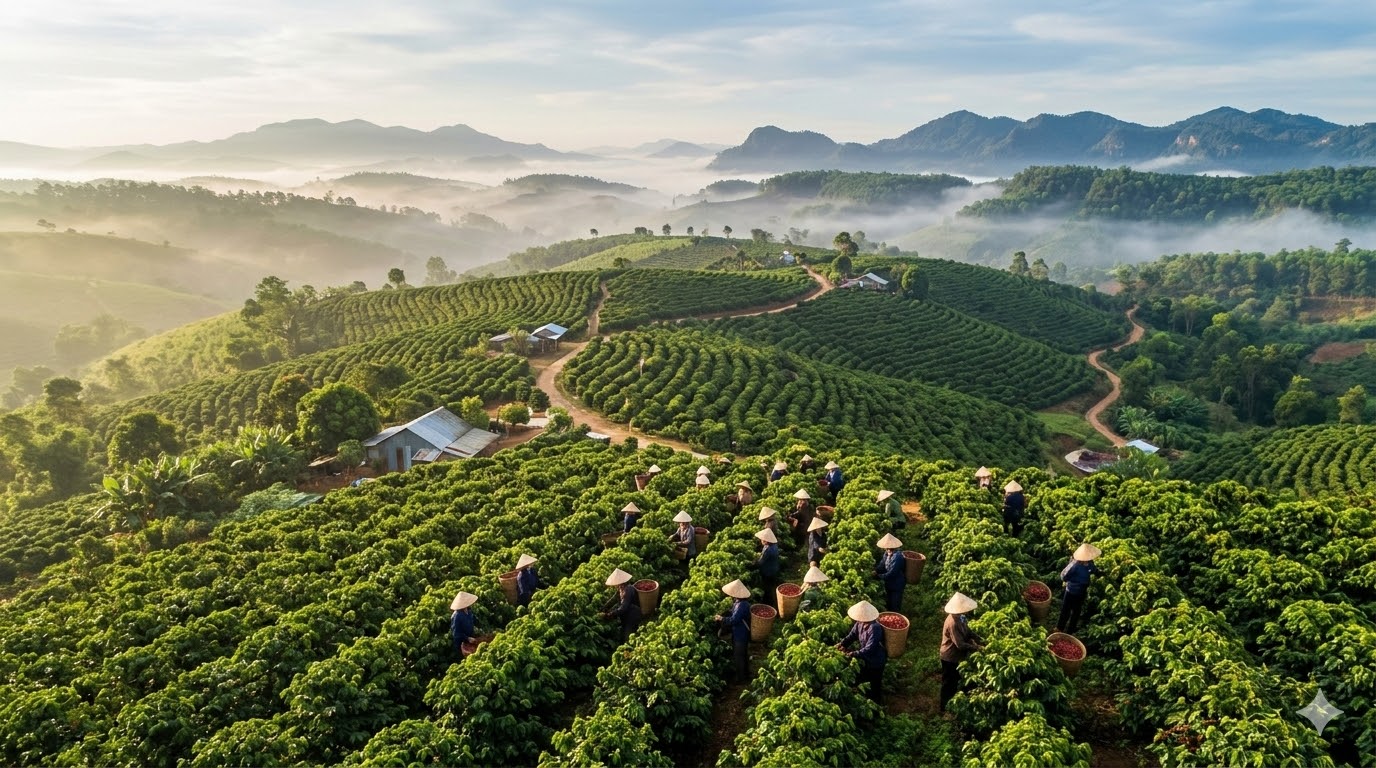
Over the past two years, the global coffee industry has entered one of its most volatile yet lucrative periods in decades. At the center of this transformation stands Vietnam — the world’s largest producer of robusta coffee and the second-largest coffee exporter globally.
Recent data shows that Vietnam’s coffee sector has reached unprecedented export values, driven by soaring global prices, tightening supply chains, and strong demand from major consuming regions such as the European Union and the United States. Yet behind the impressive numbers lies a complex market dynamic shaped by climate risks, shifting supply structures, and evolving global consumption patterns.
Understanding the current Vietnamese coffee market requires looking beyond export statistics. The real story is how Vietnam is repositioning itself from a volume-driven supplier to a strategic powerhouse in the global coffee value chain.
Record-Breaking Export Performance
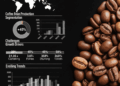
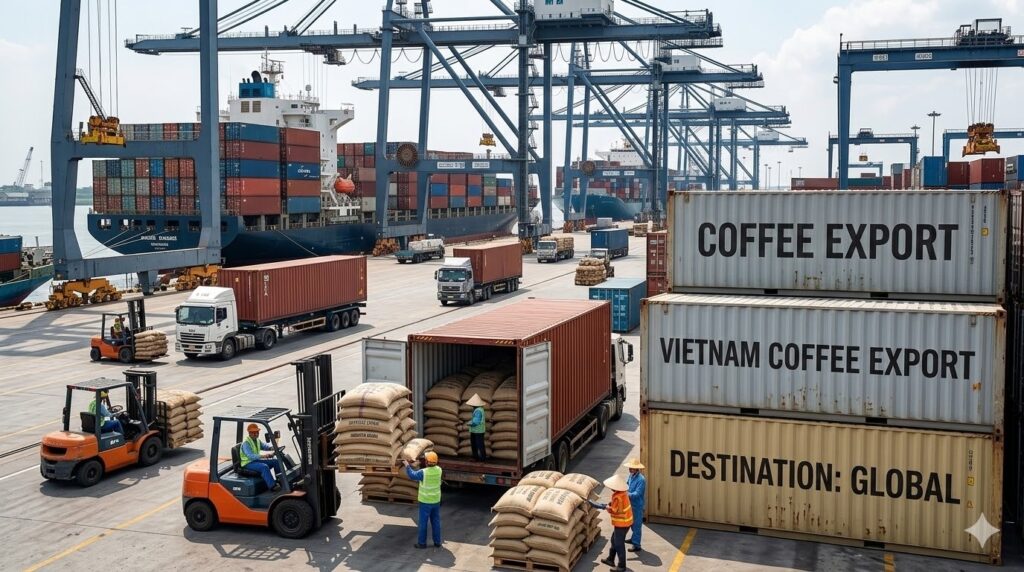
Vietnam’s coffee industry closed the 2024–2025 crop year with the strongest export performance in its history. Export revenue reached approximately US$8.4 billion, marking a dramatic increase of around 60% compared with the previous season.
This milestone reflects both strong global demand and a sharp increase in export prices. During the same period, Vietnamese coffee exports totaled more than 1.5 million tonnes, with average export prices exceeding US$5,600 per tonne, a jump of over 50% year-on-year.
Even within 2025 alone, the industry continued to break records. In the first eleven months of the year, Vietnam exported roughly 1.4 million tonnes of coffee, generating US$7.94 billion in revenue, up 60.9% in value compared with the same period a year earlier.
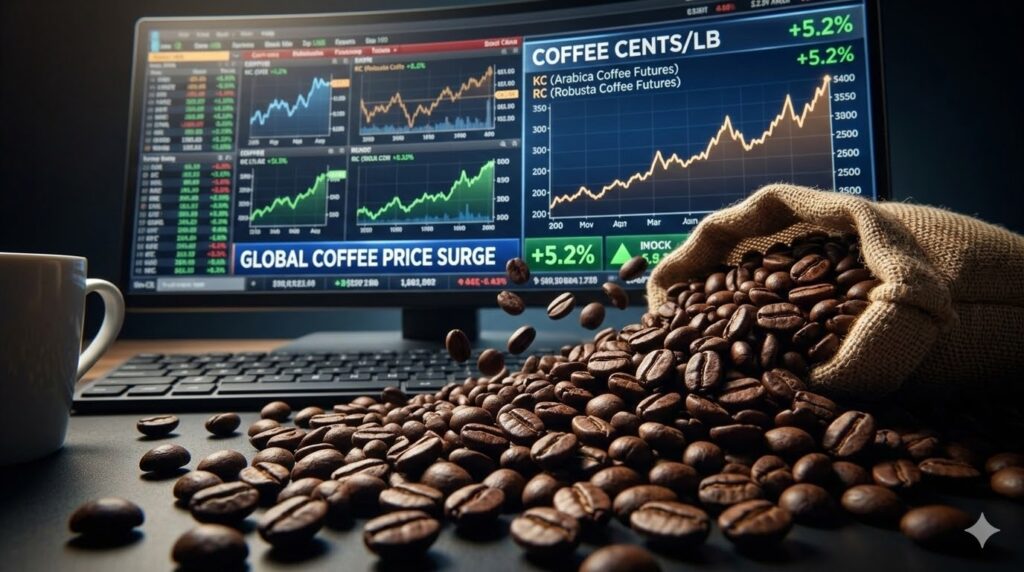
This surge illustrates a rare market phenomenon: export volume growth was moderate, yet export value skyrocketed. The primary driver behind this imbalance was the dramatic increase in global coffee prices.
The Price Rally: A Global Supply Story
The coffee price boom of 2024–2025 was not purely a Vietnamese story. Instead, it was the result of structural supply shortages across major producing regions.
Several factors contributed to this price rally:
1. Weather disruptions in Brazil
Brazil, the world’s largest coffee producer, faced drought conditions and irregular harvest cycles in recent years, reducing arabica supply.
2. Tight global inventories
Global coffee stocks have remained historically low, particularly for robusta beans — a segment where Vietnam dominates.
3. Supply chain disruptions
Shipping bottlenecks and logistics costs have further tightened global coffee availability.
These factors pushed global coffee futures significantly higher. As a result, Vietnam — the world’s leading robusta supplier — benefited disproportionately from the surge in prices.
Vietnam’s Robusta Advantage
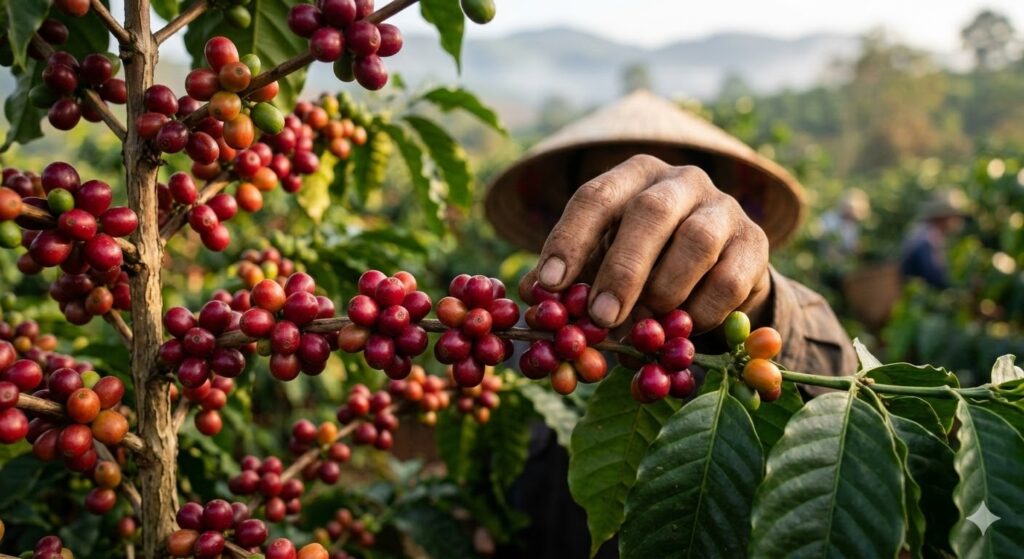
Vietnam’s strategic strength lies in its robusta production. Robusta accounts for over 80% of Vietnam’s coffee output, making the country the backbone of global instant coffee and espresso blends.
Unlike arabica, robusta beans are widely used in:
- instant coffee manufacturing
- commercial espresso blends
- ready-to-drink coffee beverages
As global coffee consumption continues to rise, especially in emerging markets, demand for robusta has grown rapidly due to its affordability and higher caffeine content.
Forecasts suggest Vietnam’s coffee production could reach around 30.8 million 60-kg bags in the 2025/26 season, representing a 6% increase from the previous year as farmers expand cultivation in response to high prices.
This production growth could further strengthen Vietnam’s influence over the global robusta market.
Expanding Global Demand
Vietnamese coffee exports are increasingly diversified across global markets. The European Union remains the largest buyer, followed by the United States, Japan, South Korea, and China.
However, emerging markets are beginning to play a larger role. For example, Mexico has recently become a rapidly growing destination for Vietnamese coffee imports, with purchases rising dramatically compared with previous years.
Several long-term consumption trends are driving demand:
- growth of specialty coffee culture worldwide
- rising consumption in Asia
- expansion of instant coffee markets
- growth in ready-to-drink coffee beverages
These factors suggest that global demand for Vietnamese robusta will remain structurally strong for years to come.
Domestic Industry Transformation
Beyond exports, Vietnam’s coffee sector is gradually moving up the value chain.
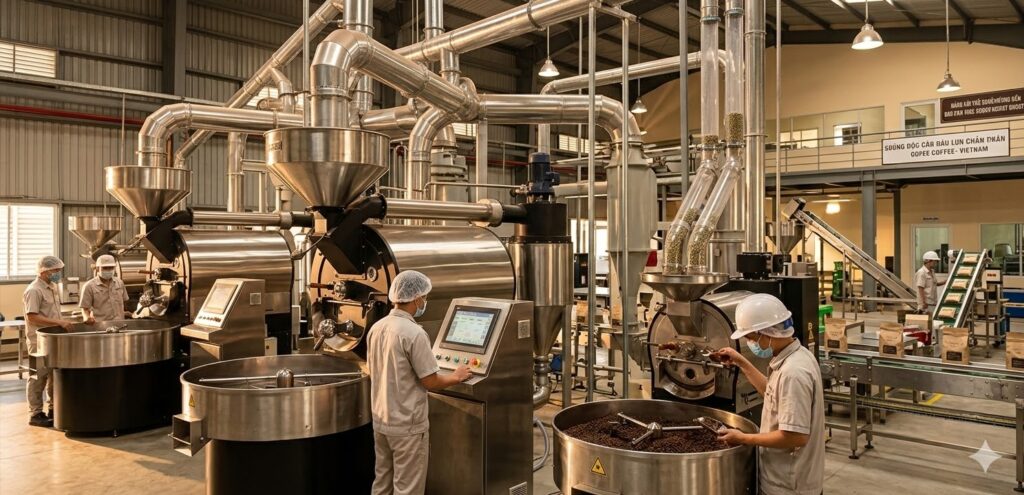
Traditionally, the country exported primarily green coffee beans. Today, however, policymakers and industry leaders are encouraging a shift toward higher-value products such as:
- roasted coffee
- instant coffee
- specialty coffee
- ready-to-drink coffee beverages
This transition is crucial for improving profit margins and reducing dependence on volatile commodity markets.
Vietnam’s domestic coffee market is also expanding rapidly. Industry analysts estimate that the local coffee market could reach over US$700 million by 2030, growing at an annual rate of more than 6%.
Major domestic brands and multinational companies are investing heavily in processing capacity, signaling a structural shift in the industry.
Risks and Market Challenges
Despite its strong performance, Vietnam’s coffee sector still faces several structural challenges.
Climate risk remains the most serious threat. Coffee production in the Central Highlands increasingly faces drought, irregular rainfall, and extreme weather events.
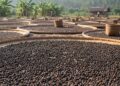
For example, heavy flooding in some coffee-growing regions has previously disrupted harvesting and drying processes, affecting supply chains and farmer income.
Another challenge is global price volatility. While prices are currently strong, a potential recovery in Brazilian production could push global coffee prices lower in the coming years.
Additionally, international sustainability regulations — particularly in Europe — are forcing exporters to adapt to stricter traceability and environmental standards.
Outlook: Vietnam’s Strategic Position in the Coffee Economy
Looking ahead, Vietnam’s role in the global coffee industry is expected to strengthen further.
Several structural factors support this outlook:
- robusta demand continues to grow globally
- Vietnamese production remains cost competitive
- export infrastructure is well developed
- processed coffee capacity is expanding
At the same time, Vietnam’s coffee sector is entering a new strategic phase — one defined not just by volume, but by value creation.
If the country successfully expands its processing industry and develops premium coffee segments, Vietnam could evolve from the world’s largest robusta exporter into one of the most influential players in the global coffee economy.
In a market increasingly shaped by supply uncertainty and climate pressures, Vietnam’s coffee industry may well become the stabilizing force of the global coffee supply chain.