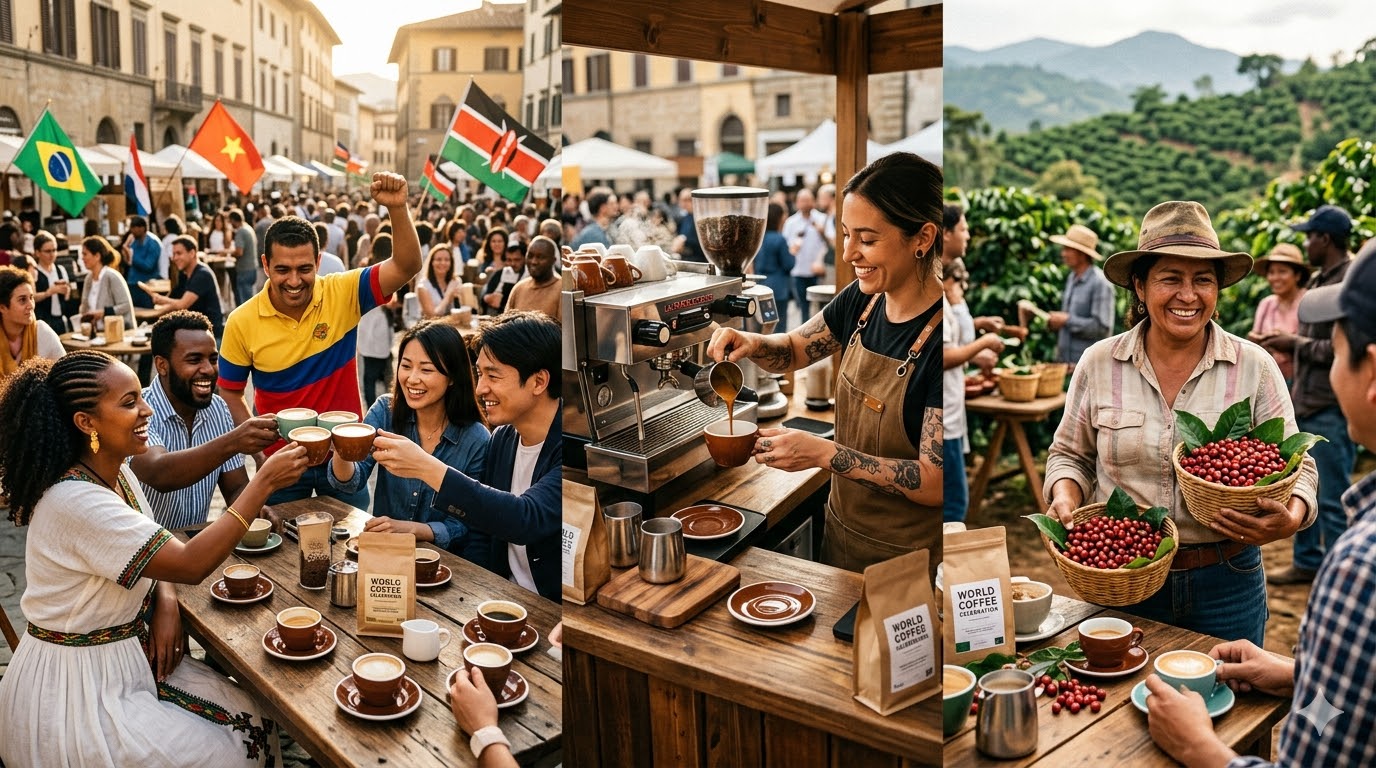
In a landmark move for the global coffee sector, the United Nations has officially recognised 1 October as International Coffee Day, giving formal international status to a celebration that has long been embraced by coffee lovers and industry stakeholders worldwide.
The decision, adopted by the United Nations General Assembly in 2026, represents more than symbolic recognition. It highlights coffee’s growing importance not only as a global beverage but also as a critical economic and social pillar for millions of farmers and workers across the developing world.
For an industry that supports livelihoods across continents—from Latin America and Africa to Asia—this recognition marks a significant step in raising awareness about the challenges and opportunities facing the global coffee value chain.
Elevating Coffee to the Global Development Agenda
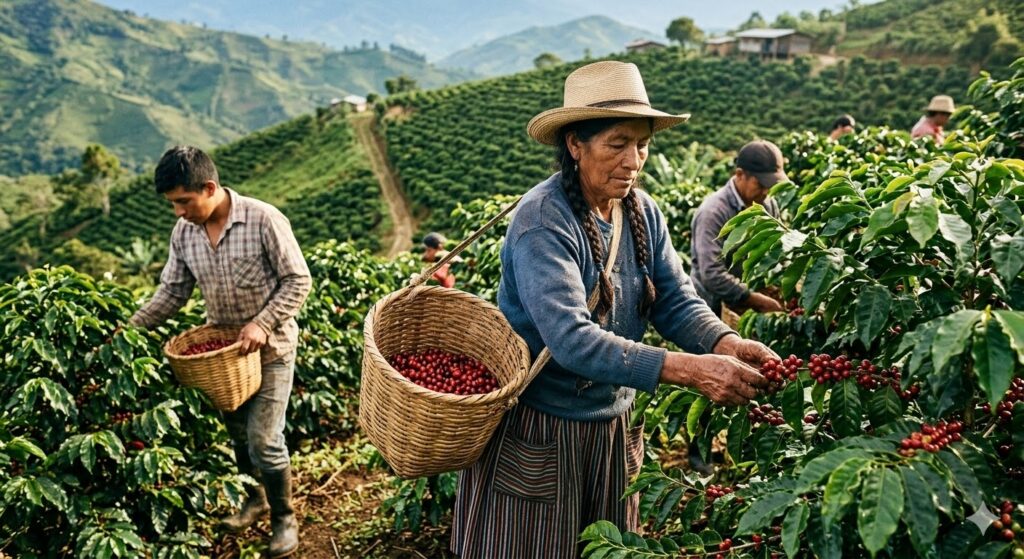
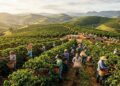
Coffee is one of the most widely traded agricultural commodities in the world, playing a vital role in international trade and rural economies. According to global estimates, the sector supports around 25 million coffee farmers, many of whom operate smallholder farms in developing countries.
By officially designating International Coffee Day, the United Nations aims to highlight the economic, cultural, and social importance of coffee while promoting sustainable development within the industry.
The observance also seeks to draw attention to the complex realities of coffee production, including the pressures faced by farmers due to climate change, market volatility, and rising production costs.
For policymakers and industry leaders, the UN recognition reinforces the need for coordinated global efforts to build a more resilient and equitable coffee sector.
The Origins of International Coffee Day
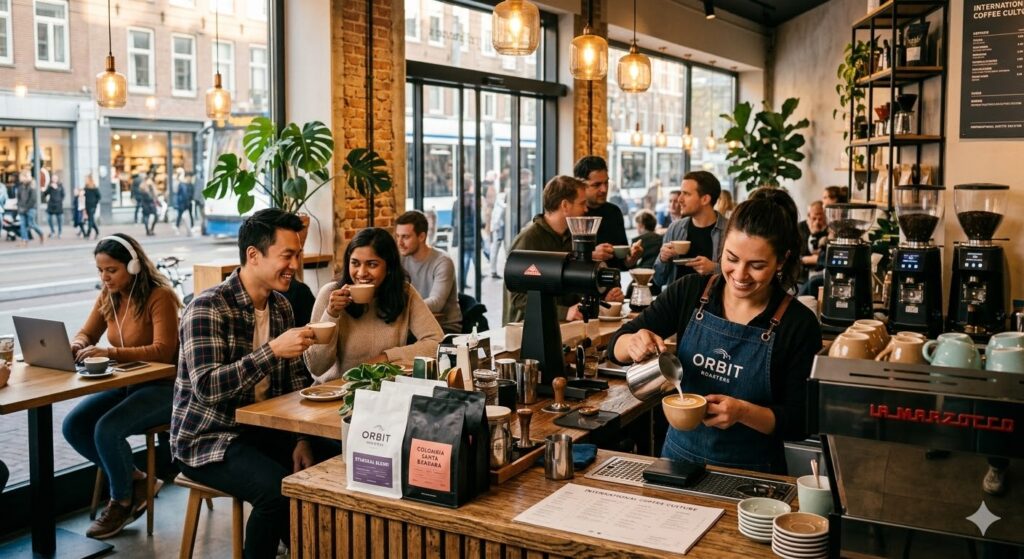
Although coffee has been celebrated informally for decades, the modern concept of International Coffee Day began taking shape in the early 2010s.
In 2014, member states of the International Coffee Organization agreed to establish a unified global celebration for coffee lovers and industry stakeholders. The first official International Coffee Day was launched in Milan in 2015 during Expo Milano.
Since then, 1 October has become the annual focal point for global coffee celebrations, with events held in cafés, producing regions, and industry forums across the world.
These celebrations often include promotional campaigns, industry discussions, sustainability initiatives, and consumer engagement activities designed to highlight the value of coffee and the people behind it.
Why the United Nations Recognition Matters
While International Coffee Day has already been widely celebrated, formal recognition by the United Nations significantly elevates its global visibility.
The resolution encourages governments, organizations, and industry stakeholders to organize activities that promote awareness of coffee’s contribution to economic development, trade, and food security.
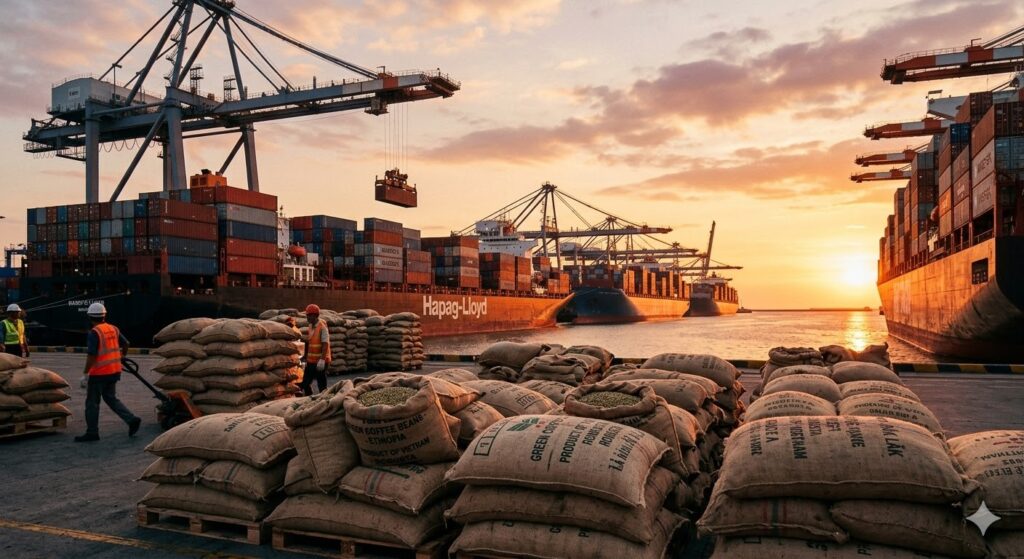
For many producing countries, coffee exports represent a critical source of foreign exchange and rural employment. Recognizing coffee at the international level helps strengthen support for policies aimed at improving sustainability, farmer livelihoods, and supply chain transparency.
This is particularly important as the coffee industry faces growing challenges related to climate change and environmental sustainability.
Coffee’s Role in Sustainable Development
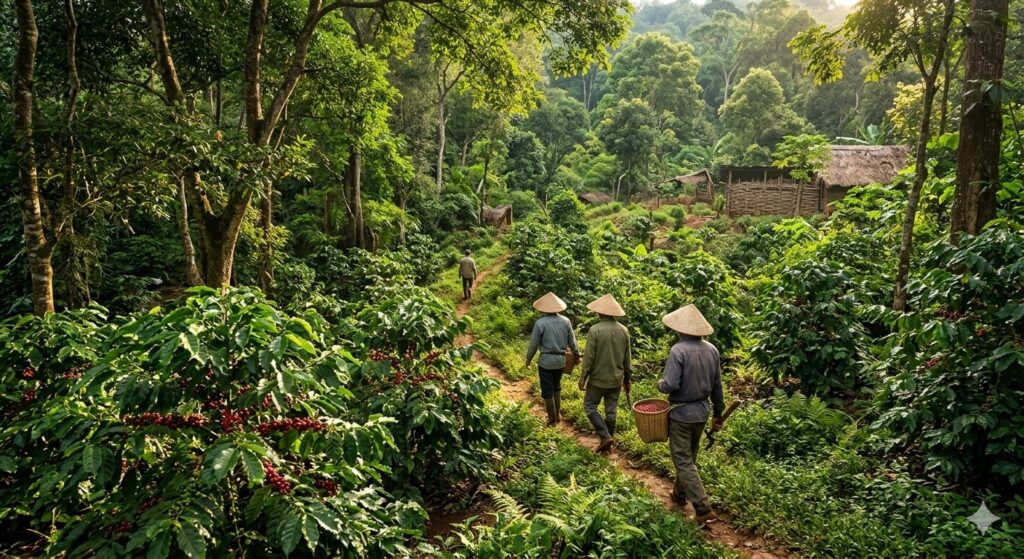
Coffee production is closely linked to several global development priorities, including poverty reduction, rural employment, and sustainable agriculture.
Millions of smallholder farmers rely on coffee cultivation as their primary source of income. Yet these farmers often operate within fragile ecosystems and face increasing environmental risks.
Extreme weather events, shifting rainfall patterns, and rising temperatures are already affecting coffee yields in many producing regions.
The United Nations’ recognition of International Coffee Day is expected to strengthen global dialogue around these issues while encouraging greater investment in climate resilience, sustainable farming practices, and fair value distribution within the coffee supply chain.
A Celebration That Connects Producers and Consumers

Beyond policy and economics, International Coffee Day also serves as a cultural celebration of one of the world’s most beloved beverages.
Coffee has become deeply embedded in daily life across many societies—from espresso bars in Europe to specialty cafés in Asia and traditional coffee ceremonies in Africa.
On 1 October each year, cafés, roasters, and brands often host promotional campaigns, community events, and educational programs to highlight coffee’s journey from farm to cup.
These celebrations help bridge the gap between consumers and producers, reminding coffee drinkers that every cup is connected to a vast global network of farmers, traders, processors, and roasters.
A New Opportunity for the Global Coffee Industry
For the coffee industry, the United Nations recognition creates a powerful platform for raising awareness about the sector’s importance.
It provides governments, international organizations, and private companies with an opportunity to collaborate on initiatives that support farmer livelihoods, promote sustainable coffee production, and improve supply chain transparency.
The move also comes at a time when the global coffee market is undergoing major shifts. Climate change, rising demand for specialty coffee, and increasing attention to ethical sourcing are reshaping how the industry operates.
By placing coffee on the international observance calendar, the UN has effectively acknowledged the beverage not only as a cultural icon but also as a strategic agricultural commodity with far-reaching global impact.
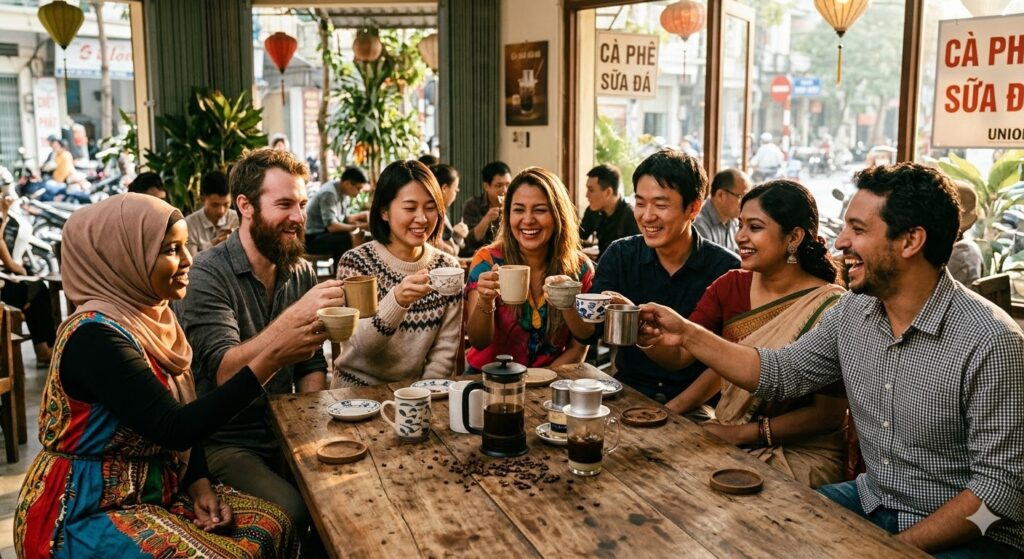
Looking Ahead
As International Coffee Day gains official recognition on the global stage, the celebration is likely to grow in scale and influence.
For coffee-producing nations such as Brazil, Vietnam, Colombia, and Ethiopia, the observance provides an opportunity to showcase their coffee heritage and promote sustainable production practices.
For consumers, it offers a moment to appreciate the complex journey behind every cup of coffee.
And for the industry as a whole, it represents a reminder that the future of coffee depends on building a more resilient, equitable, and sustainable global coffee economy.