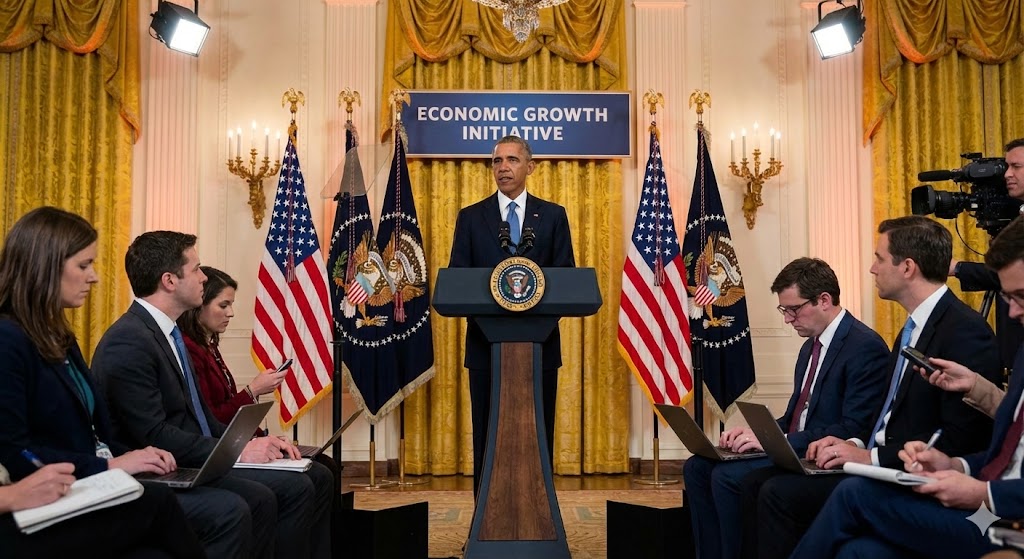
WASHINGTON — U.S. President **Donald Trump’s repeated assertions that inflation has been “defeated” are reverberating through commodity markets — especially coffee — even as consumers and traders continue to feel the pinch of rising prices. In a series of economic speeches this year, Trump has declared inflation under control nearly 20 times, despite stubborn costs for key goods like coffee, highlighting a disconnect between political messaging and market realities that is now influencing the global coffee complex.
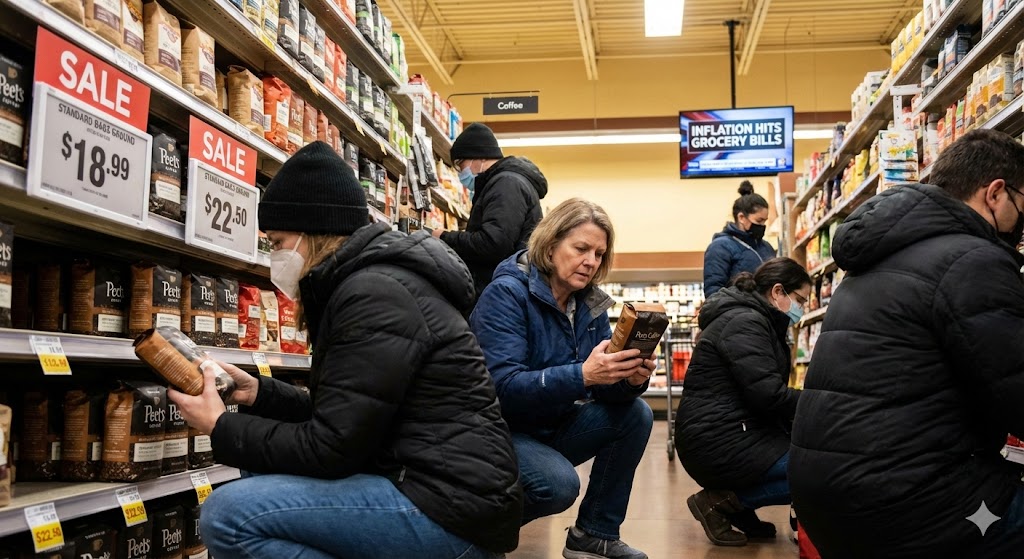
Economists note that while headline inflation has eased moderately since Trump took office in early 2025, retail coffee prices have climbed sharply, reflecting both broader cost pressures and lingering supply chain effects. According to Reuters, the price of ground coffee rose about 29% year-over-year even as political narratives emphasize falling overall inflation — a dynamic that has frustrated coffee roasters and consumers alike.
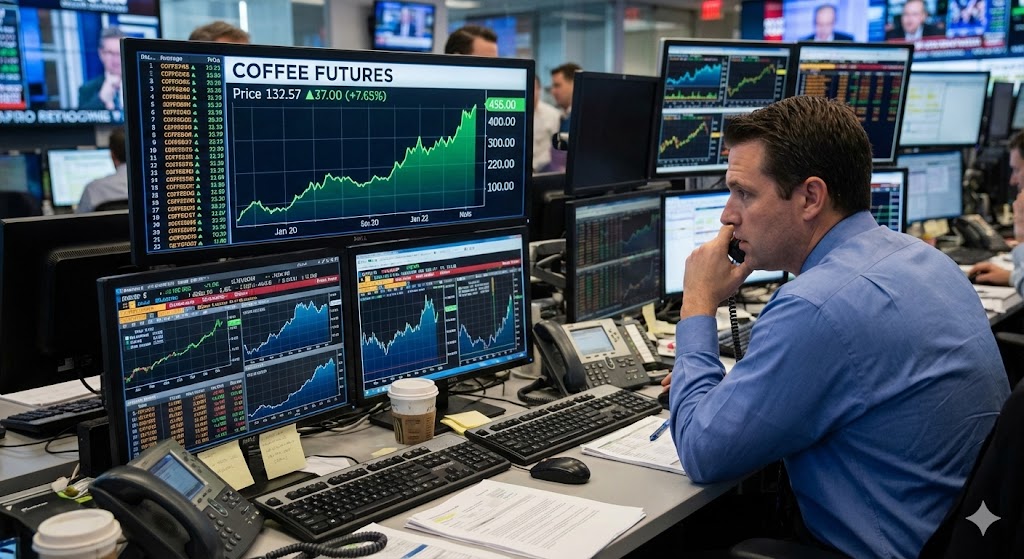
For the U.S., the world’s largest coffee consumer, this price inflation translates into real impacts at the café counter and grocery store. Traders point to past tariff policies and import cost swings as key drivers behind elevated prices, with beans from major suppliers such as Brazil bearing the brunt of earlier duties. Global prices responded sharply when some tariffs were lifted, underscoring the sensitivity of the coffee market to U.S. trade policy shifts.

Market participants are watching closely for policy developments as mid-term political pressures mount. Even as policymakers tout slowing headline inflation, coffee buyers and roasters are bracing for continued volatility, with futures contracts remaining above pre-pandemic levels and supply fundamentals still adjusting to shifts in trade and consumption patterns.
Analysts say that prolonged elevated coffee costs — juxtaposed with political claims of price relief — could dampen demand or push consumers toward cheaper alternatives, especially if wages lag behind persistent everyday cost increases.

As the coffee market navigates this mix of political rhetoric and economic data, one thing remains clear: the humble cup of coffee has become a bellwether for broader inflation dynamics that ordinary Americans are still experiencing firsthand.