
For decades, Robusta coffee has been regarded as a lower-tier commodity, largely destined for instant coffee and mass-market blends. Today, that perception is undergoing a significant transformation as high-quality Robusta — often referred to as “Fine Robusta” — gains recognition within the specialty coffee segment.
This shift reflects deeper structural changes in the global coffee market, driven by climate pressures, evolving consumer preferences, and supply-side constraints affecting Arabica.
From Volume to Quality: Redefining Robusta
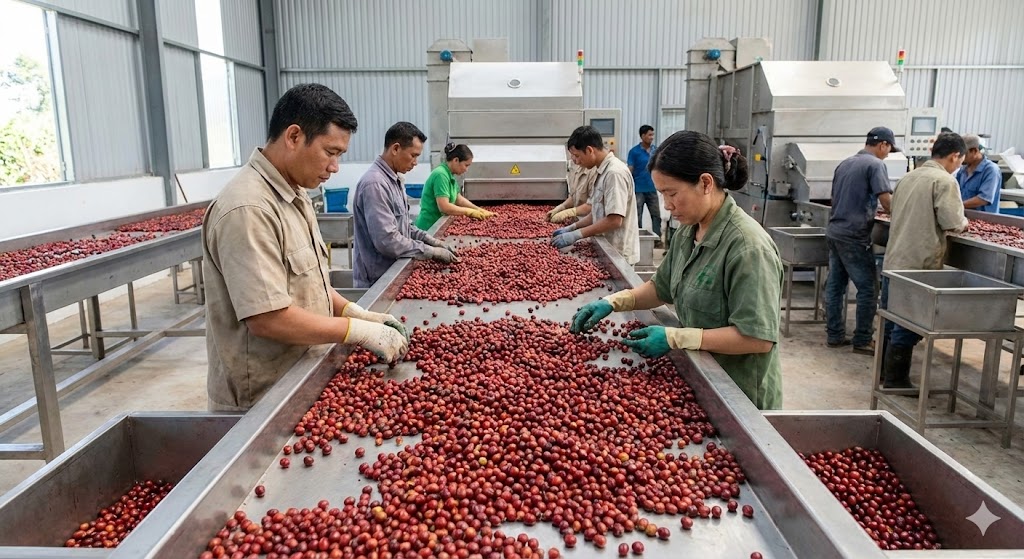
Traditionally, Robusta has been valued for its high yields, disease resistance, and strong caffeine content, rather than flavor complexity. However, improvements in agronomy, selective harvesting, and post-harvest processing are reshaping its profile.
When cultivated at suitable elevations and processed using advanced methods such as controlled fermentation, honey, or natural processing, Fine Robusta can deliver:
- Cleaner cups with reduced bitterness
- Chocolate, nutty, and caramel notes
- Fuller body and intense mouthfeel
- Thick and stable crema, particularly suited for espresso
In Brazil and parts of Europe, specialty cafés are increasingly offering 100% Robusta espresso, a concept that would have been unthinkable just a few years ago.
Fine Robusta Gains Institutional Recognition
The rise of Fine Robusta is no longer confined to niche markets. Industry bodies, including the Specialty Coffee Association (SCA), have begun refining evaluation frameworks specifically for Robusta, signaling growing institutional acceptance.
This marks a turning point: Robusta is no longer viewed solely as a blending component for Arabica, but as a standalone product with distinct sensory identity.
Younger consumers and experimental roasters are leading this shift, drawn to Robusta’s bold character and its suitability for modern espresso-based beverages.
Vietnam’s Strategic Opportunity
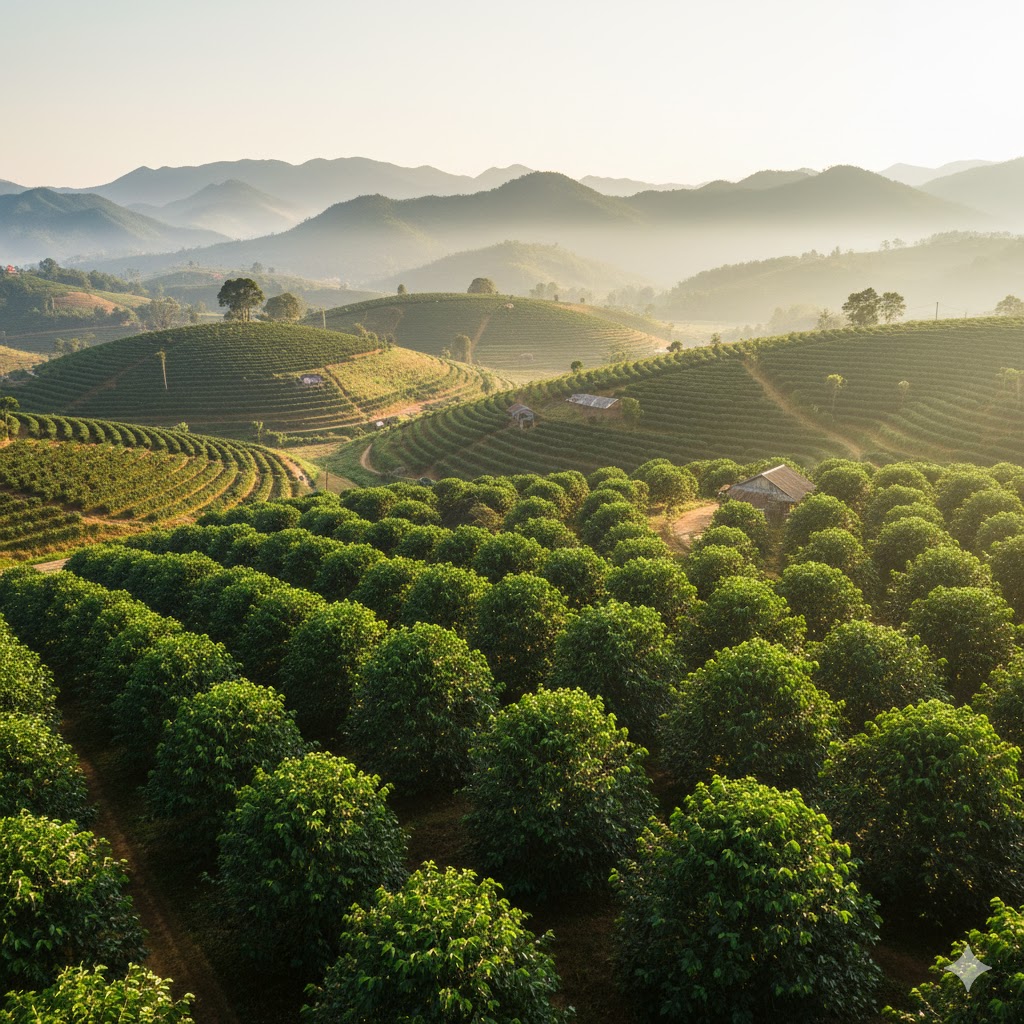
As the world’s largest producer of Robusta, Vietnam stands at the center of this transformation. Historically focused on volume-driven exports, the country now has a clear pathway to value upgrading through Fine Robusta.
Key advantages include:
- Established farming expertise
- Scalable production capacity
- Increasing adoption of quality-focused processing
At a time when climate change is constraining Arabica supply, Robusta’s resilience positions it as a strategic alternative for roasters seeking stability without sacrificing quality.
Market Outlook

The emergence of specialty-grade Robusta reflects a broader recalibration of value across the coffee supply chain. As quality standards evolve and consumer perceptions shift, Fine Robusta is poised to play a larger role in the global specialty market, particularly in espresso-focused segments.
For producing countries like Vietnam, this transition represents not just a branding opportunity, but a potential redefinition of long-term export strategy.