s climate volatility intensifies across agricultural regions worldwide, regenerative agriculture is emerging as a structural solution rather than a passing sustainability trend. In Ethiopia, where agriculture underpins economic stability and rural livelihoods, the transition toward regenerative farming systems represents a critical inflection point for both environmental resilience and long-term food security.
Strategic Funding as a Catalyst for Systemic Change
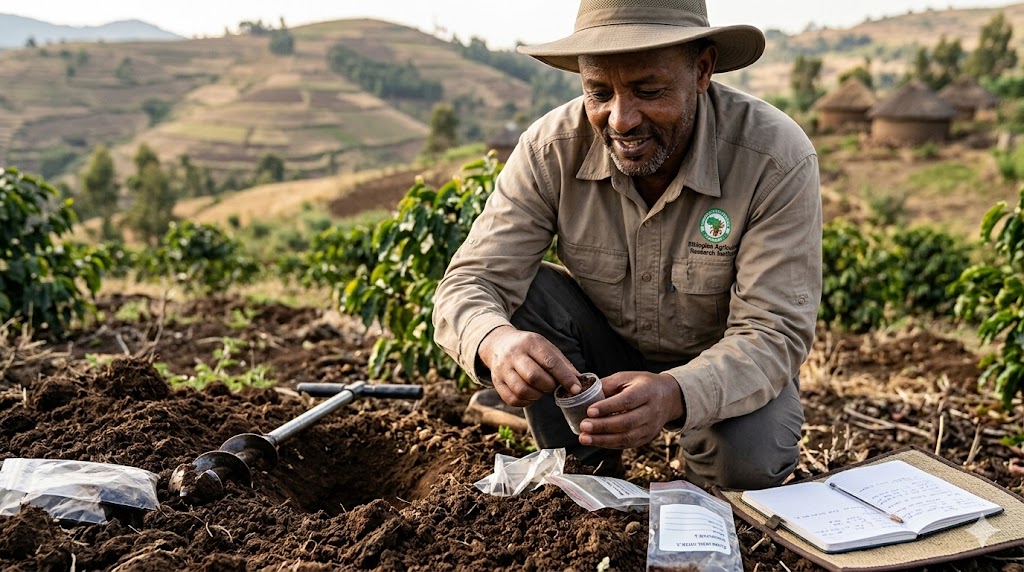
A significant boost to Ethiopia’s regenerative movement comes from support by the National Geographic Society and PepsiCo through its Food for Tomorrow Fund. These grants aim to strengthen research-driven approaches to regenerative systems, particularly within smallholder farming communities.
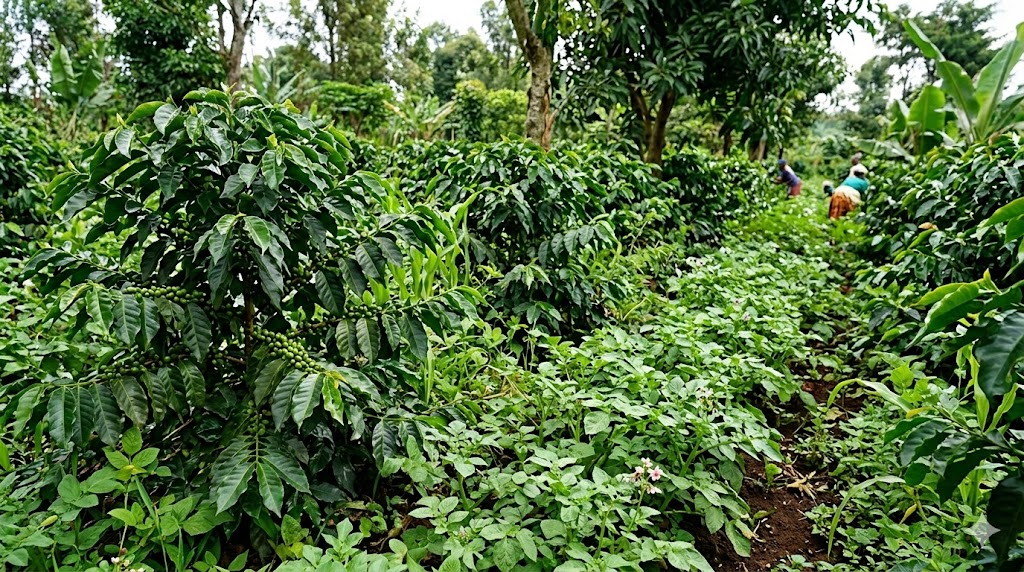
One highlighted initiative focuses on coffee–potato intercropping systems led by Ethiopian researcher Hewan Degu. The objective is not merely yield improvement, but the development of microbiological evidence supporting soil regeneration practices. This scientific validation is crucial: regenerative agriculture requires measurable proof of soil carbon improvement, biodiversity restoration, and long-term productivity gains to achieve scalable adoption.
Unlike conventional agricultural support programs that emphasize short-term productivity, this funding framework prioritizes ecosystem restoration. That distinction marks a shift from input-intensive farming models toward biologically integrated systems capable of rebuilding soil health over time.
Why Regenerative Agriculture Matters for Ethiopia
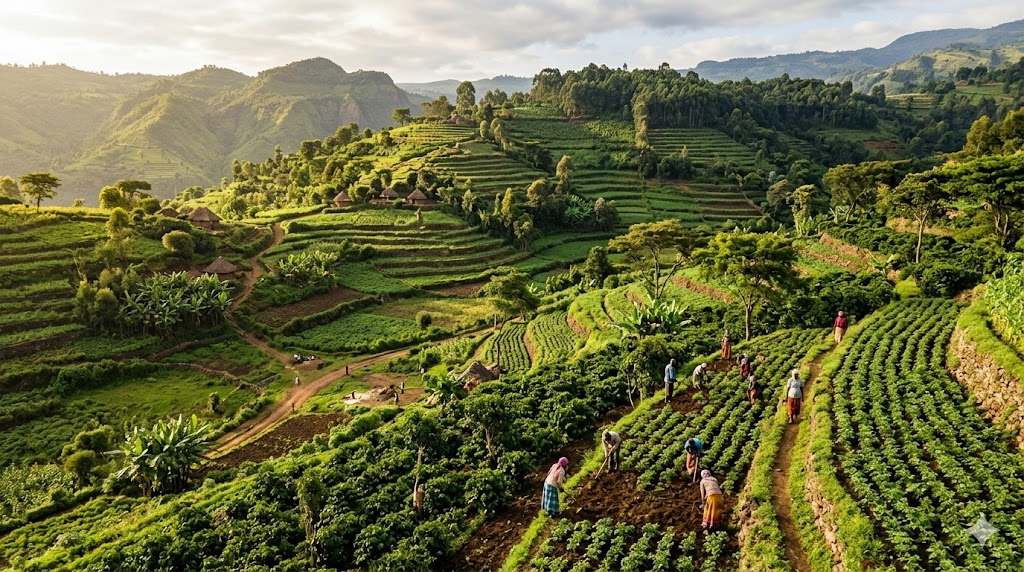
Agriculture accounts for roughly 40 percent of Ethiopia’s GDP and employs over 70 percent of its workforce. Coffee remains one of its most critical export commodities, but cereal crops such as wheat and maize are equally essential to national food security.
However, decades of soil degradation, erosion, and climate stress have compromised productivity across many regions. Increasing temperature variability and erratic rainfall patterns further intensify the vulnerability of smallholder farmers, who dominate Ethiopia’s agricultural landscape.
Regenerative agriculture directly addresses these structural risks by focusing on:
- Soil organic matter restoration
- Improved water retention capacity
- Reduced erosion
- Enhanced biodiversity
- Lower dependence on synthetic inputs
Intercropping systems, cover cropping, organic fertilization, and agroforestry are among the core practices being tested and expanded. When implemented effectively, these systems increase resilience to drought conditions and stabilize yields under climate stress.
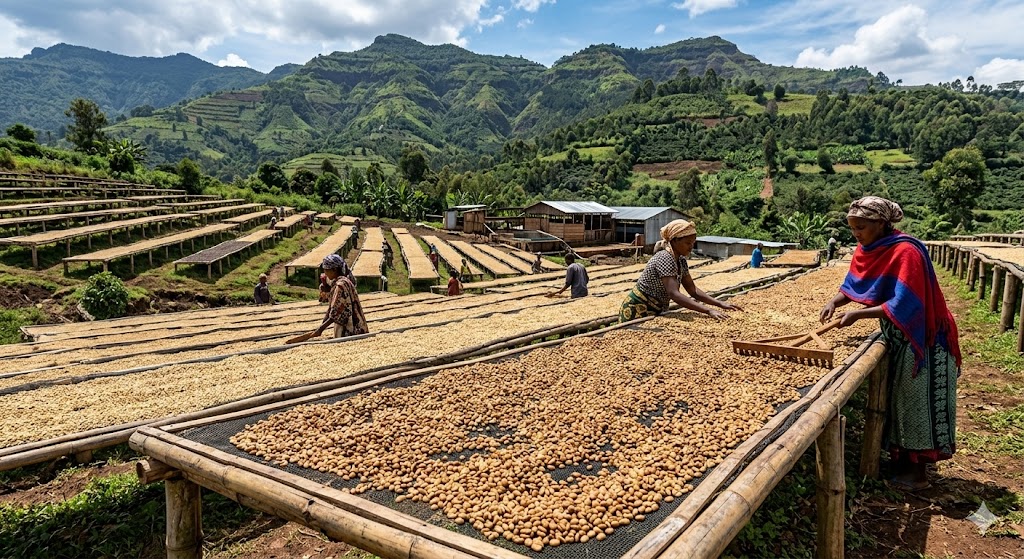
In coffee-producing regions especially, regenerative systems offer dual benefits: preserving soil structure while enhancing cup quality through improved plant health. As global buyers increasingly prioritize sustainable sourcing, this alignment between ecological restoration and market demand strengthens Ethiopia’s competitive positioning.
A Multi-Stakeholder Implementation Model
Regenerative agriculture cannot scale through isolated interventions. Ethiopia’s current strategy reflects a multi-stakeholder framework involving research institutions, development organizations, private-sector partners, and farmer communities.
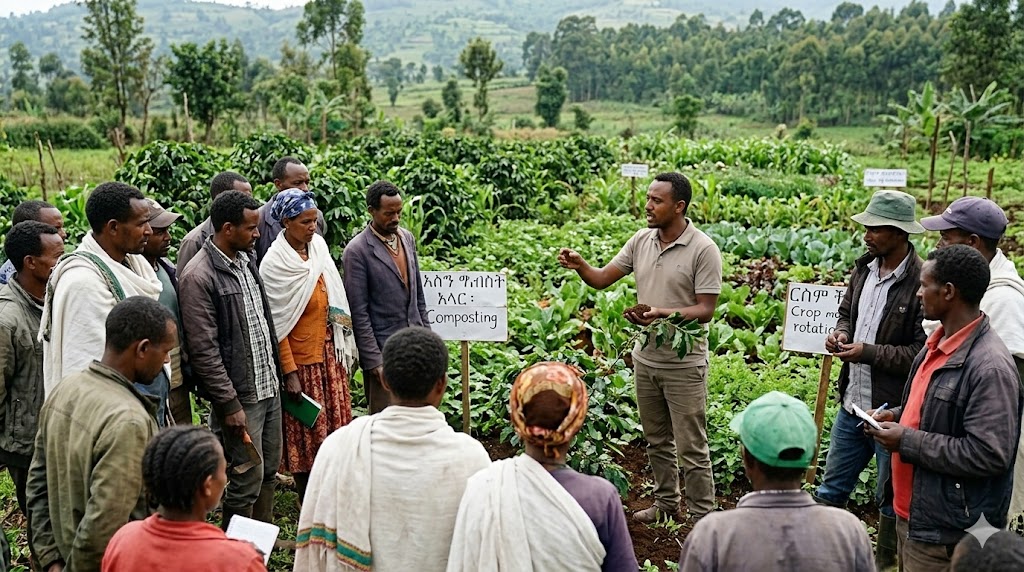
Crucially, knowledge transfer is embedded at the local level. Instead of imposing externally designed models, projects emphasize participatory research and farmer-led validation. Demonstration plots and rural resource centers allow growers to observe soil performance and productivity outcomes firsthand.
This localized validation process builds trust—an essential component in shifting deeply ingrained cultivation habits. For smallholder farmers operating on thin margins, risk aversion is rational. Regenerative practices must therefore demonstrate economic viability alongside ecological benefits.
International corporate involvement also signals an evolving supply chain dynamic. Large food and beverage companies are increasingly recognizing that long-term raw material security depends on soil health at origin. Supporting regenerative transitions is therefore not philanthropic—it is strategic risk management.
Economic Implications for Smallholder Farmers
For Ethiopian farmers, regenerative agriculture holds the potential to reduce input costs while stabilizing production. Over time, improved soil biology reduces reliance on chemical fertilizers, which are both costly and often inaccessible in rural regions.
Additionally, regenerative certification pathways may open access to premium markets. Sustainable and traceable coffee commands higher prices in global trade. If regenerative metrics become standardized within certification frameworks, Ethiopian producers adopting these systems could capture additional value.
Beyond direct farm income, broader ecosystem services—such as improved watershed stability and carbon sequestration—create opportunities for climate finance mechanisms. Carbon markets and sustainability-linked supply contracts could further monetize regenerative adoption.
However, scalability remains contingent on training, infrastructure, and consistent monitoring frameworks. Soil regeneration is a multi-year process. Without sustained institutional support, early adoption gains may stagnate.
Long-Term Outlook: From Pilot Projects to National Strategy
Ethiopia stands at a strategic crossroads. Early-stage funding and research initiatives represent promising groundwork, but systemic transformation requires integration into national agricultural policy frameworks.
If regenerative agriculture becomes embedded within extension services, subsidy structures, and export branding strategies, Ethiopia could position itself as a continental leader in climate-resilient agriculture.
Moreover, regenerative models developed in Ethiopia may offer replicable blueprints for other African coffee-producing nations facing similar climate pressures.
The broader implication is clear: regenerative agriculture is not simply an environmental agenda. It is an economic resilience strategy, a climate adaptation mechanism, and a supply chain stabilization tool.
For Ethiopia, the transition underway signals more than agronomic reform—it represents a structural recalibration of how food systems interact with ecosystems. In a climate-constrained global economy, such recalibration is no longer optional. It is foundational.