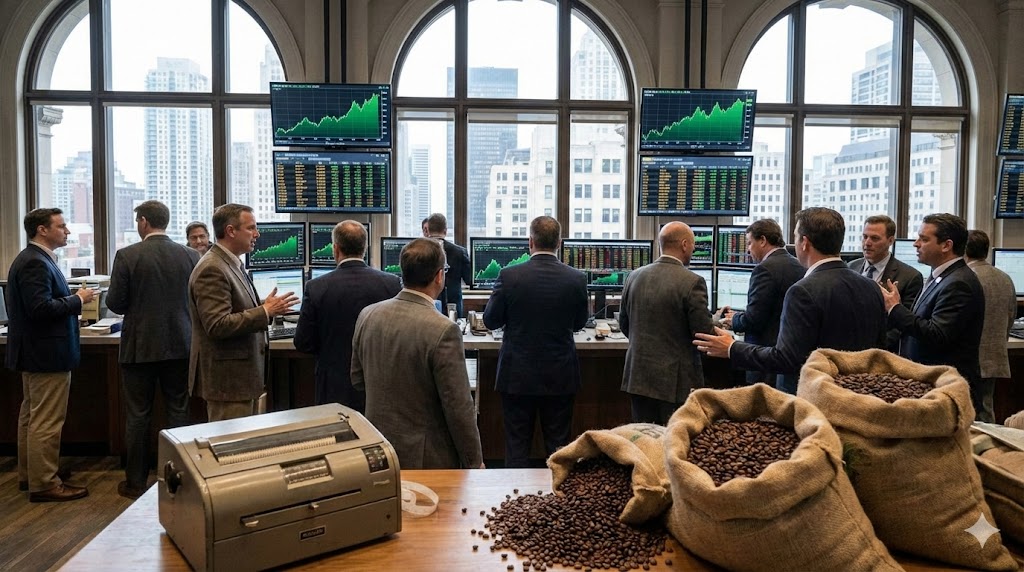
Global coffee prices experienced a significant rally in recent trading sessions, supported by tightening supply from major producing regions and sustained demand in key markets such as the United States and Europe.
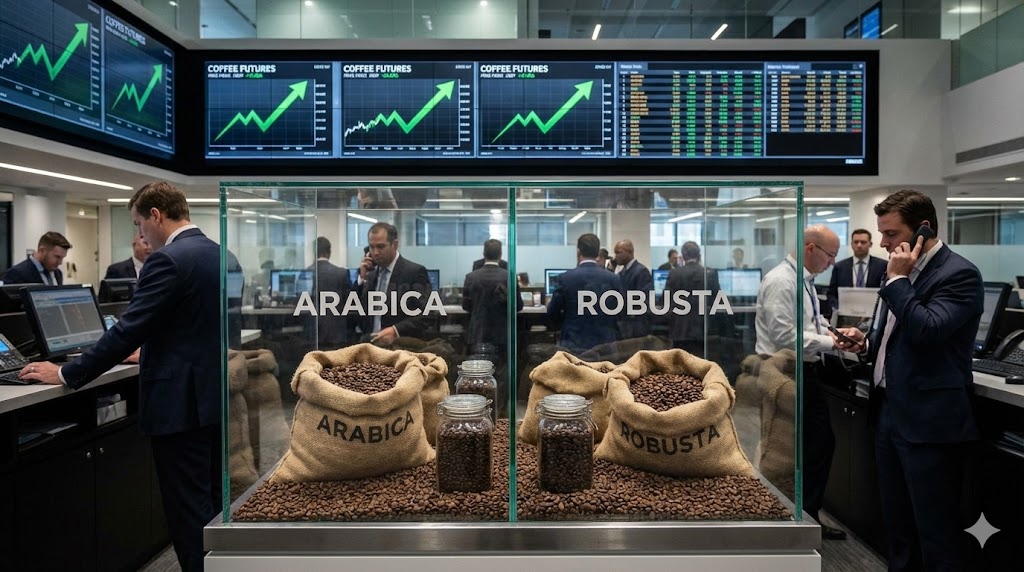
According to the latest data from the Vietnam Commodity Exchange (MXV), prices for Robusta coffee climbed nearly 3.5 percent, closing at around $4,078 per metric ton, while Arabica coffee saw a modest increase of 0.3 percent to approximately $7,661 per metric ton in recent trading.
Supply-Side Pressures Remain Elevated
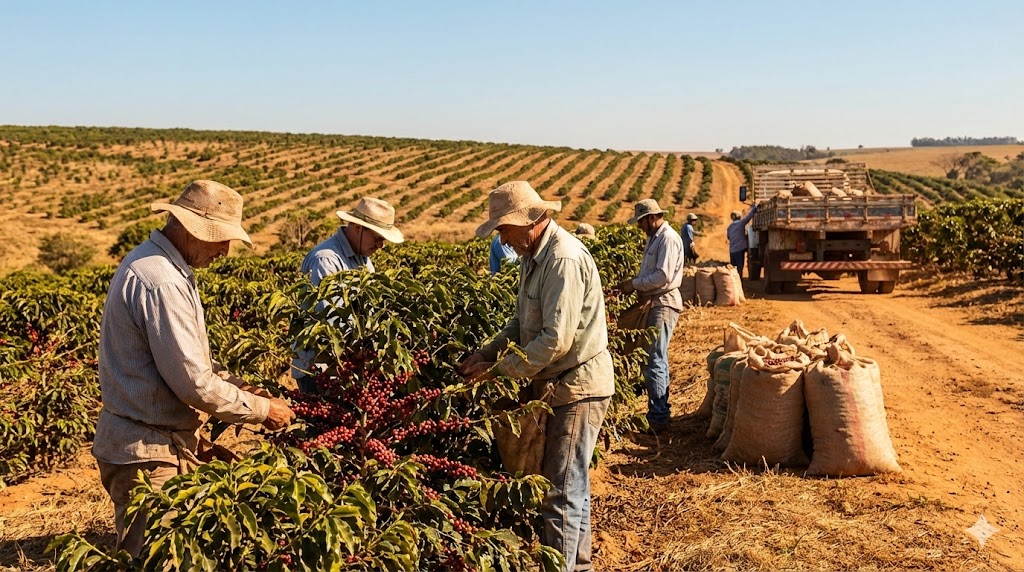
One of the key drivers behind the recent price jump has been tightened export volumes from Brazil, the world’s largest coffee producer. Latest figures from Brazil’s coffee exporters association show a significant decline in shipments in late 2025, with total exports down sharply compared with the prior year — particularly for Robusta varieties.
Brazil’s strong monetary policy has also played a role. Higher interest rates and a stronger Brazilian real have reduced exporters’ incentive to sell coffee immediately, as local producers wait for more favorable rates on the global market, further tightening supply in the short term.
Demand Dynamics in Major Markets
Despite higher prices, coffee consumption in the United States has remained resilient, with steady growth documented through late 2025, even as tariff and policy changes have influenced global trade flows.

European markets, long-standing major consumers of both Arabica and Robusta grades, continue to absorb supply at stable levels, adding to the upward pressure on prices.
Market Outlook and Risks
While current market conditions support high price levels, analysts point to weather developments and harvest prospects as moderating factors over the medium term. Weather forecasts indicate improving conditions in parts of Brazil and Vietnam, which may ultimately bolster output in future seasons.
Nevertheless, with global coffee stocks tight and supply-demand imbalances persisting, volatility is expected to remain elevated. For importers in the United States, Brazil, and Europe — where roasted and specialty coffee consumption is robust — this could translate into higher input costs for roasters and potentially higher retail prices for consumers.