The global coffee market enters 2026 at a critical juncture, shaped by structurally tighter supply, resilient demand and rising production costs that are redefining price dynamics across major origins and consuming regions.
After years of disruption from climate volatility, geopolitical tensions and inflationary pressures, coffee is no longer trading as a purely cyclical agricultural commodity. Instead, market participants increasingly view it as a structurally constrained asset within the global soft commodities complex.
Supply pressures persist across key origins
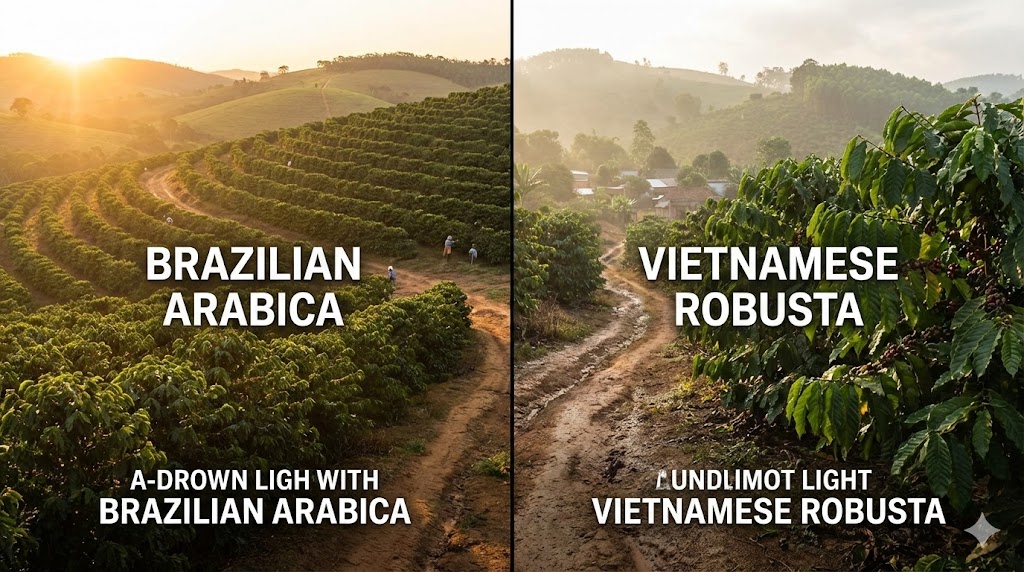
Brazil, the world’s largest coffee producer, remains central to global supply balances. However, erratic weather patterns — including irregular rainfall and localized droughts — have continued to weigh on Arabica yields in several growing regions. While planted area remains broadly stable, higher fertilizer, labor and financing costs have limited producers’ ability to maximize output.
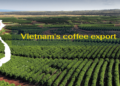
Vietnam, the world’s top Robusta exporter, faces a different but equally significant challenge. Production growth has failed to keep pace with rising global demand, as farmers contend with elevated input costs and increasing competition from alternative crops. Industry sources note that Vietnamese growers have become more reluctant sellers, tightening spot availability and contributing to firmer Robusta prices.
Other major origins, including Colombia, Indonesia and Ethiopia, are also grappling with climate-related risks and long-term structural issues such as labor shortages and aging plantations. Together, these factors have reinforced concerns that global coffee supply growth may remain constrained beyond 2026.
Demand remains resilient despite economic uncertainty
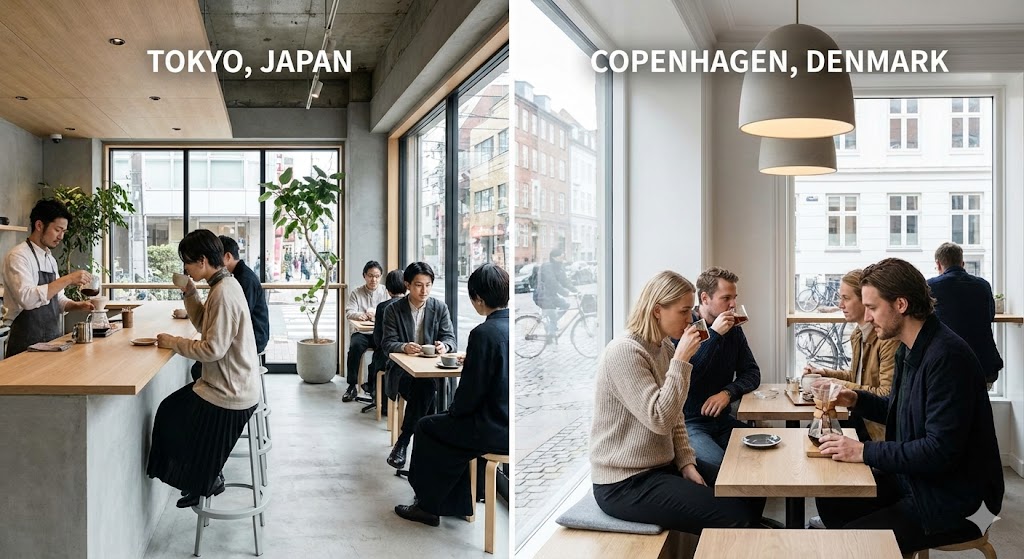
On the demand side, global coffee consumption has proven remarkably resilient. In the United States and Europe, coffee remains a daily staple, even as consumers adjust spending habits amid lingering inflationary pressures. Rather than reducing consumption, buyers are increasingly trading up, favoring higher-quality beans, traceable origins and sustainability-certified products.
Asia continues to be a key growth engine. China, South Korea and Southeast Asia have seen rapid expansion in café culture, ready-to-drink beverages and specialty coffee consumption. Market analysts say this shift represents a more durable source of demand compared with previous consumption booms driven primarily by price cycles.
As a result, global coffee demand in 2026 is expected to remain stable to slightly higher, providing a firm foundation for prices despite broader macroeconomic uncertainty.
Prices settle into a higher structural range
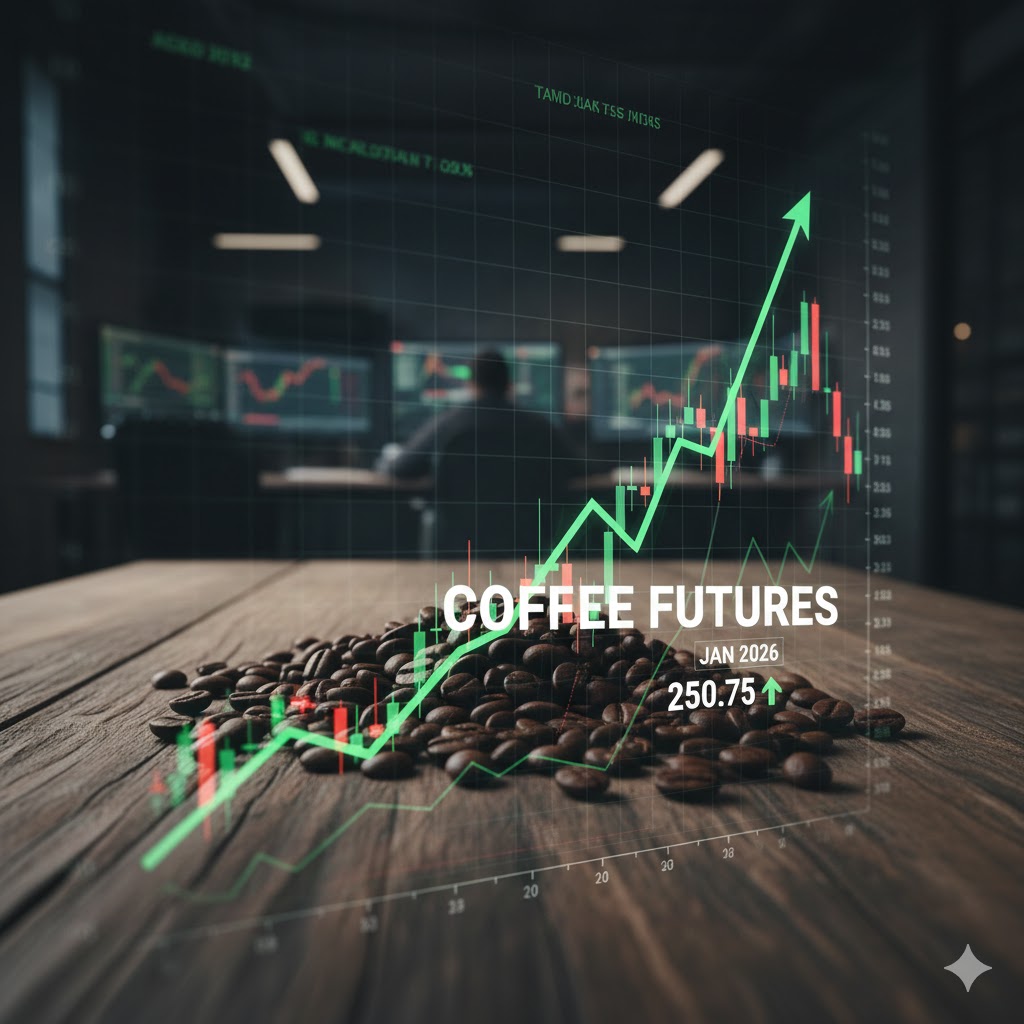
Coffee prices in 2026 are increasingly viewed as operating within a new structural range rather than a short-term rally. Tight physical availability, elevated production costs and steady consumption have made a return to pre-pandemic price lows unlikely, according to traders and analysts.
Robusta, in particular, has taken on greater strategic importance. Widely used in instant coffee and blends, Robusta has benefited from substitution away from higher-priced Arabica, reinforcing demand even as prices rise. Futures market volatility remains elevated, driven by speculative flows, currency movements and weather forecasts, but the underlying market tone remains firm.
Arabica prices, while more sensitive to weather developments in Brazil, continue to reflect supply-side fragility and rising cost structures across producing countries.
Sustainability reshapes the long-term outlook
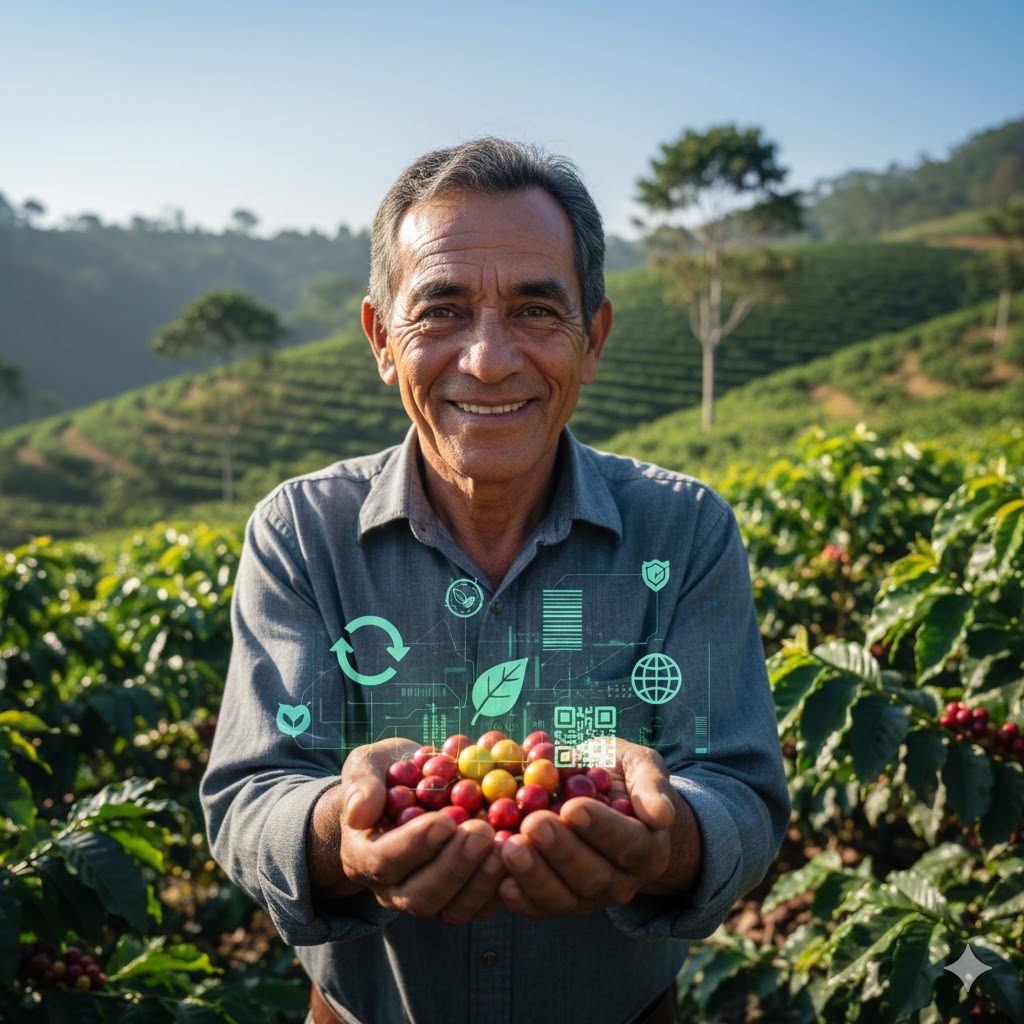
Beyond near-term price movements, sustainability and regulation are reshaping the global coffee landscape. The European Union’s deforestation-free supply chain rules and growing corporate commitments to carbon reduction are pushing traceability and environmental compliance higher up the value chain.
For producers, these requirements present both challenges and opportunities. Smallholders face higher compliance costs, but exporters and origins that invest in transparency and sustainable practices are better positioned to secure premium markets and long-term contracts.
Industry participants increasingly argue that sustainability-driven costs are becoming embedded in coffee pricing, reinforcing the view that higher prices are not temporary but structural.
Market outlook
Looking ahead, analysts expect the global coffee market to remain finely balanced through 2026. Weather risks, geopolitical developments and macroeconomic factors will continue to drive short-term volatility, but the broader trend points to tighter supply and steady demand.
For producers, traders and investors, the key question is no longer whether coffee prices will remain elevated, but how the industry adapts to a new reality in which supply constraints, sustainability requirements and evolving consumer preferences play a decisive role.