Executive Summary
Global agricultural commodity markets are entering a structurally volatile phase, shaped by climate disruption, geopolitical fragmentation, tighter financial conditions, and shifting consumption patterns. Unlike previous commodity cycles driven mainly by seasonal supply-demand balances, today’s agricultural prices increasingly reflect macroeconomic stress and systemic risk.
For investors, agribusinesses, and commodity traders, agricultural markets are no longer defensive or low-beta assets. Instead, they are evolving into strategic portfolios hedges—highly sensitive to weather shocks, energy markets, currency movements, and policy intervention.
Supply-Side Risk: Climate Change Is Now a Core Variable
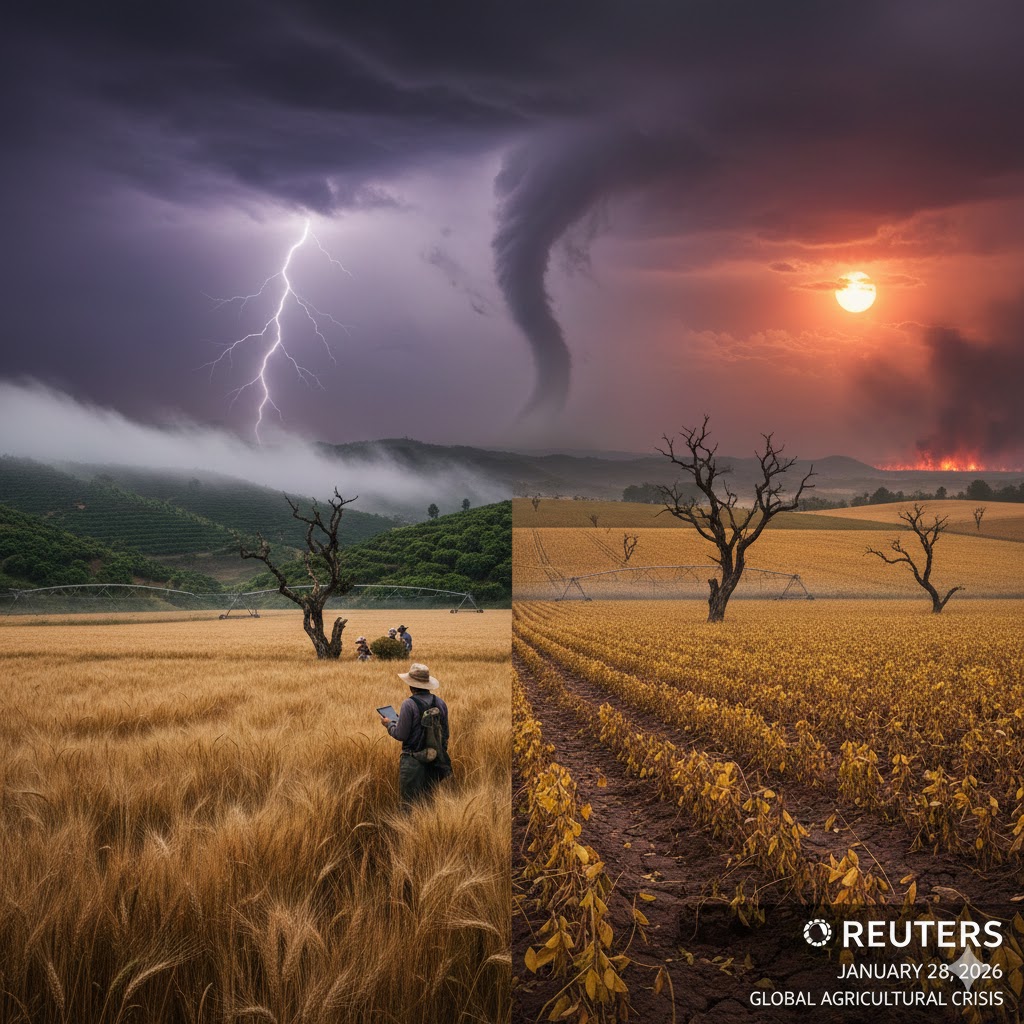
Climate volatility has moved from a “tail risk” to a central pricing factor across nearly all major agricultural commodities.
- El Niño and La Niña cycles continue to disrupt planting and harvesting calendars in South America and Southeast Asia.
- Prolonged droughts threaten grain and oilseed yields in key exporting regions such as the US Midwest, Brazil, and parts of Eastern Europe.
- Flooding and irregular rainfall in Asia affect rice, sugarcane, and palm oil output.
For investors, this means production forecasts are increasingly unreliable, raising the probability of upside price shocks, particularly in weather-sensitive soft commodities.
Demand Resilience: Food Inflation May Slow, but Consumption Does Not Collapse
Despite slowing global economic growth and tighter monetary policy, food demand remains structurally inelastic.
Key demand drivers include:
- Population growth in Asia and Africa
- Rising protein consumption and processed food demand
- Continued expansion of biofuel mandates, linking agriculture to energy markets
Emerging markets, in particular, continue to absorb large volumes of grains, sugar, and vegetable oils, limiting downside price risks even during macroeconomic slowdowns.
Key Commodity Groups: Investor-Focused Outlook
Grains: Strategic Assets for Food Security
Wheat, corn, and rice remain politically sensitive commodities. Governments worldwide are reinforcing food security policies through stockpiling and export controls.
This creates a thin free-float market, where relatively small supply disruptions can trigger sharp price rallies. For investors, grains increasingly behave like geopolitical risk assets, not just agricultural products.
Soft Commodities: High Volatility, High Opportunity
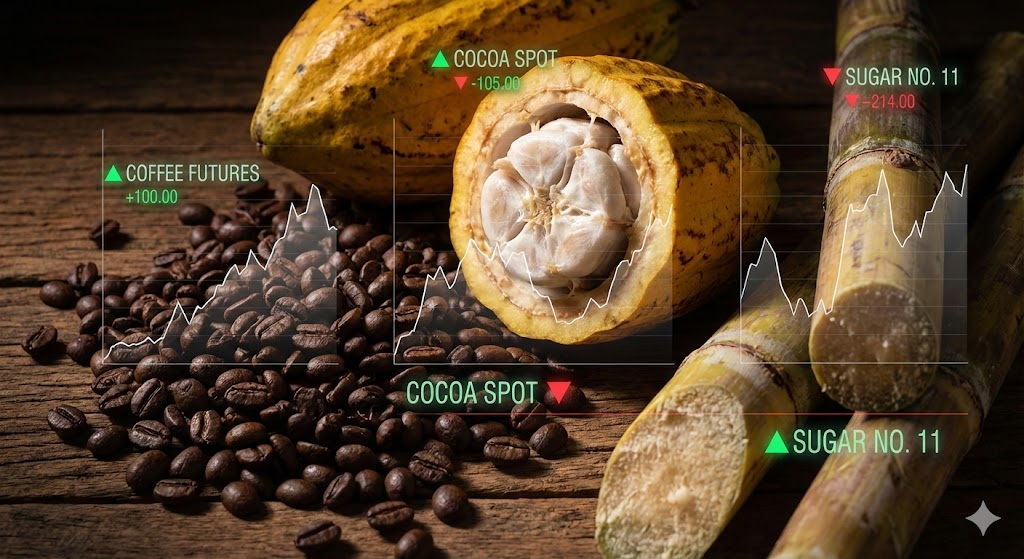
Soft commodities are currently among the most attractive—and risky—segments for investors.
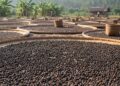
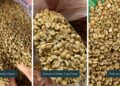
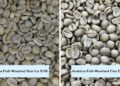
- Coffee markets are exposed to yield volatility in Brazil and Vietnam, with quality differentiation (arabica vs robusta) amplifying price dispersion.
- Cocoa faces a structural supply deficit due to aging trees, disease pressure, and underinvestment in West Africa.
- Sugar prices remain tightly linked to crude oil and ethanol demand, especially in Brazil.
These markets are increasingly influenced by speculative capital, making them suitable for tactical trading strategies rather than passive exposure.
Oilseeds and Vegetable Oils: The Energy-Agriculture Nexus
Soybeans, palm oil, and sunflower oil sit at the intersection of food, feed, and fuel.
- Rising biodiesel demand supports long-term price floors.
- Environmental regulations and deforestation controls constrain supply growth.
- Weather shocks in South America can trigger synchronized price movements across oilseed complexes.
From an investment perspective, vegetable oils provide indirect exposure to energy transition policies, adding diversification beyond traditional fossil fuels.
Financial Conditions: Interest Rates, USD, and Capital Flows
The current high-interest-rate environment reshapes agricultural trading economics:
- Higher financing costs discourage large inventories.
- Strong USD pressures importing nations, increasing price sensitivity.
- Volatility attracts hedge funds and CTA strategies, amplifying short-term price swings.
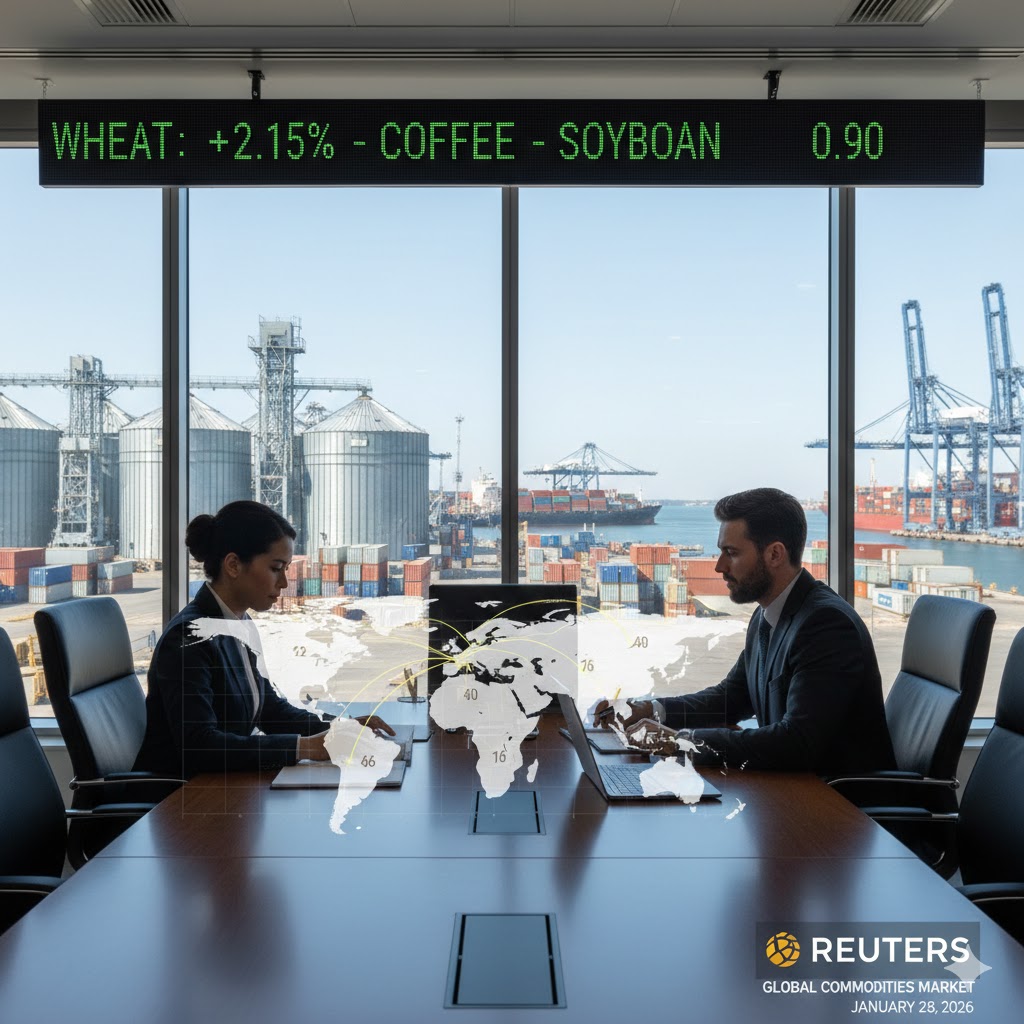
Agricultural commodities are no longer isolated from financial markets; they are deeply embedded in global capital flows.
Structural Shifts: The Long-Term Bull Case for Agriculture
Three structural trends support a long-term constructive outlook:
- Supply concentration risk: Fewer countries dominate exports, increasing systemic vulnerability.
- Sustainability constraints: ESG compliance raises production costs.
- Technological unevenness: Productivity gains lag climate disruption in many regions.
Together, these factors suggest agricultural prices may remain elevated relative to historical averages.
Investor Takeaway
Agricultural markets are transitioning from cyclical to structurally volatile systems. Investors who rely solely on historical seasonality models risk underestimating future price shocks.
Successful strategies will emphasize:
- Active risk management
- Climate and policy monitoring
- Selective exposure to high-volatility soft commodities
- Long-term positioning in food-security-linked assets
In a fragmented and climate-stressed global economy, agriculture is no longer just a necessity—it is a strategic investment theme.