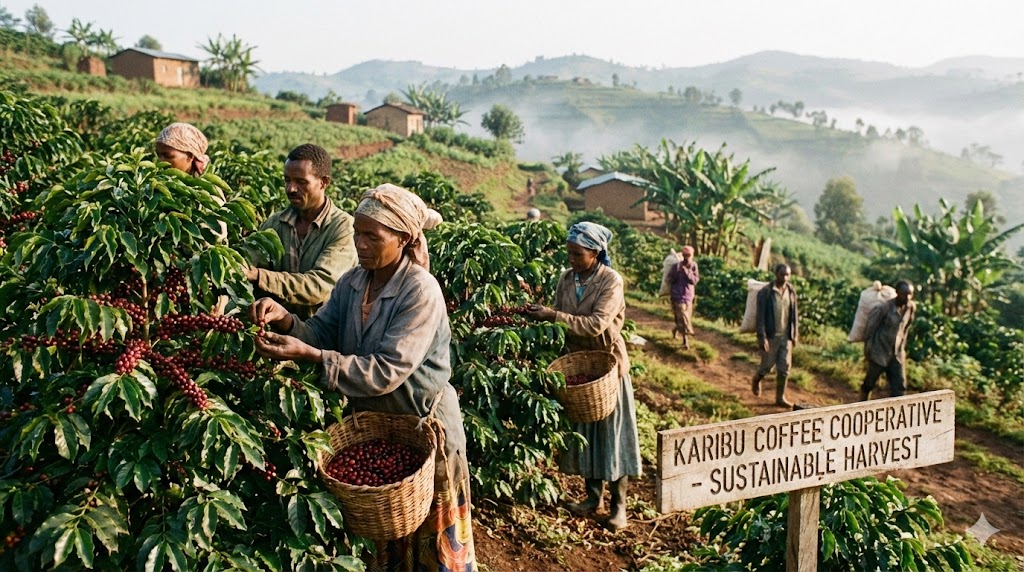
In a strategic move that signals expanded support for coffee-producing regions, the Coffee Quality Institute (CQI) has announced the 2026 iteration of its Global Coffee Fund, aiming to mobilize up to US$500,000 in investments to advance coffee quality, education, and producer resilience around the world. Announced on February 5 at the African Fine Coffees Association and Exhibition, this initiative builds on CQI’s 30-year legacy of work in coffee quality and community engagement, responding to heightened global challenges facing the coffee sector.
A Scaled-Up Vision for Producer Support
Originally launched in 2022 with more modest resources, CQI’s Global Coffee Fund has become a key mechanism for targeted investments in education, capacity building, and community development across coffee origins. After supporting a range of initiatives since its inception — from online training programs to on-site sensory evaluation and post-harvest processing courses — CQI is now significantly scaling its commitment in response to global need.
Under the 2026 plan, the fund will operate through two key components:
- Direct Grant Funding – CQI will continue its core grant program with a commitment of up to US$100,000 to support projects that expand access to coffee education, strengthen educator development, and deliver programming in regions that are underserved or lack local infrastructure.
- Matching Grants for Co-Investment – A new Matching Grant initiative will match external investments dollar-for-dollar up to US$200,000, enabling partners whose missions align with CQI to amplify their impact. This approach could theoretically unlock an additional US$200,000 from industry and partner contributions, driving the fund’s total potential to US$500,000 in 2026.
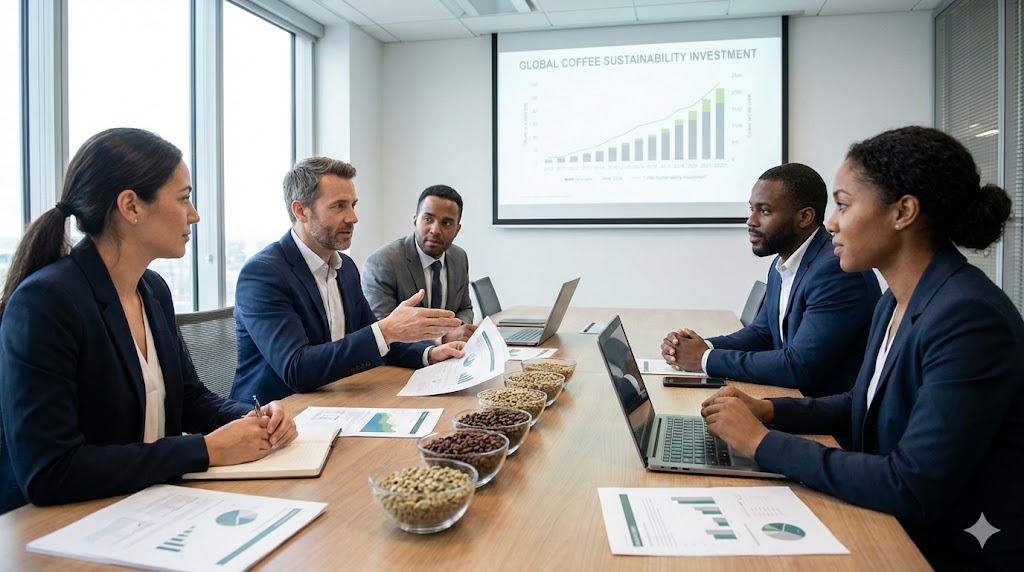
CQI CEO Michael Sheridan highlighted the importance of this expanded approach given current industry trends, noting, “At a time when the public sector is disinvesting in coffee communities, CQI is tripling our commitment to the Global Coffee Fund and inviting the industry to co-invest.” This call to action situates the fund as a rare coordinated effort in an investment climate where traditional funding for coffee development is contracting.
Strategic Timing Amid Industry Shifts
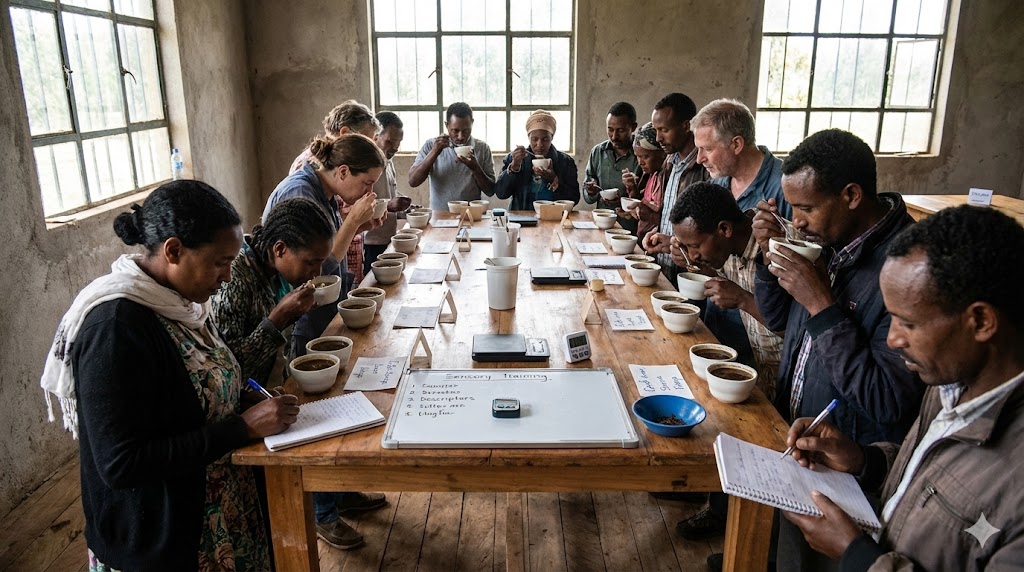
CQI’s funding announcement coincides with a broader moment of transition in the specialty coffee world. After decades administering the widely recognized Q Grader certification — a program that professionalized coffee sensory evaluation — CQI transferred operational control of that flagship education initiative to the Specialty Coffee Association (SCA) in late 2025.
While the licensing transition marked the end of a major chapter, CQI has reaffirmed its renewed focus on post-harvest processing education, producer-centric programming, and network building — areas that are directly tied to the Global Coffee Fund’s objectives. By pivoting away from certification governance and toward producer education and market access, CQI’s strategic direction reflects an industry need for sustainable quality improvements at origin.
What the Funding Means for Coffee Producers
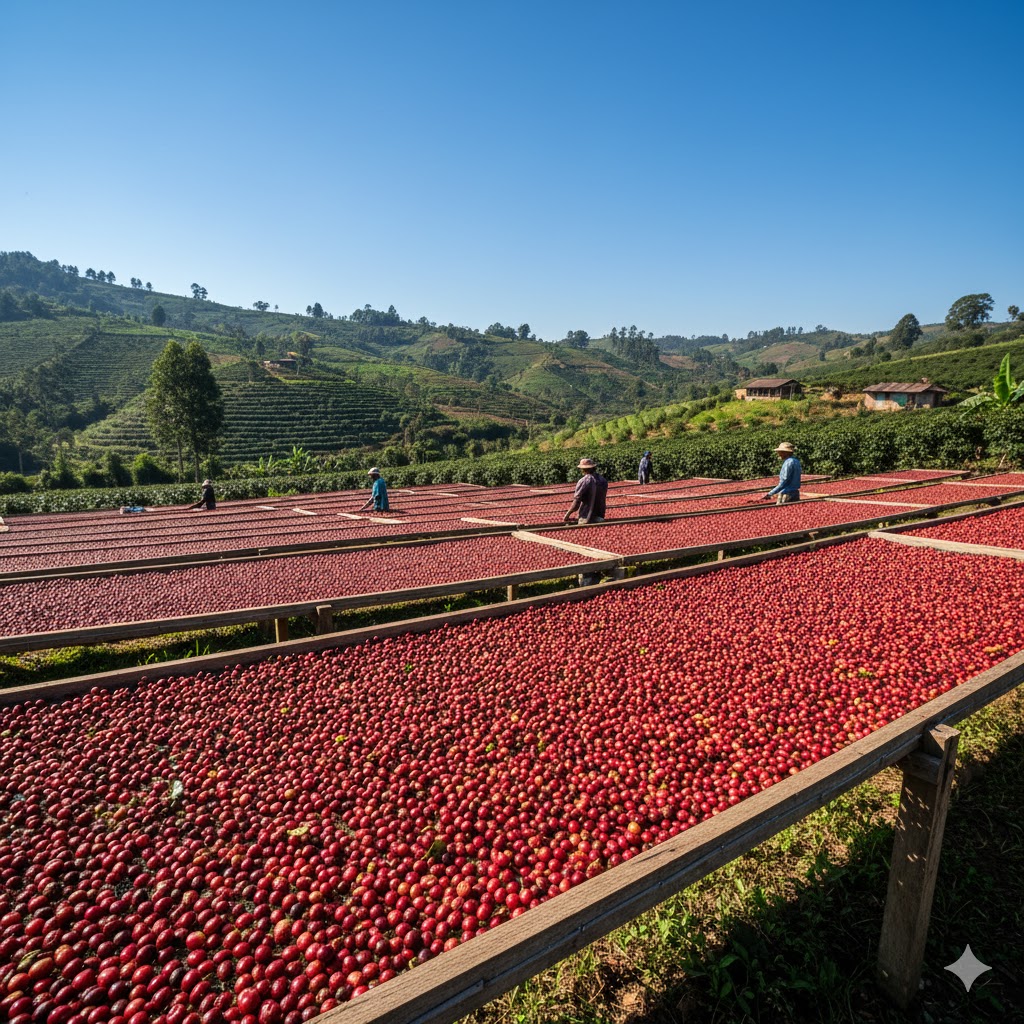
For coffee communities, especially smallholder producers in Africa, Latin America, and Southeast Asia, expanded funding can translate into tangible outcomes:
- Enhanced Skills and Knowledge Transfers: Educational support through scholarships and workshops enables farmers and producer organizations to adopt improved post-harvest practices that can elevate quality and market value.
- Strengthened Local Educator Networks: Professional development for trainers and extension workers means knowledge stays within regions, helping build self-sustaining communities that can independently advance coffee quality.
- Increased Collaboration and Partnerships: The matching grants model encourages co-investment from NGOs, private sector actors, and development agencies, potentially multiplying the impact of each dollar invested.
CQI’s Managing Director of Programs, T.J. Ryan, emphasized this collaborative spirit, stating that the Matching Grant program seeks not just financial leverage, but alignment of shared objectives to build a more resilient coffee sector at the grassroots level.
Broader Industry Context: Investment and Innovation
CQI’s initiative emerges against a backdrop of varied investment trends within the broader coffee sector. While philanthropic and private funding for direct producer support remains constrained, other organizations are pushing forward with major commitments. For example, World Coffee Research and its member companies recently renewed a US$10 million commitment to coffee breeding and agricultural research — highlighting a multi-stakeholder focus on long-term sustainability and supply stability.
Such parallel investments underscore the complexity of the challenges facing coffee producers — from climate pressures and market volatility to infrastructure gaps and access to quality-reinforcing knowledge. In this landscape, CQI’s targeted funding represents a complementary strategy that focuses on empowering producer communities within the supply chain rather than relying solely on top-down interventions.
Looking Ahead
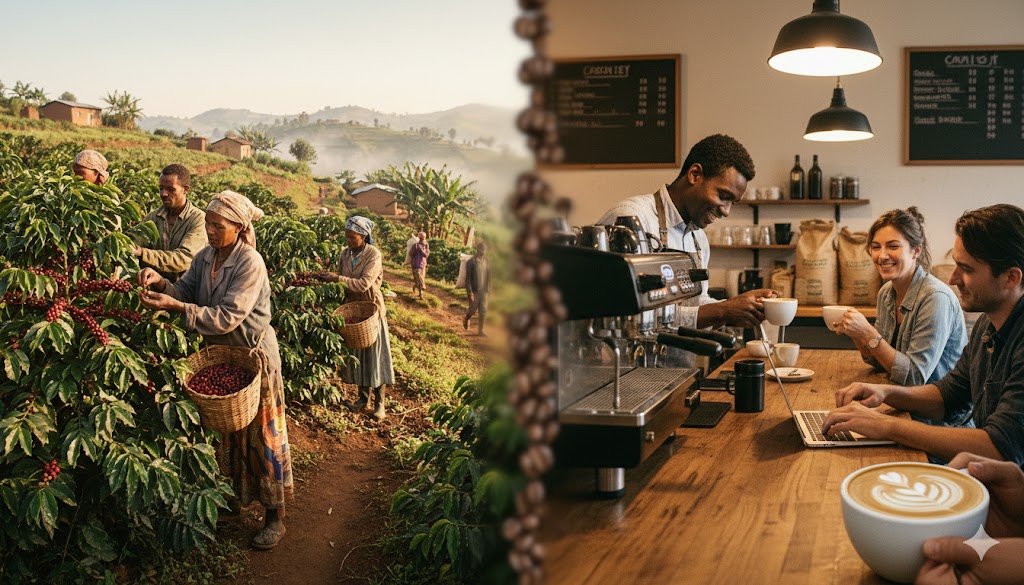
As applications for CQI’s 2026 funding open on a rolling basis, stakeholders across the coffee industry — including producer cooperatives, research institutions, non-profits, and private buyers — have a clear window to engage and co-invest in initiatives that could shape quality outcomes for years to come. With a recommitment to global collaboration, CQI’s expanded Global Coffee Fund aims not only to inject capital into coffee communities but to catalyze lasting capacity that strengthens the entire value chain.
In an era where quality has become synonymous with sustainability and economic resilience, efforts like this signal a renewed industry focus on empowering the people behind the beans — from farm to cup.