Brazil — the world’s largest coffee producer — is increasingly shifting its cultivation focus from Arabica to Robusta beans, driven by environmental pressures and evolving market opportunities. This transition is reshaping global coffee supply dynamics and could have lasting implications for commodity markets.
Climate Change Forces Crop Realignment
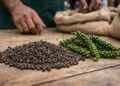
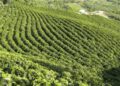
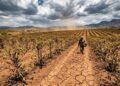
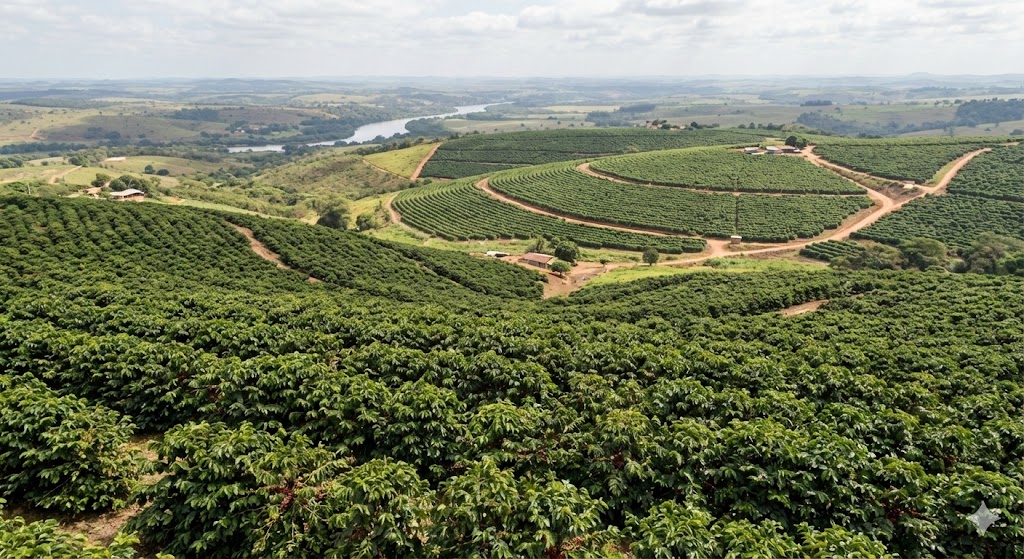
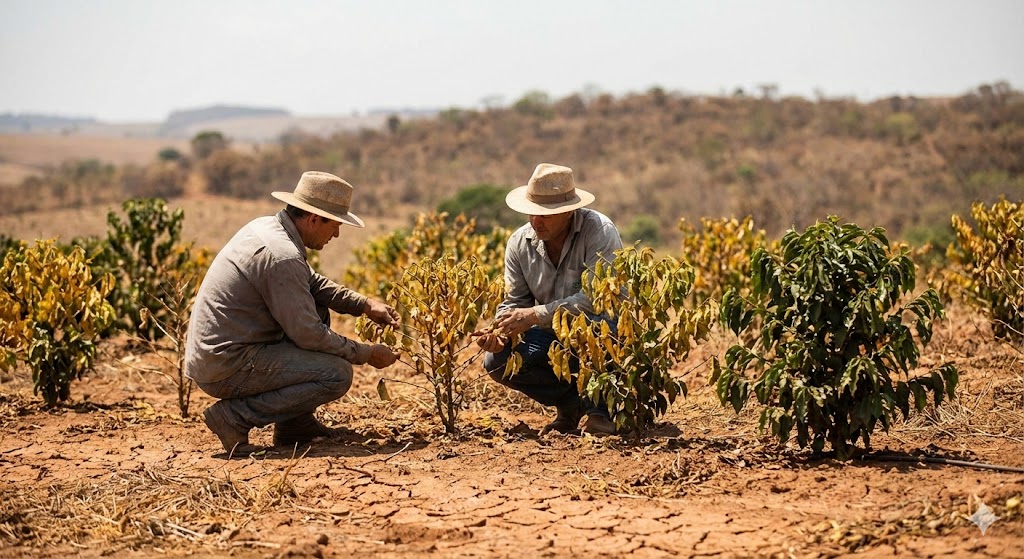
Historically, Brazil has dominated Arabica coffee production, prized for its milder flavor profile and commanding premium prices globally. However, prolonged droughts, rising temperatures and erratic rainfall in key growing regions are straining Arabica yields. Faced with these conditions, many farmers have begun planting Robusta (known locally as Conilon), which offers greater heat and drought tolerance.
According to market analysts, this shift is not primarily demand-driven but a strategic adaptation to climate stress. Robusta’s genetic resilience allows it to withstand conditions that increasingly challenge Arabica cultivation, helping farmers sustain production levels amid environmental volatility.
Production Trends: Robusta on the Rise
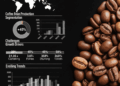
Over the past decade, Brazil’s Robusta output has surged — increasing by more than 80% — compared with modest growth in Arabica production. In the most recent harvest cycle, Robusta volumes jumped nearly 22%, marking a record season for the variety.
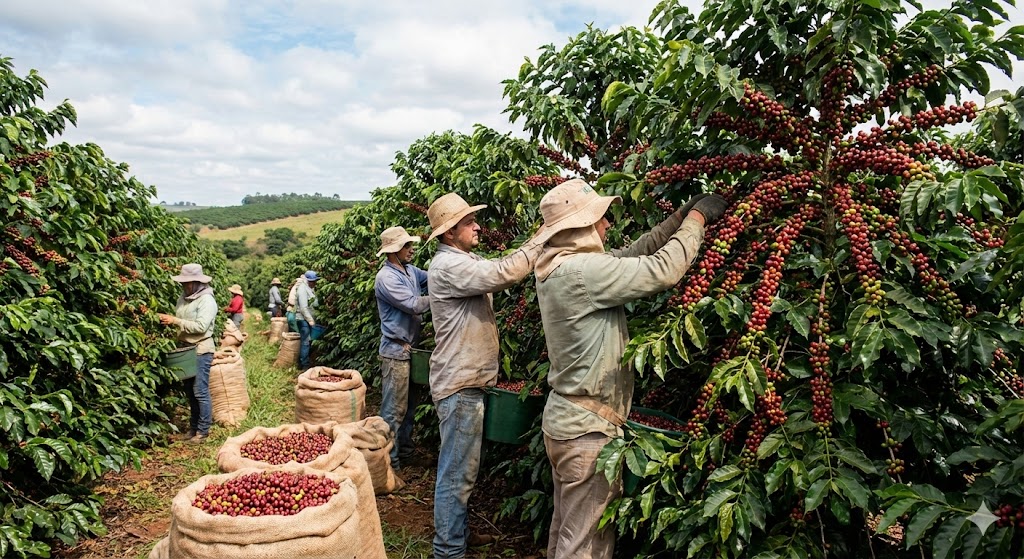
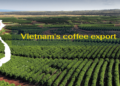
International projections further support this trajectory. A report by Rabobank forecasts Brazil’s Robusta coffee production could reach approximately 24.7 million 60-kg bags in 2025, up from 19 million bags in 2020, positioning Brazil to challenge Vietnam’s long-held lead in the Robusta market.
Yield, Economics and Technical Advantages
Robusta typically yields significantly more per hectare than Arabica — in some cases nearly 170% higher — offering stronger economic incentives for farmers. Although establishing new Robusta plantations requires substantial investment, the higher productivity and quicker return on investment make it an increasingly attractive crop option.
Farmers are also adopting improved cultivation methods, such as integrating native tree cover to retain soil moisture and prevent land degradation — practices that help sustain productivity under harsher weather conditions.
Global Market Implications
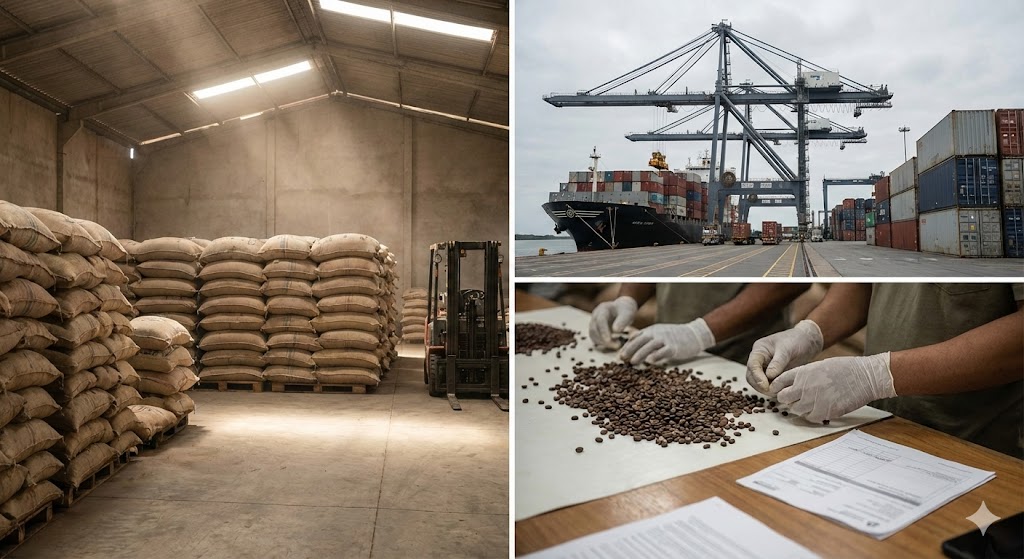
While Vietnam remains the top global producer of Robusta, Brazil’s expanding role is reshaping competitive dynamics. Its well-organized supply chain and potential for large-scale expansion could make it a stabilizing force in global Robusta supply, especially as instant coffee and blended products continue to drive demand.
In Europe, regulatory trends may also favor Robusta’s market position. Instant coffee — which predominantly uses Robusta — is exempt from certain deforestation-related import restrictions, potentially boosting demand for beans compliant with sustainability criteria.
Consumer Perceptions and Quality Improvements
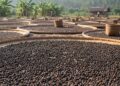
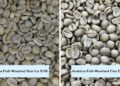
Traditionally viewed as a lower-grade bean compared to Arabica, Robusta’s image is evolving. Improvements in post-harvest processing and quality control are enabling producers to market premium Robusta, appealing to consumers who value fuller body and stronger profiles in espresso blends and specialty brews.
Outlook: Balancing Tradition with Resilience
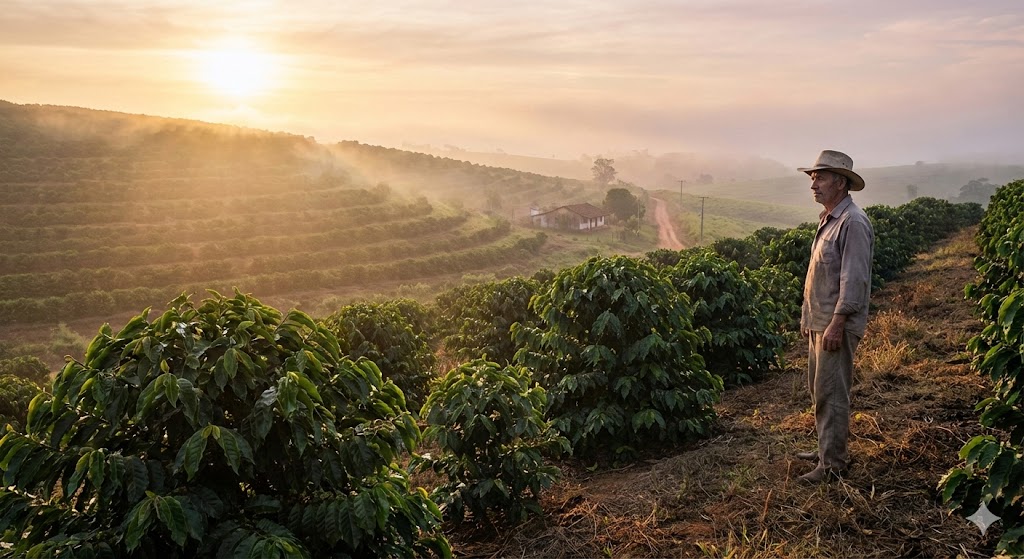
Brazil’s shift toward Robusta reflects a broader trend in global agriculture: aligning crop choices with climatic realities while capitalizing on emerging market trends. As environmental pressures persist, Robusta’s role in Brazil — and global coffee markets — is likely to grow, offering a hedge against climate risk and contributing to supply resilience.