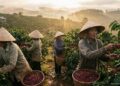
Global arabica coffee markets are heading into 2026 under heightened uncertainty, as climate-related supply risks, structurally tight inventories and shifting demand patterns continue to shape price direction, according to traders, roasters and industry analysts.
After several seasons of weather disruptions in key producing regions, the arabica market remains vulnerable to further shocks, keeping futures prices sensitive to even modest changes in crop outlooks.
Climate Volatility Keeps Supply at Risk
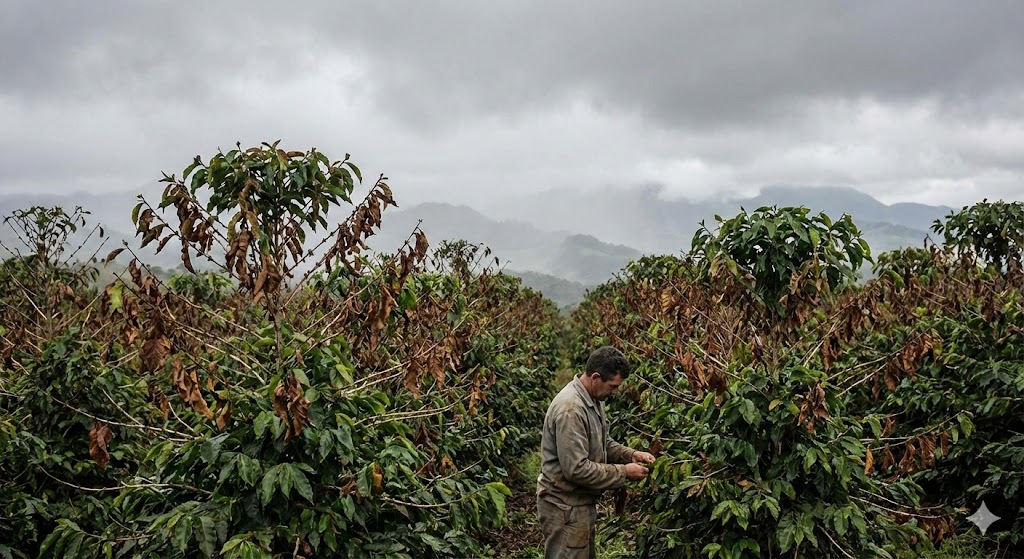
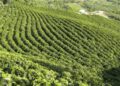
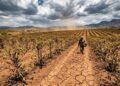
Arabica production, heavily concentrated in Brazil, Colombia and Central America, continues to face mounting pressure from irregular rainfall, higher temperatures and increased disease risk. While Brazil’s 2026/27 crop cycle is expected to benefit from off-year recovery in some areas, analysts caution that climate volatility has reduced yield predictability.
Market participants note that even with normal weather, output growth may struggle to keep pace with long-term demand due to:
- Aging coffee trees
- Rising replanting costs
- Limited expansion of high-altitude arabica areas
As a result, global arabica supply is expected to remain structurally tight through 2026, leaving little buffer against adverse weather events.
Stocks Remain Thin, Supporting Prices
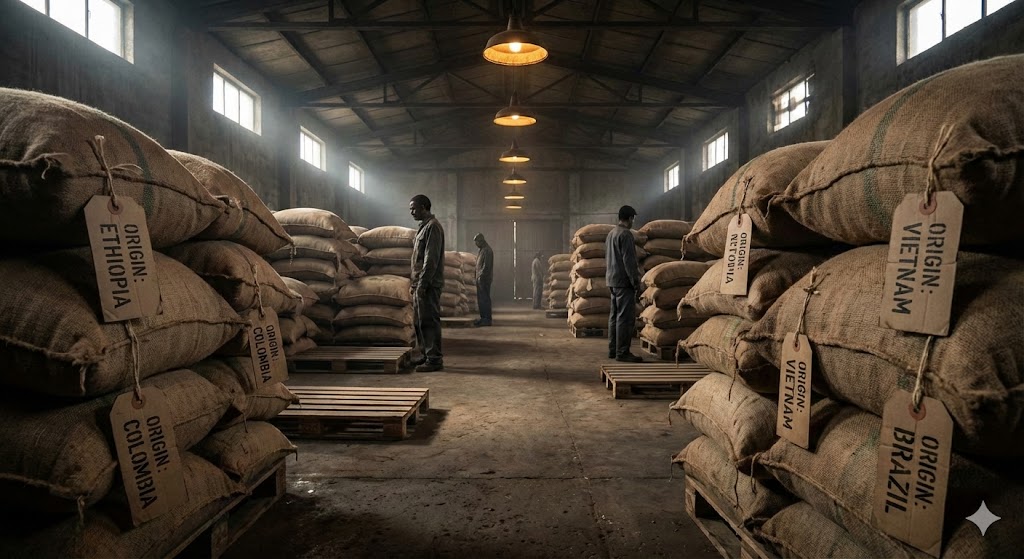
Certified arabica inventories monitored by major exchanges have shown limited recovery, reinforcing concerns over supply availability. Low stock levels mean roasters are increasingly dependent on spot market purchases, amplifying price volatility during periods of supply stress.
Traders say this dynamic has shifted market behavior, with:
- Faster reaction to weather forecasts
- Increased use of options for price protection
- Shorter-term procurement strategies among roasters
Demand Holds Steady Despite Price Pressure

On the demand side, consumption growth in mature markets remains modest, but emerging economies and premium coffee segments continue to expand, particularly in Asia and the Middle East.
Despite elevated prices, arabica demand has proven relatively resilient, supported by:
- Premiumization trends in specialty coffee
- Strong out-of-home consumption recovery
- Brand loyalty in high-end retail channels
However, some large roasters are increasingly adjusting blends, incorporating higher proportions of Robusta or Fine Robusta to manage costs, a trend expected to continue into 2026.

Market Outlook for 2026
Looking ahead, analysts expect arabica prices in 2026 to remain range-bound but highly volatile, with upside risks dominating during periods of adverse weather or logistical disruption.
Key factors to watch include:
- Brazilian weather patterns during critical flowering and cherry development stages
- Currency movements in producing countries
- The pace of demand substitution toward Robusta
While a sustained price collapse appears unlikely without a significant supply surplus, downside risks could emerge if favorable weather coincides with slowing global consumption.
Structural Shift Underway
Beyond short-term price movements, the arabica market is undergoing a structural adjustment, as climate constraints limit supply growth while consumer expectations for quality remain high.
For producers, traders and roasters, 2026 is shaping up as another year requiring active risk management, rather than reliance on historical production cycles.