The Coffee Market Faces an Unusual Supply Contradiction
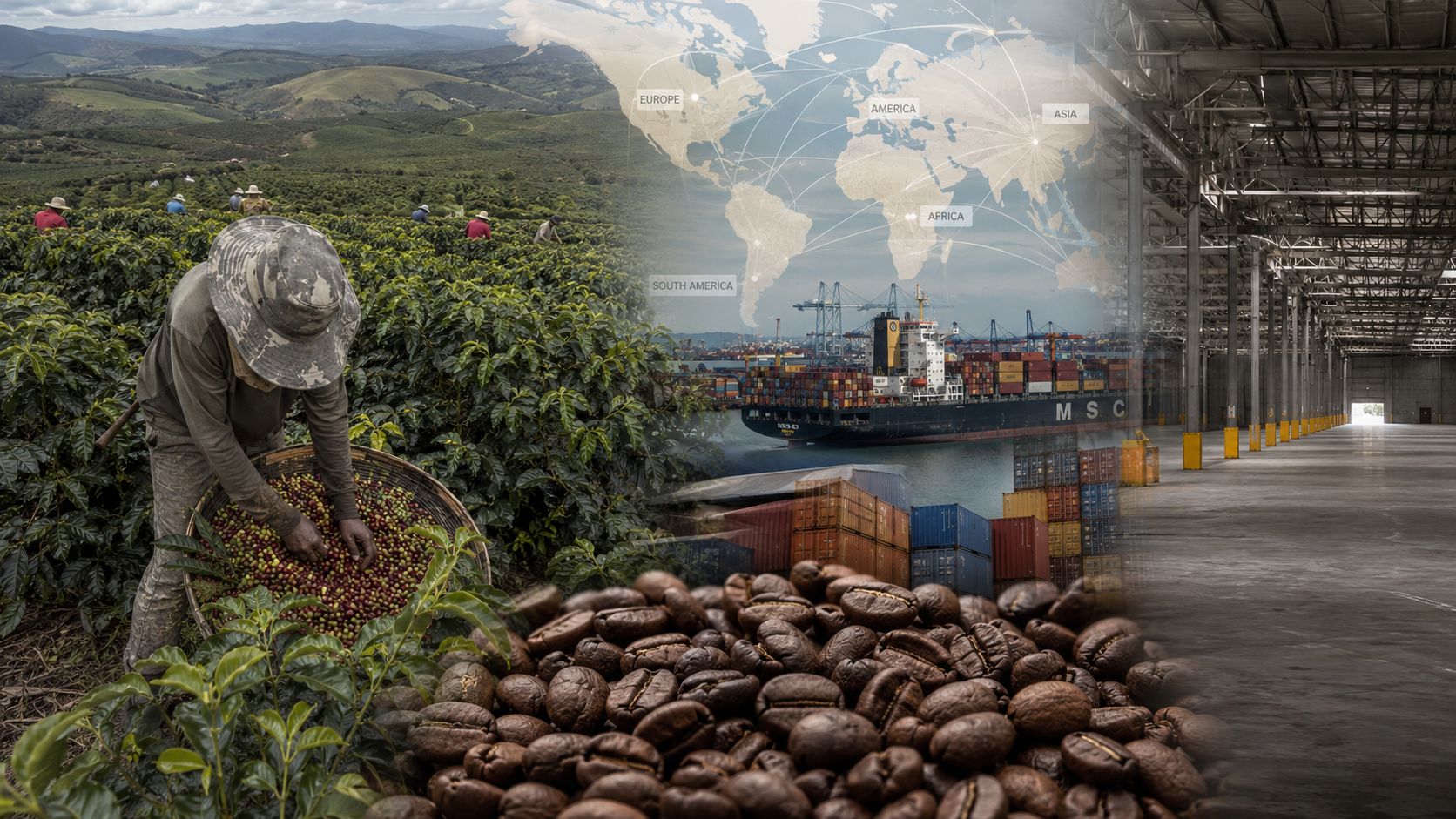
The global coffee industry is entering one of its most complex market environments in recent years. On one side, coffee inventories across major consuming regions remain historically low. On the other, Brazil is expected to deliver one of the largest coffee harvests ever recorded, raising hopes of improved supply availability in the 2025/26 season.
This apparent contradiction is creating significant uncertainty for traders, roasters, importers, and exporters worldwide. While future supply prospects appear increasingly favorable, immediate market conditions continue to be influenced by tight physical availability and strong demand.
As a result, coffee prices remain elevated despite expectations of a larger crop from the world’s largest coffee-producing nation.
Global Coffee Inventories Remain Critically Tight
Coffee inventories play a vital role in balancing global supply and demand. Over the past several years, adverse weather conditions, logistical disruptions, and lower-than-expected harvests in key producing countries have significantly reduced available stocks.
Today, many coffee-consuming markets continue operating with limited inventory buffers. Roasters and importers are maintaining active purchasing strategies to secure supply for future production cycles, particularly amid ongoing concerns regarding climate-related risks.
Low inventory levels mean that even positive production forecasts may not immediately translate into lower prices. Physical coffee availability remains a key market driver, supporting prices despite growing optimism about future harvests.
Brazil’s Record Harvest Expectations Could Reshape Supply Dynamics
Brazil continues to dominate global coffee production, accounting for roughly one-third of the world’s total output. Current forecasts suggest the country could deliver another exceptionally large harvest during the 2025/26 season.
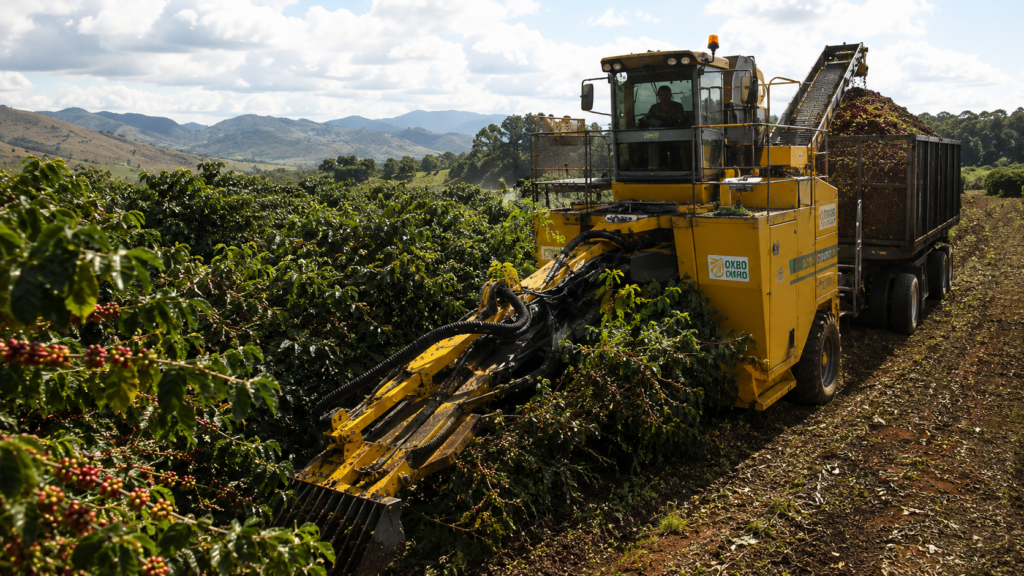
Particularly noteworthy is the continued expansion of Brazil’s Robusta (Conilon) production. Improved farming practices, favorable weather conditions, and investments in agricultural technology have enabled Brazilian producers to achieve record productivity levels.
The anticipated increase in Robusta supply is attracting considerable attention from international roasters. As production costs remain a major concern across the food and beverage industry, many manufacturers are increasing Robusta usage in blends to optimize costs while maintaining product quality.
Should Brazil achieve the expected harvest volume, global coffee supply conditions could improve significantly during the second half of 2026.
Why Coffee Prices Have Not Declined Yet
Despite optimistic production forecasts, coffee prices remain supported by several underlying factors.
Bullish Factors Supporting Prices
- Historically low global coffee inventories
- Continued growth in worldwide coffee consumption
- Active procurement strategies among major roasters
- Ongoing climate risks affecting future crop potential
- Supply chain uncertainties across producing regions
Bearish Factors Pressuring Prices
- Expectations of a record Brazilian harvest
- Rising global Robusta availability
- Improved production forecasts across multiple coffee origins
- Potential supply-demand rebalancing during the upcoming season
The interaction between these opposing forces is preventing the market from establishing a clear long-term direction. Instead, coffee prices continue to reflect both current supply constraints and future production expectations.
What This Means for Vietnam’s Coffee Industry
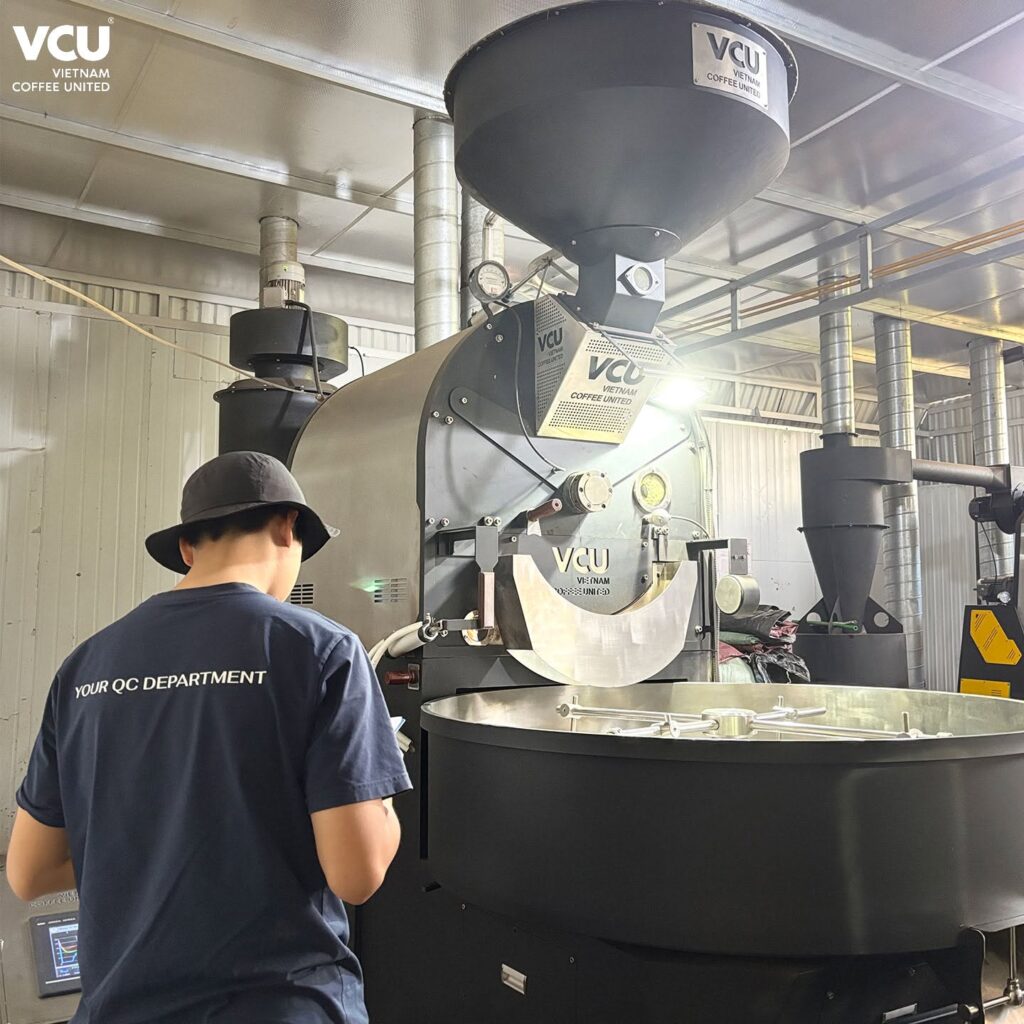
For Vietnam, the world’s leading Robusta exporter, current market conditions present both opportunities and strategic challenges.
Opportunities
Strong coffee prices continue to support export revenues and profitability. At the same time, increasing global demand for Robusta creates favorable conditions for Vietnamese coffee exporters to strengthen their market position.
The growing acceptance of Robusta in specialty blends, ready-to-drink beverages, and instant coffee manufacturing further expands market opportunities for Vietnamese suppliers.
Challenges
Brazil’s rapid expansion of Robusta production is intensifying competition in key export markets. Companies that rely solely on green bean exports may face increasing pricing pressure as additional supply enters the market.
To remain competitive, Vietnamese coffee businesses must accelerate their transition toward higher-value segments, including:
- Roasted coffee products
- Instant coffee manufacturing
- OEM and private label solutions
- Sustainable coffee programs
- Traceable supply chains
- Specialty coffee offerings
- Branded consumer products
The Future of Coffee: Competing on Value Rather Than Volume

The next decade of the coffee industry is unlikely to be defined solely by production volumes. Instead, competitive advantage will increasingly depend on value creation, product differentiation, sustainability, and supply chain transparency.
As global supply gradually stabilizes, businesses capable of delivering integrated solutions—from sourcing and processing to branding and retail-ready products—will be best positioned for long-term growth.
For coffee-producing nations such as Vietnam, the opportunity is clear: move beyond raw commodity exports and establish a stronger presence across the global coffee value chain.
The companies that successfully make this transition will not only benefit from higher margins but also strengthen their resilience against future commodity market volatility.
In an increasingly competitive market, the future of coffee belongs not to those who produce the most beans, but to those who create the most value from every bean they produce.