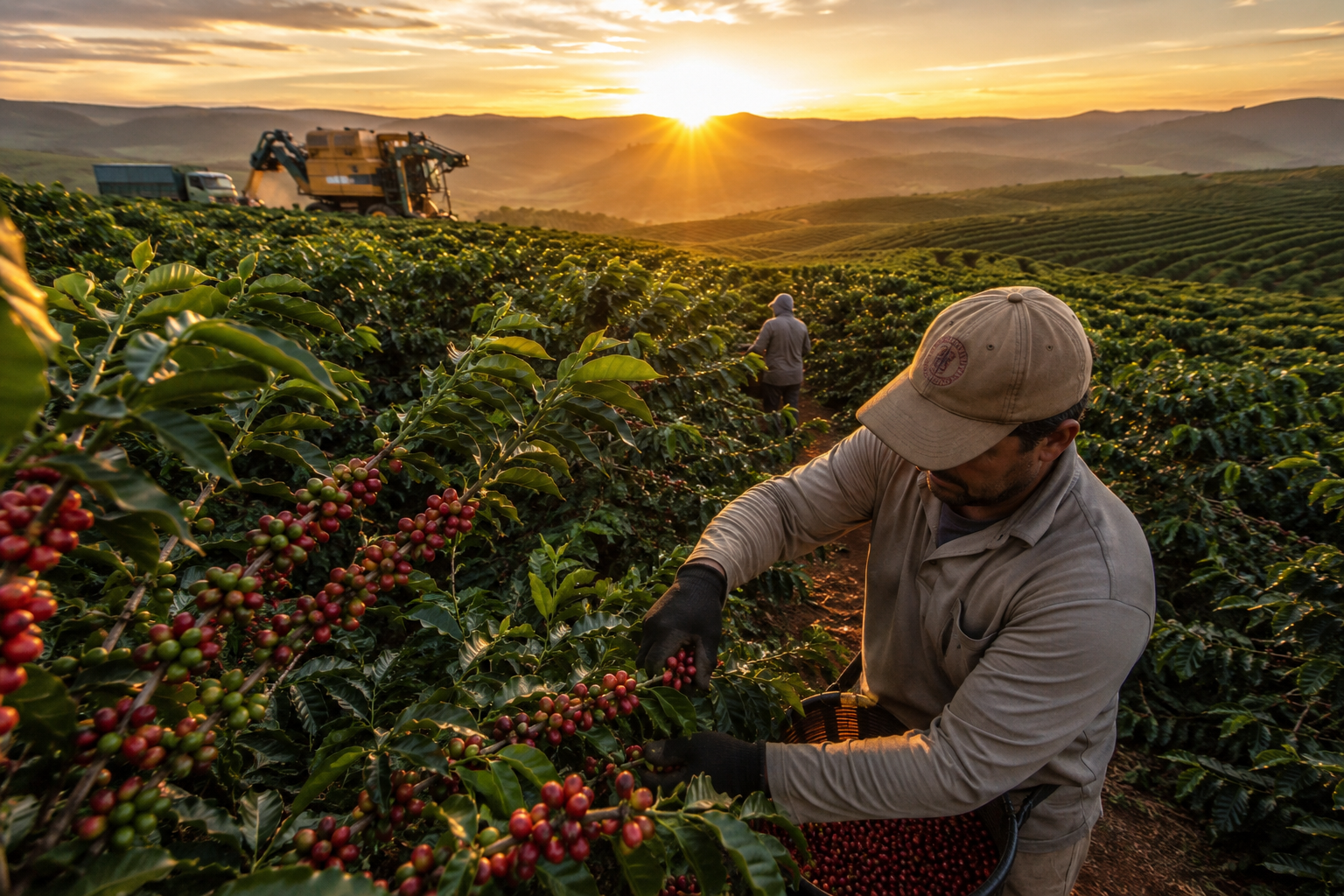
As the global coffee industry continues to navigate one of its most volatile periods in decades, fresh projections from Brazil are providing a potentially significant shift in market sentiment. According to commodity trading firm EISA, Brazil could export a record volume of coffee during the 2026/27 crop year, helping ease supply concerns that have driven prices sharply higher over the past two years.
However, while larger exports may bring short-term relief to the market, traders remain cautious as emerging El Niño risks could once again reshape global coffee supply expectations.
Brazil Poised for Record Coffee Exports
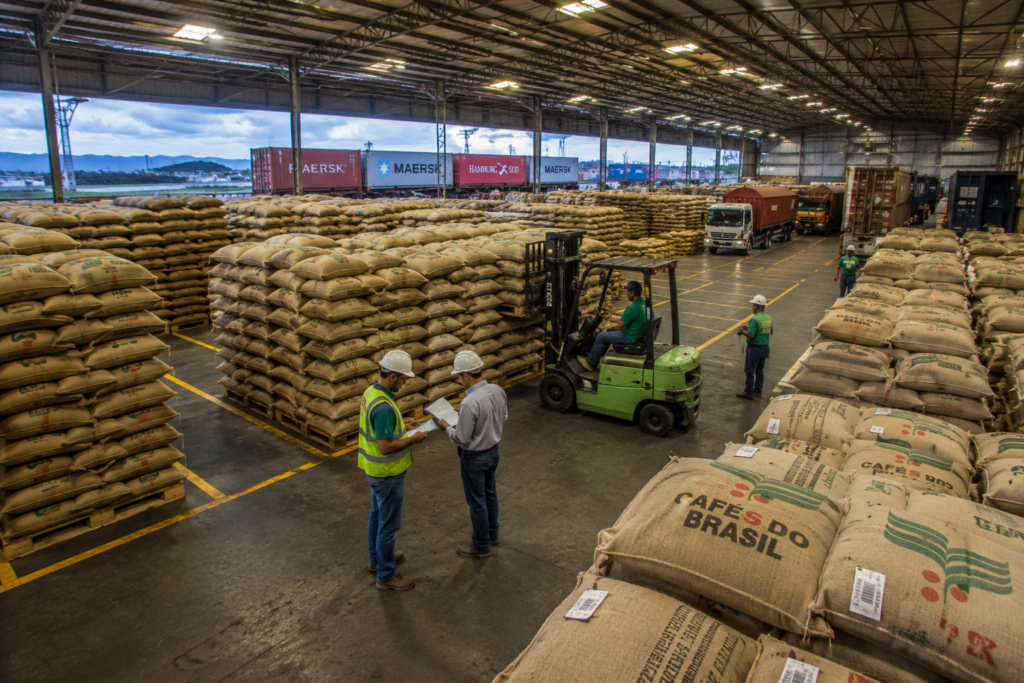
Brazil, the world’s largest coffee producer and exporter, is expected to export approximately 50 million 60-kg bags of green coffee in the upcoming 2026/27 season. If achieved, this would surpass the previous export record of 46.3 million bags set in 2024.
The forecast is supported by expectations for a robust Brazilian harvest estimated at around 75.8 million bags, placing the crop among the largest ever recorded. Improved weather conditions, stronger agricultural investment, and recovery from previous drought-related challenges have all contributed to the optimistic outlook.
For the global market, this represents a substantial increase in available supply from a country responsible for roughly one-third of worldwide coffee production.
Harvest Pressure Could Accelerate Coffee Flows
Brazil’s harvest has only recently begun, with approximately 5% of the crop collected so far. Nevertheless, market participants expect producer selling activity to increase significantly over the coming months.
One factor encouraging sales is the current backwardation structure in coffee futures markets, where nearby contracts trade at premiums to longer-dated futures. Such market conditions often incentivize farmers and exporters to move physical coffee more aggressively rather than holding inventories.
Combined with historically elevated coffee prices, many Brazilian growers are expected to capitalize on attractive margins by selling larger volumes during the harvest season.
Should these expectations materialize, global coffee buyers may see improved availability throughout the second half of 2026, particularly across key consuming regions such as North America, Europe, and Asia.
Global Inventories Could Finally Begin Rebuilding
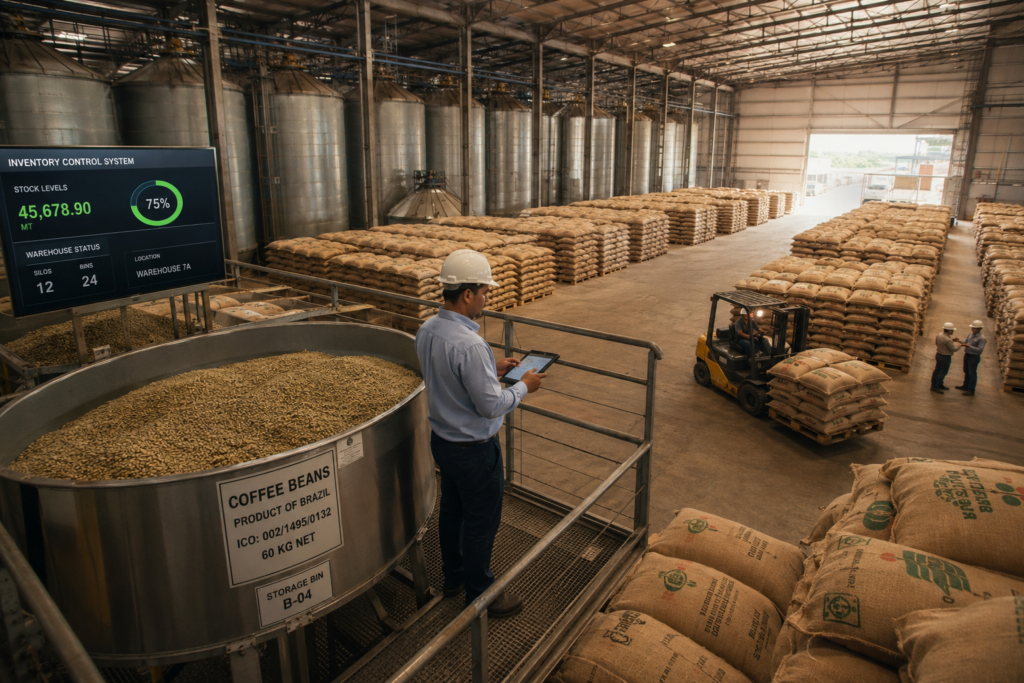
Over the last two years, the coffee market has faced repeated supply disruptions caused by:
- Severe drought conditions in Brazil
- Reduced Robusta production in Vietnam
- Historically low certified exchange inventories
- Elevated logistics and financing costs
These factors contributed to one of the tightest coffee supply environments in recent history, pushing Arabica and Robusta prices to multi-year highs.
The arrival of larger Brazilian export volumes could begin reversing this trend by:
- Replenishing depleted inventories
- Improving physical market liquidity
- Reducing immediate supply concerns
- Limiting speculative pressure driven by scarcity fears
While inventory rebuilding will likely take time, the market may gradually transition from acute shortage conditions toward a more balanced supply-demand environment.
El Niño Emerges as the Market’s Next Major Risk
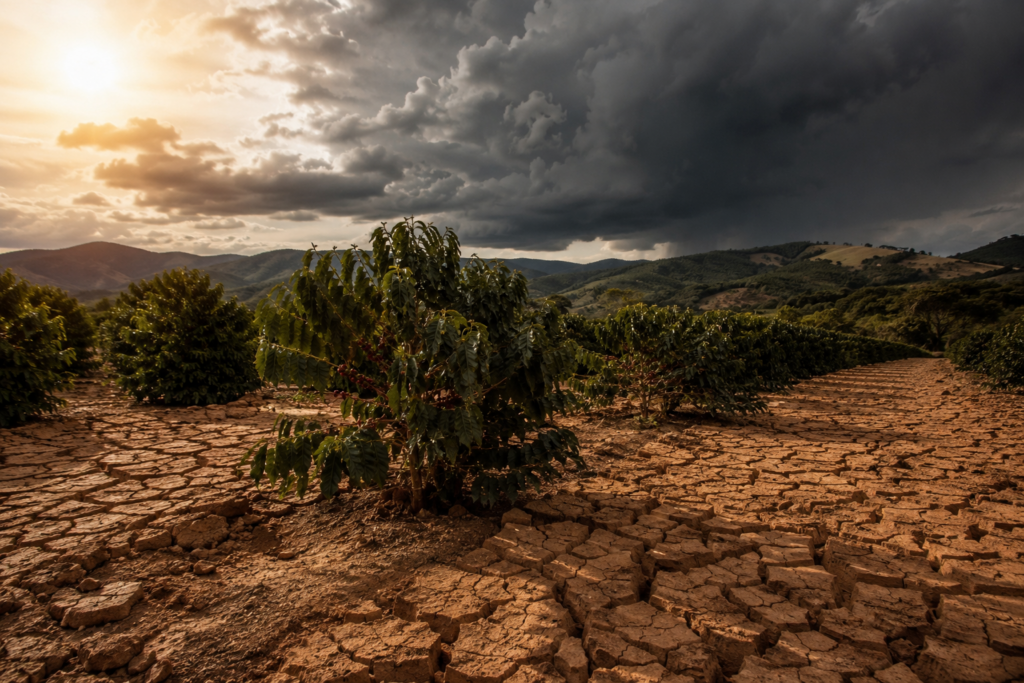
Despite the bullish supply outlook for the current season, weather remains the dominant long-term variable.
Commodity analysts are increasingly monitoring the potential development of El Niño conditions during the second half of 2026, particularly because of its possible impact on Brazil’s next production cycle.
El Niño presents a complex scenario for coffee growers.
Potential Benefits
- Higher temperatures may reduce frost risks in southern Brazilian coffee regions.
- A lower probability of damaging cold events could protect productive capacity.
Potential Risks
- Excessive heat during flowering periods could affect fruit set and bean development.
- Yield potential for the 2027/28 crop could be reduced.
- Future supply uncertainty may return to the market sooner than expected.
As a result, weather forecasts during the Brazilian flowering season between September and October will likely become one of the most closely watched indicators for coffee traders worldwide.
Implications for Arabica and Robusta Prices
Arabica Market
As the dominant producer of Arabica coffee, Brazil’s larger crop naturally creates downward pressure on futures prices.
However, several factors may limit any significant price decline:
- Global inventories remain relatively low
- Weather risks are still unresolved
- Consumption demand remains resilient
- Investment funds continue to monitor supply risks closely
Consequently, any price correction could prove moderate rather than triggering a prolonged bearish cycle.
Robusta Market
The outlook for Robusta is somewhat different.
Although Brazil continues expanding production of Conilon (Robusta), Vietnam remains the world’s largest Robusta supplier and a critical source for the instant coffee industry.
If Vietnamese production growth remains limited, Robusta prices could retain substantial support despite improved Arabica availability.
This divergence may continue influencing blending strategies among roasters and maintain elevated premiums across portions of the Robusta market.
What This Means for Vietnam’s Coffee Industry
For Vietnam’s exporters, traders, and processors, Brazil’s anticipated export surge creates both challenges and opportunities.
Challenges
- Greater competition in international markets
- Increased supply availability for global buyers
- Potential downward pressure on benchmark coffee prices
- Narrower export margins if futures markets weaken
Opportunities
- Global inventory replenishment still requires substantial coffee volumes
- Coffee prices remain significantly above long-term historical averages
- Weather-related risks continue supporting market volatility
- Vietnamese Robusta remains strategically important for soluble coffee manufacturing and commercial blends
As long as global demand remains stable and weather uncertainty persists, Vietnam is likely to retain a strong position within the international coffee trade.
Market Outlook

The prospect of Brazil exporting 50 million bags of coffee in the 2026/27 season marks a potentially important turning point for the global coffee market.
While larger supplies should help ease immediate shortage concerns, they do not necessarily signal the beginning of a sustained bear market. Weather uncertainty, low inventories, and ongoing demand growth continue to provide meaningful support for prices.
Over the next 6 to 12 months, coffee prices will likely be shaped by two opposing forces:
1. Expanding Brazilian supply putting downward pressure on prices.
2. El Niño-related weather risks and historically low inventories providing price support.
The result may be a market transitioning away from extreme scarcity but remaining highly sensitive to weather developments and supply disruptions. In other words, volatility is likely to remain a defining characteristic of the global coffee market throughout late 2026 and into 2027.