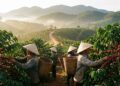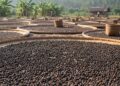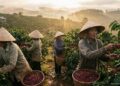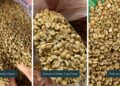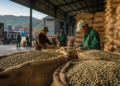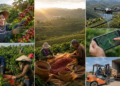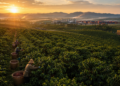
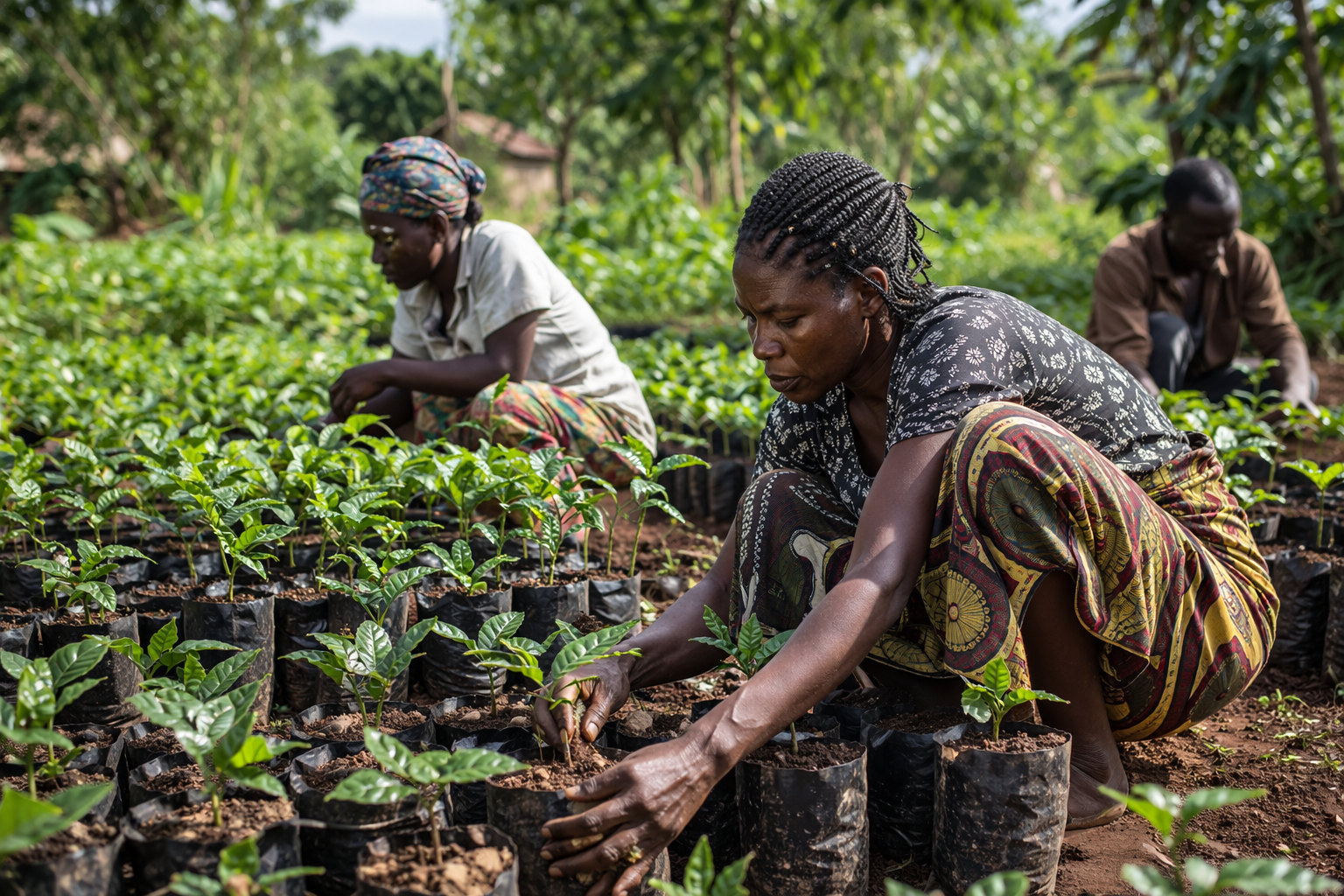
Africa has always been a paradox in the global coffee map.
It is the birthplace of coffee, a region rich in biodiversity, terroir, and cultural heritage. Yet, for decades, its production systems have struggled with low productivity, aging trees, disease pressure, and fragmented supply chains. Nowhere is this tension more visible than in Uganda — Africa’s largest coffee exporter, sitting on massive untapped potential.
But a new coalition may be about to change that narrative.
A €850,000 co-investment initiative led by United Nations Industrial Development Organization (UNIDO) and World Coffee Research (WCR), alongside industry heavyweights like Lavazza Foundation, The J.M. Smucker Company, and JDE Peet’s, signals a critical shift: the future of coffee is no longer just about trade – it is about genetics, resilience, and system-level transformation.
The Real Problem: Coffee Doesn’t Fail at the Cup – It Fails at the Seed
For most consumers, coffee quality is judged at the cup.
But in origin countries like Uganda, the real bottleneck begins much earlier – at the seed system.
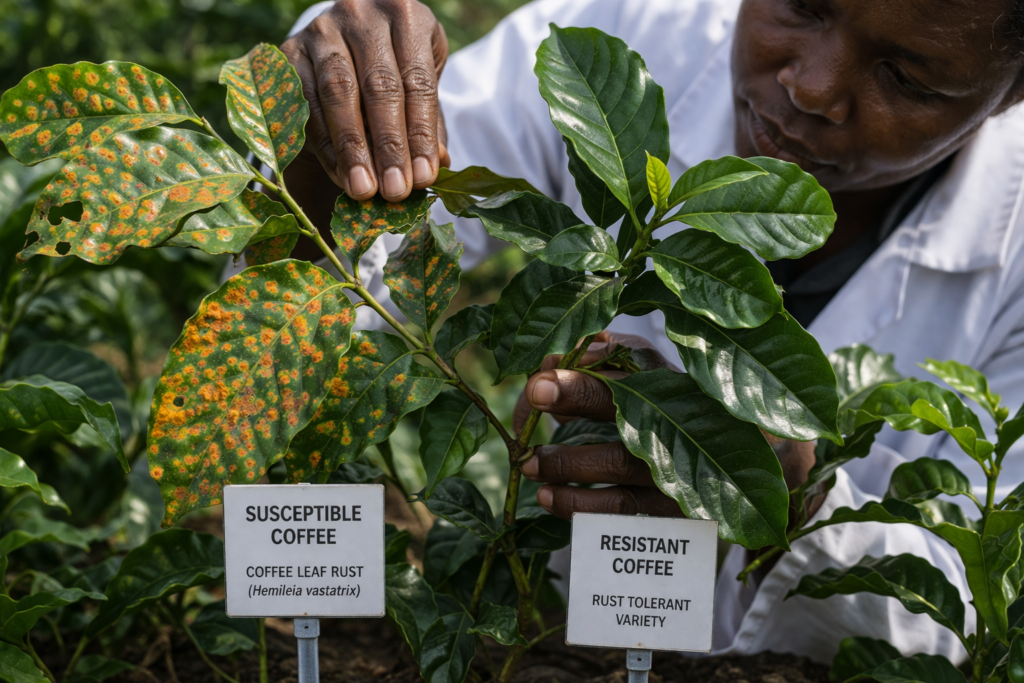
Poor access to high-quality planting material has long limited farmer productivity. Trees are often genetically inconsistent, vulnerable to diseases like coffee wilt disease (CWD) and leaf rust, and increasingly exposed to climate stress. The result? Low yields, unstable income, and a fragile supply chain.
This is where the new initiative draws a clear line in the sand.
Instead of focusing solely on downstream value (processing, branding, export), the program targets the upstream foundation: planting material systems — arguably the most overlooked but high-leverage component in coffee sustainability.
A System-Level Intervention, Not Just Another Development Project
This is not a typical aid program.
It is a public – private coalition designed to rebuild the biological infrastructure of coffee production.
Over the next three years, the initiative will:
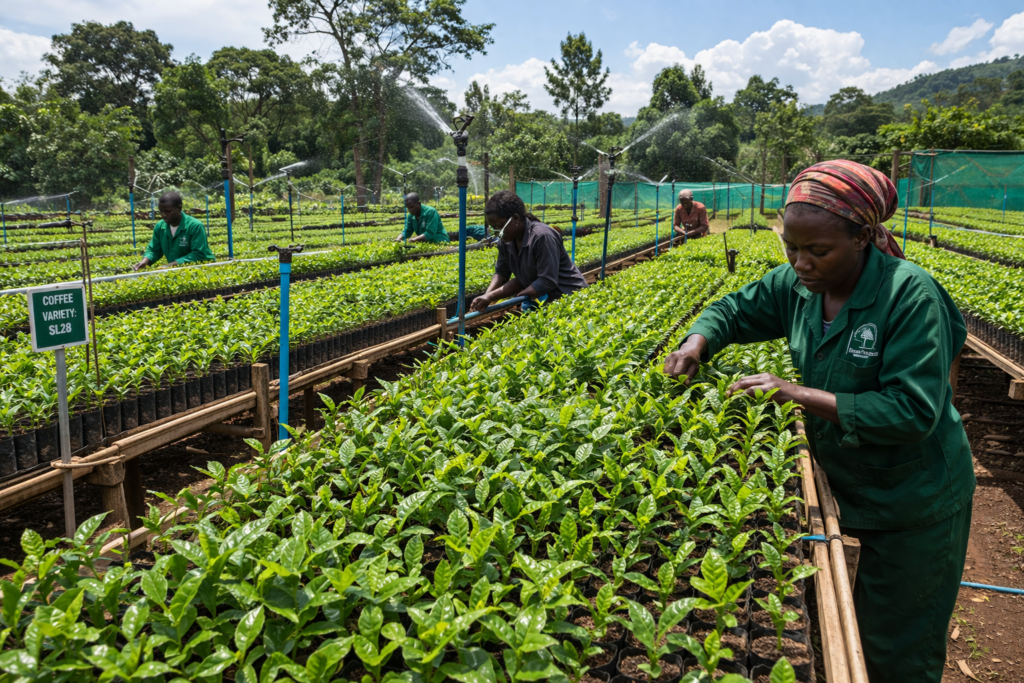
- Establish robusta mother gardens and nurseries across key regions
- Produce up to hundreds of thousands of high-yield, disease-resistant trees annually
- Use genotyping technology to ensure genetic purity and consistency
- Develop demonstration plots to accelerate farmer adoption
- Strengthen local technical capacity through partnerships with national institutions
This is important because scaling coffee productivity is not just about distributing seedlings – it’s about ensuring those seedlings are genetically reliable, climate-resilient, and economically viable.
And that requires science, not guesswork.
Why This Matters: Economics, Not Just Agriculture
The implications go far beyond farming techniques.
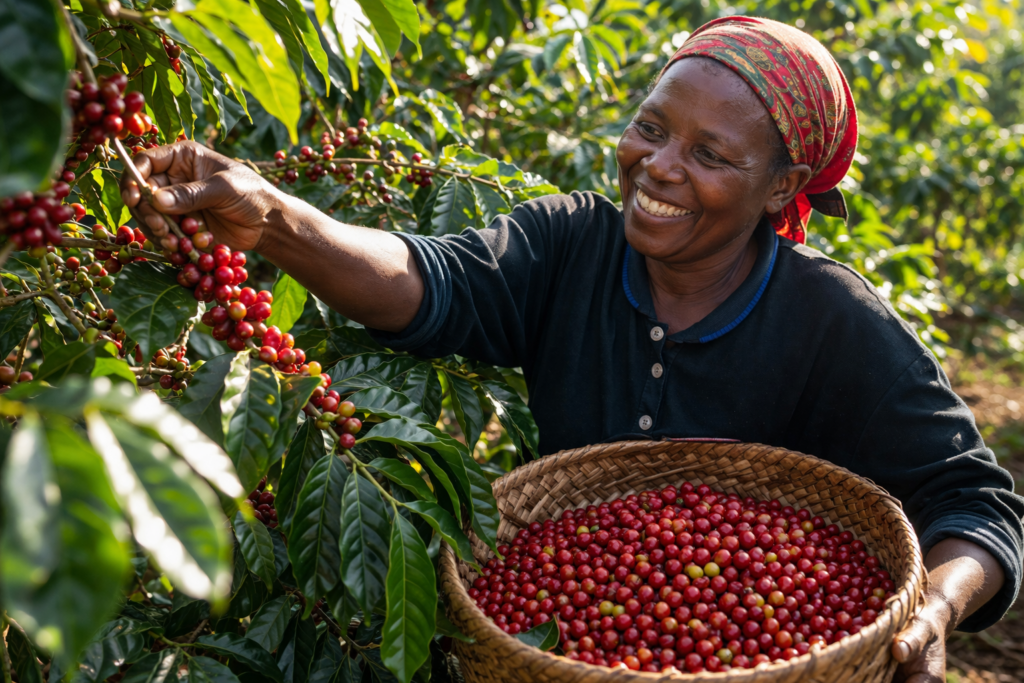
Research shows that switching to improved, disease-resistant varieties can increase smallholder farmer profits by up to 250%.
That is not marginal improvement – that is structural transformation.
In a country where coffee is a major export and livelihood backbone, this kind of yield and income uplift has cascading effects:
- Stronger rural economies
- More stable supply for global buyers
- Reduced vulnerability to climate shocks
- Increased competitiveness in the global coffee market
In short, better seeds translate into better economics.
The Strategic Play: Securing the Future of Coffee Supply
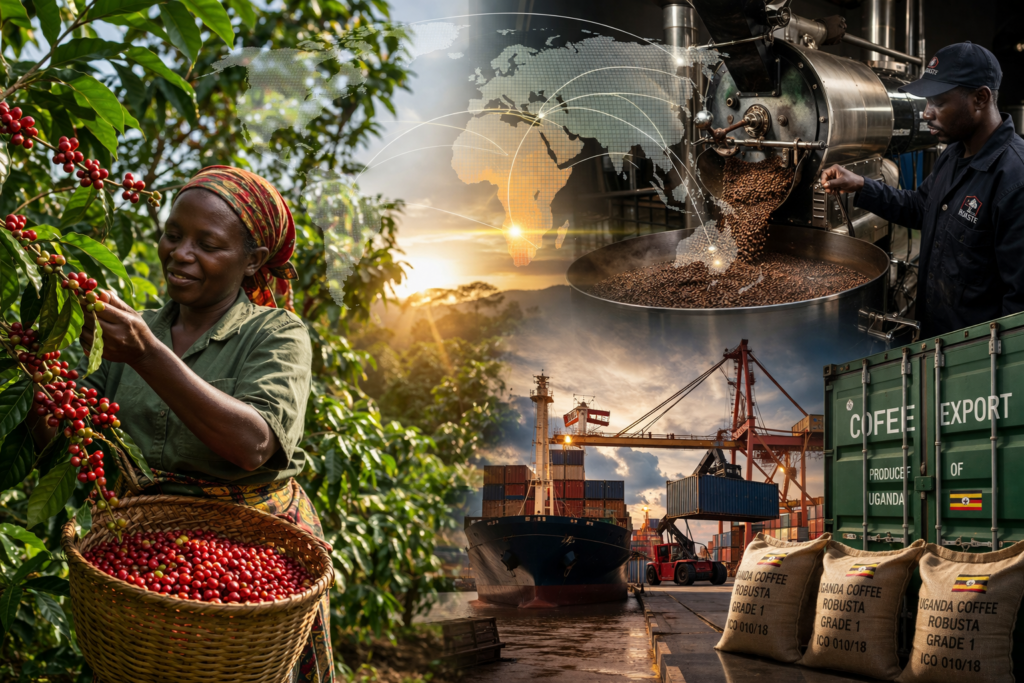
Zoom out, and the strategic intent becomes even clearer.
Global coffee demand continues to grow, while supply faces mounting threats from climate change, disease outbreaks, and aging plantations. Africa – and Uganda in particular – represents one of the few regions with the capacity to expand production sustainably.
But expansion without system reform would only replicate existing inefficiencies.
This initiative is different because it aligns with a broader shift in the industry:
from volume-driven expansion to resilience-driven growth.
By investing in seed systems, stakeholders are effectively future-proofing supply chains – ensuring that coffee production remains viable not just in the next harvest, but in the next decade.
As UNIDO’s programme leadership emphasized, this kind of collaboration is exactly what is needed to unlock Uganda’s full potential and build a coffee sector that is “productive, sustainable, and equitable.”
A Blueprint for Africa?
Uganda may just be the starting point.
The initiative is embedded within the broader ACT Coffee Programme – a multi-country effort designed to transform African coffee value chains through climate resilience, innovation, and investment alignment.
If successful, this model could be replicated across other producing nations facing similar challenges:
- Ethiopia
- Kenya
- Tanzania
- Côte d’Ivoire
The logic is simple:
Fix the seed system → improve productivity → stabilize livelihoods → secure global supply.
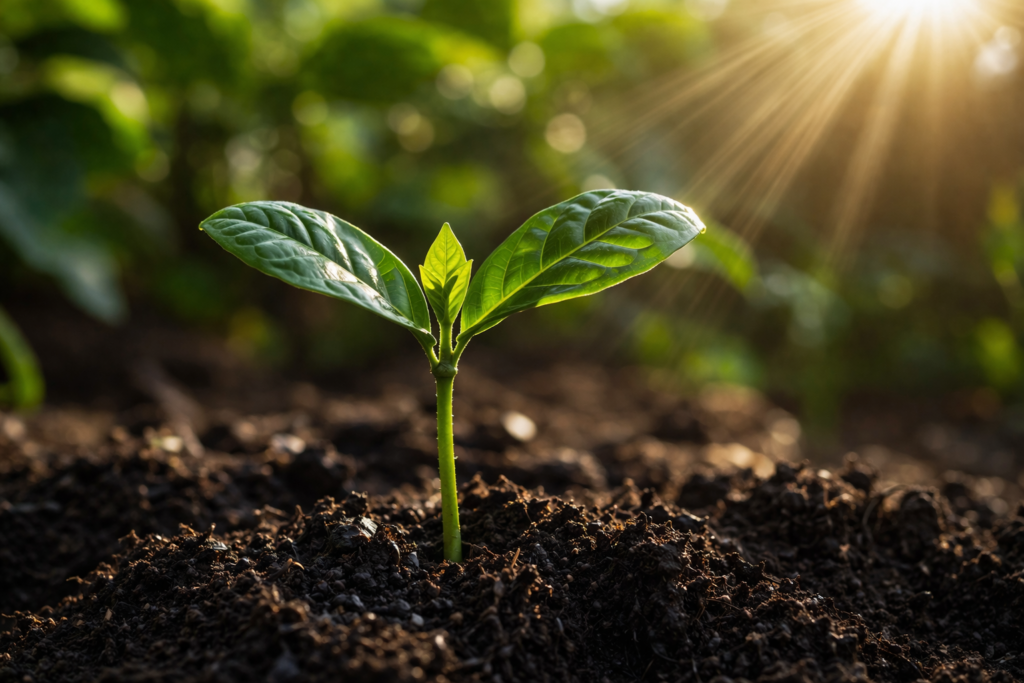
Final Thought: The Future of Coffee Is Being Engineered – Quietly
While the industry often focuses on trends like specialty, sustainability labels, or café culture, the real revolution is happening far upstream – in nurseries, labs, and genetic trials.
Uganda’s new coalition is a reminder that the future of coffee will not be decided by marketing alone.
It will be decided by what gets planted today.
And for the first time in a long time, that future looks intentionally designed – not left to chance.