The global coffee industry is entering a pivotal transformation phase—and Vietnam is positioning itself right at the center of it.
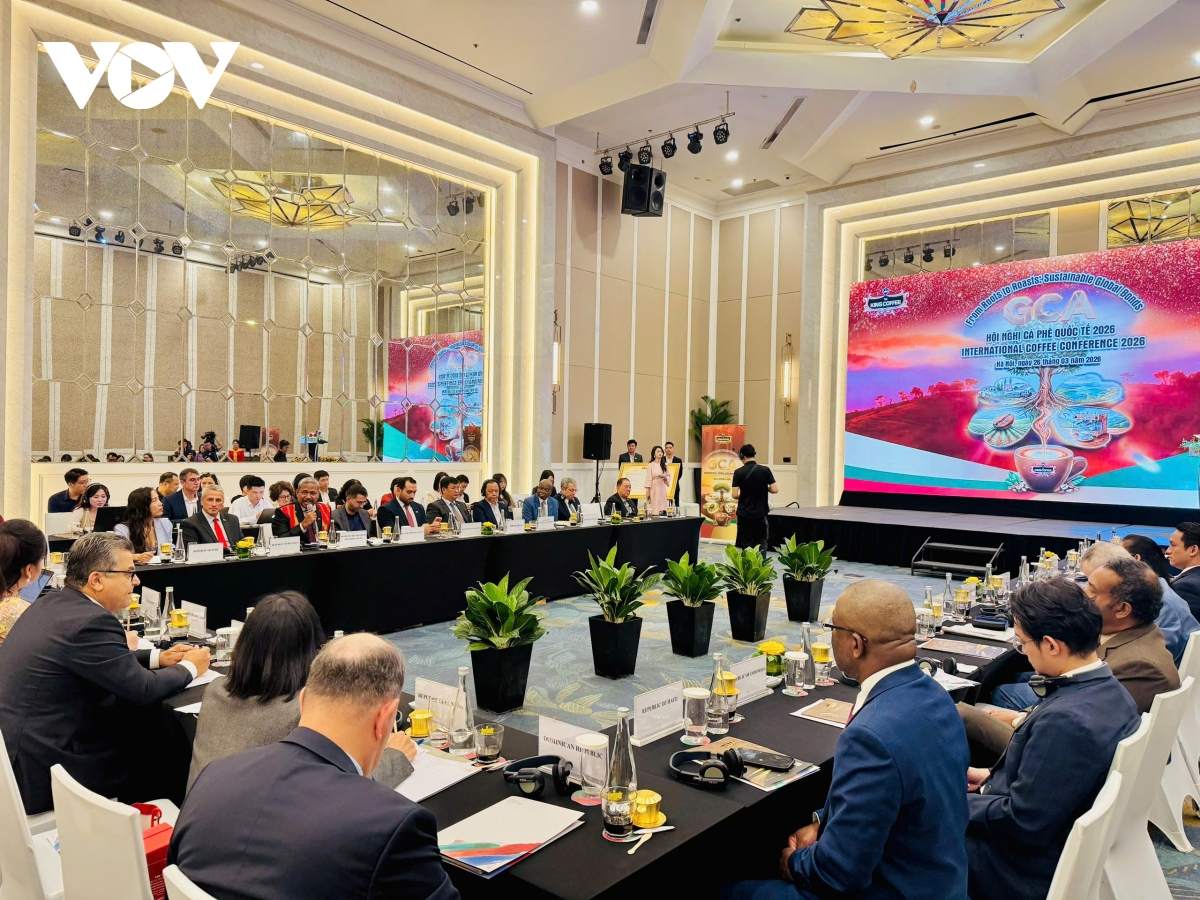
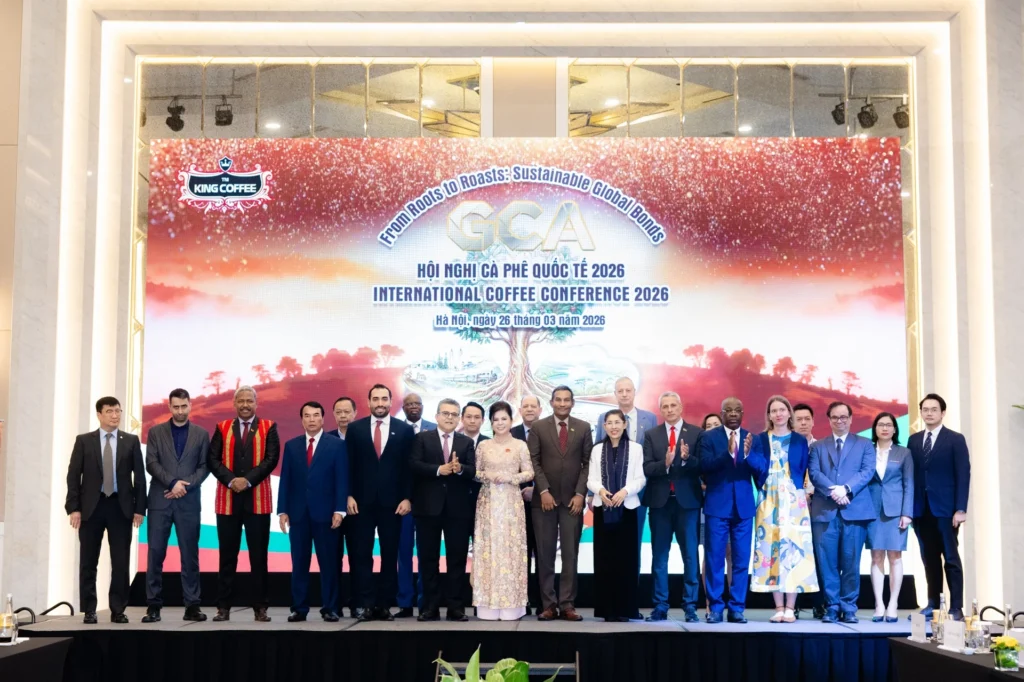
The official launch of the Global Coffee Alliance (GCA) in Hanoi during the International Coffee Conference 2026 is more than just another industry initiative. It marks a strategic shift: from fragmented supply chains to a collaborative, technology-driven, and sustainability-first global ecosystem.
From Coffee Producer to Industry Architect
For decades, Vietnam has been known primarily as the world’s leading Robusta producer and the second-largest coffee exporter globally. But this new move signals something bigger:
👉 Vietnam is no longer just supplying coffee—it’s shaping the future of coffee.
Initiated by TNI King Coffee, the Global Coffee Alliance is designed as a multinational platform connecting governments, businesses, and stakeholders across the entire value chain.
This is a critical pivot in strategy:
- From commodity export → value creation
- From local production → global influence
- From price-driven → sustainability-driven growth
Why the Global Coffee Alliance Matters Now
The timing of GCA is not accidental.
The global coffee industry is under mounting pressure from:
- Climate change disrupting yield and quality
- Market volatility and price instability
- Increasing demand for transparency and traceability
- Rising ESG and sustainability standards
As highlighted during the conference, no single country or company can solve these systemic challenges alone.
👉 The GCA emerges as a collective response to a fragmented global system.
The 5 Strategic Pillars That Will Reshape Coffee
At the core of the GCA is the Declaration 2026, built around five strategic priorities:
1. Regenerative Agriculture & Ecosystem Protection
Moving beyond sustainability toward regeneration—restoring soil, biodiversity, and long-term productivity.
2. Fair Income for Farmers
Ensuring equitable value distribution across the supply chain—especially for the 125 million people dependent on coffee globally.
3. Transparent & Collaborative Supply Chains
Stronger cooperation between governments and businesses to meet global compliance and traceability demands.
4. Technology & Digital Transformation
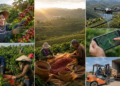
AI, blockchain, and data systems are expected to redefine how coffee is grown, traded, and consumed.
5. Coffee as a Global Cultural Heritage
Positioning coffee not just as a commodity—but as a cultural connector across nations.

Vision 2040: A Net-Zero Coffee Ecosystem
What makes the GCA truly strategic is its long-term roadmap.
The Vision 2040 outlines a future where the coffee industry becomes:
- People-centered
- Technology-enabled
- Environmentally sustainable
- Aligned with Net-Zero emissions
Carbon neutrality is not just a goal—it’s a guiding principle for the entire industry transformation.
This aligns coffee with global megatrends:
- ESG investing
- Climate commitments
- Sustainable supply chain mandates
Public–Private Partnership: The Real Power Behind GCA
One of the most important aspects of the GCA is its structure.
It is designed as a Public–Private Partnership (PPP)—bridging:
- Diplomatic networks
- Government policy
- Private sector execution
This hybrid model is crucial because:
👉 Governments create frameworks
👉 Businesses drive innovation and scalability
This combination allows GCA to move faster than traditional global organizations.
What This Means for Vietnam (And the Global Market)
Vietnam hosting and leading this initiative sends a strong signal:
1. Vietnam is upgrading its role in the value chain
From exporter → brand builder & ecosystem leader
2. Shift toward deep processing & higher margins
Less reliance on raw bean exports, more focus on:
- Specialty coffee
- Branded products
- Value-added manufacturing
3. Becoming a global coffee hub
Vietnam is positioning itself as:
- A connector between producing & consuming countries
- A center for innovation in coffee supply chains
Strategic Insight: Coffee Is Becoming a System, Not a Product
The biggest takeaway from the GCA launch is this:
👉 Coffee is no longer just a commodity—it is becoming a global system.
A system that integrates:
- Agriculture
- Technology
- Finance
- Sustainability
- Culture
And whoever controls or influences that system…
…will define the future of the industry.
Final Thought
The Global Coffee Alliance is still in its early stages, but its ambition is clear:
To build a unified, fair, and sustainable global coffee ecosystem.
If executed effectively, this could be one of the most important structural shifts in the coffee industry in decades.
And this time, Vietnam is not following the trend.
It’s leading it.