The global coffee market has entered a new phase of volatility as Arabica futures retreated sharply following fresh estimates of a significantly larger Brazilian coffee harvest for the upcoming 2026–27 season.
For traders, roasters, and producers alike, the latest projections from major market analysts are reshaping expectations about global coffee supply after several years dominated by tight inventories and weather-driven disruptions.
Brazil’s Crop Recovery Changes the Market Narrative
Arabica coffee futures dropped by as much as 3.2% in recent trading, reflecting growing confidence that global supply pressures could begin easing in the coming harvest cycle. The trigger behind this shift is a new forecast pointing to a potentially record-breaking Brazilian crop.
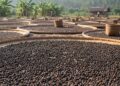
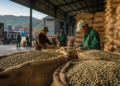
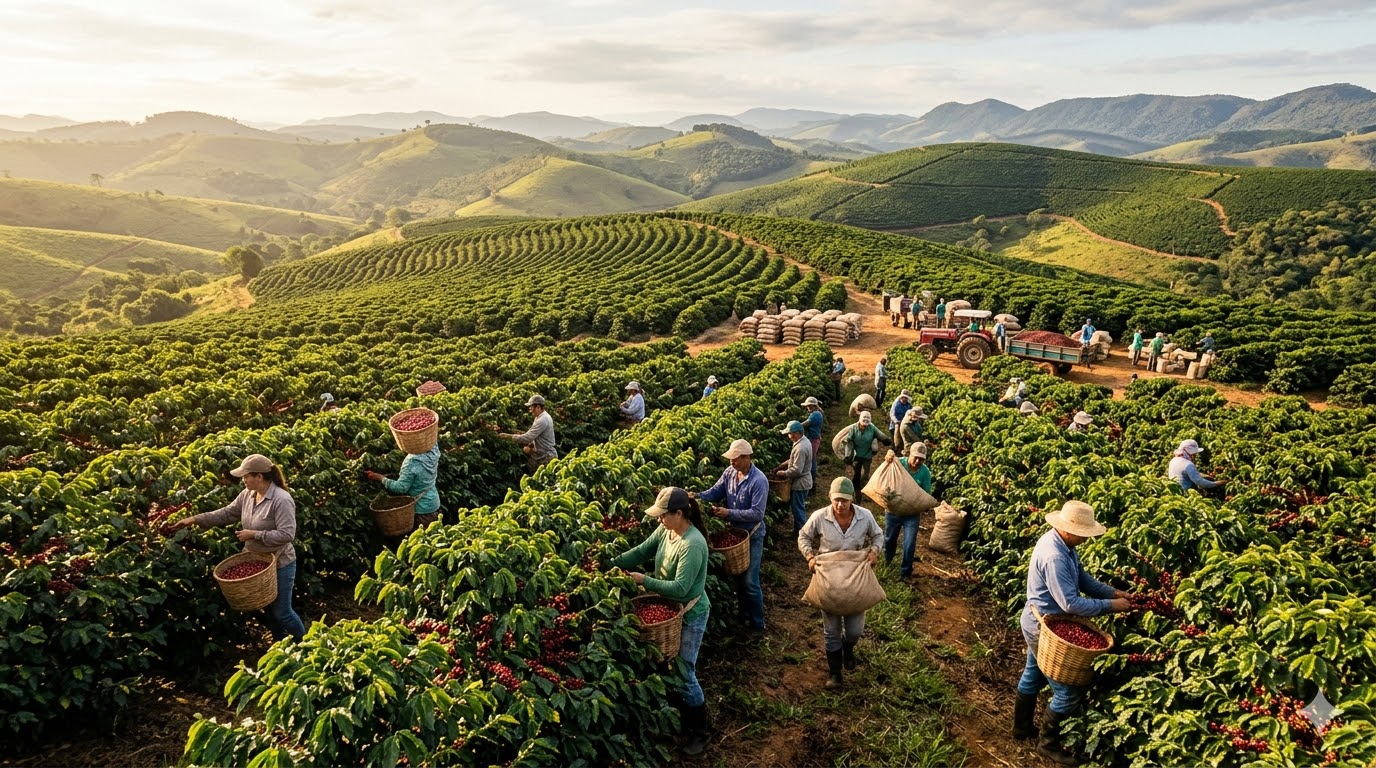
Commodity consultancy StoneX recently raised its estimate for Brazil’s 2026–27 coffee production to approximately 75.3 million bags, which would mark one of the largest harvests in the country’s history. Of that total, Arabica alone is projected to reach around 50.2 million bags, representing a striking 37.5% increase year-on-year.
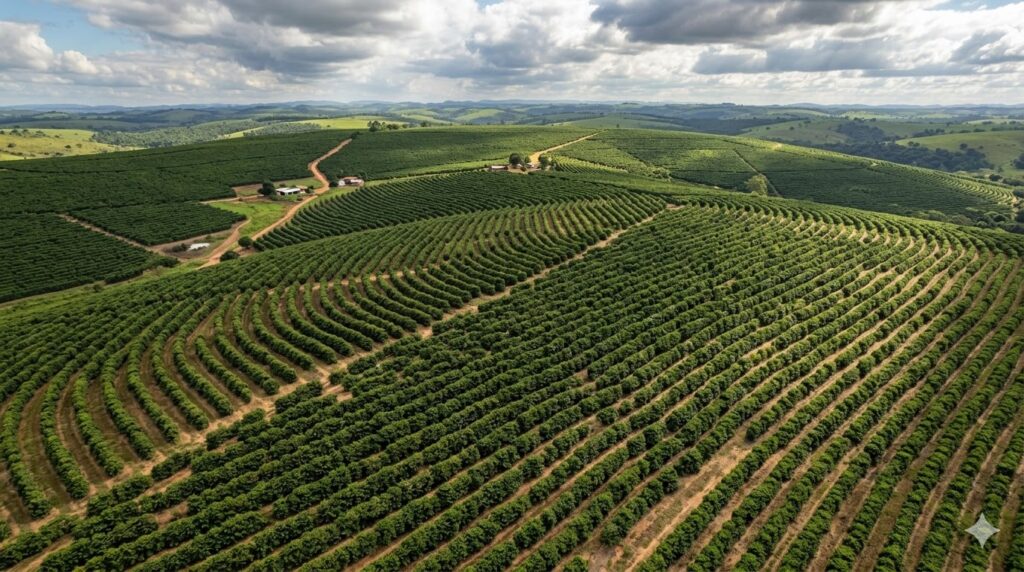
The upward revision is largely attributed to favorable weather conditions across key producing regions, particularly Minas Gerais, the heart of Brazil’s Arabica belt. Recent rainfall patterns have improved soil moisture levels and boosted expectations for stronger flowering and fruit development.
Given that Brazil accounts for roughly 40% of global coffee production, even modest changes in its output forecasts can significantly move international coffee prices.
From Supply Tightness to Potential Surplus
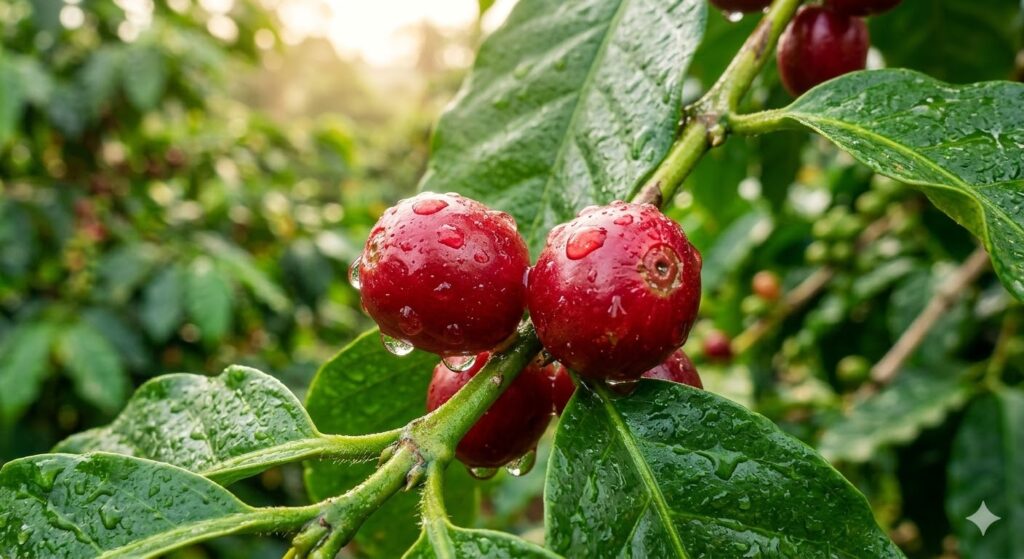
Over the past several seasons, the coffee market has been characterized by supply shortages caused by drought, frost damage in Brazil, and logistical disruptions across producing countries.
However, analysts now believe the industry may be approaching an inflection point.
According to the International Coffee Organization (ICO), the current physical market still shows signs of tight short-term supply, but forward-looking fundamentals increasingly suggest downside risks for prices as production recovers.
In other words, the market may soon transition from scarcity-driven rallies to a more balanced — or even surplus — supply environment.
Such shifts often lead to sharp corrections in futures markets, especially after a period of historically high coffee prices.
Coffee Prices React to Changing Fundamentals
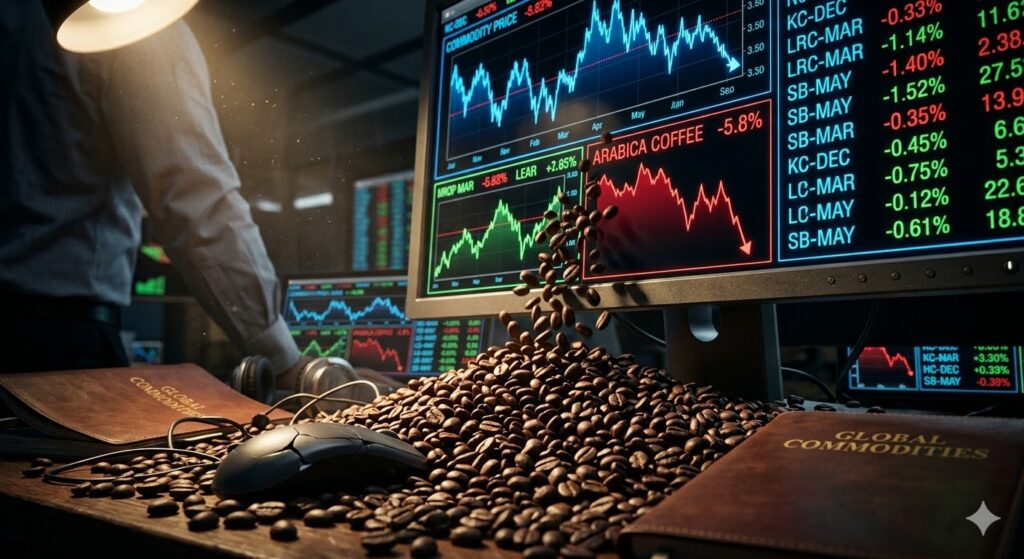
Coffee futures markets are highly sensitive to production forecasts because futures prices serve as the benchmark for physical coffee trading worldwide.
The latest crop estimates triggered a wave of selling across commodity markets, pushing Arabica futures lower on international exchanges.
Recent trading data suggests Arabica prices have already softened toward the lower end of recent ranges, reflecting a growing consensus among traders that supply conditions will improve.
This reaction highlights a common dynamic in agricultural commodities: markets often price in expectations months before the actual harvest occurs.
For coffee traders, the mere possibility of a large Brazilian crop can be enough to shift positioning.
Geopolitical Risks Still Hover Over the Market
Despite the bearish pressure from supply forecasts, the coffee market remains exposed to geopolitical developments that could influence logistics and production costs.
Recent tensions in the Middle East — particularly the evolving situation involving Iran — have raised concerns about potential disruptions in global energy markets. Any spike in fuel costs could indirectly impact agricultural logistics, including transportation and processing costs for coffee producers.
Brazilian plantations, which depend heavily on domestic energy and transport infrastructure, could face rising operational costs if energy prices surge.
This means that while supply expectations are currently pushing prices downward, macroeconomic and geopolitical factors still have the potential to reintroduce volatility into the market.
A Market Entering a New Cycle
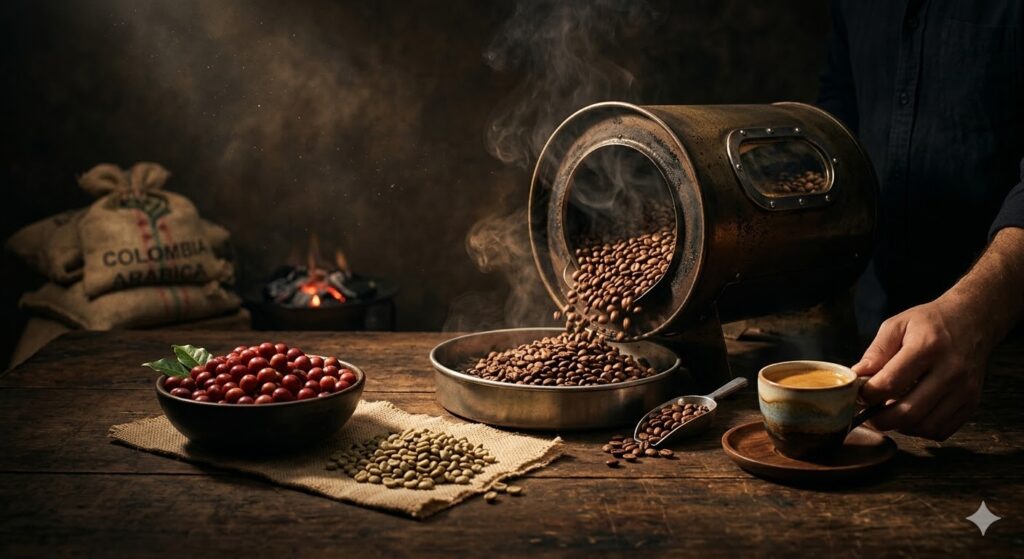
Another structural factor shaping the outlook is the biennial production cycle typical of Arabica coffee trees.
After a weaker production year, Arabica trees often enter a stronger “on-year” cycle, producing significantly larger yields. The upcoming 2026–27 harvest appears to coincide with such a positive production phase in Brazil.
Combined with favorable weather conditions and improved farm management practices, this biological cycle could amplify production gains.
Some analysts believe global coffee output could approach record levels in the coming season, which would further pressure prices if demand growth fails to keep pace.
Implications for Coffee Producers and Buyers
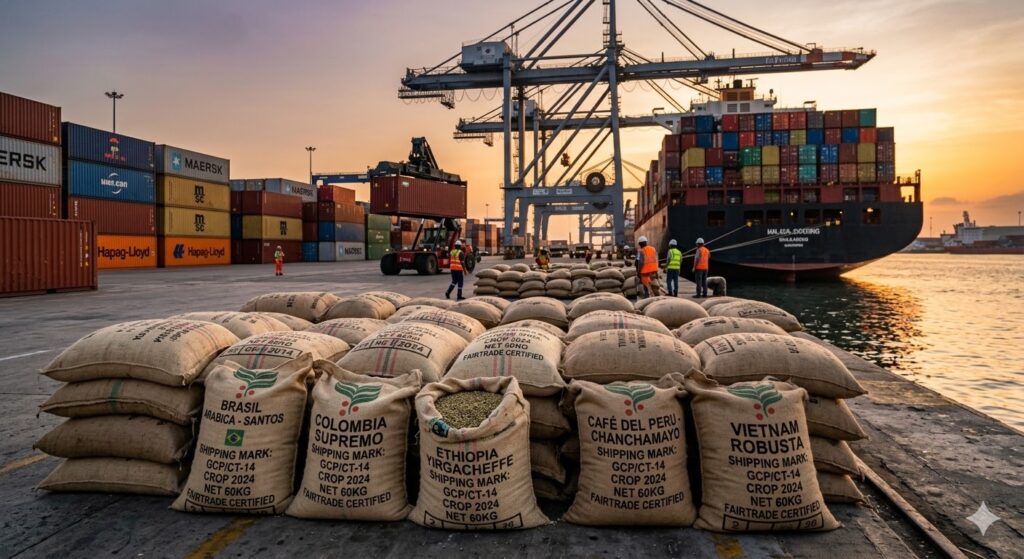
For producers, especially those outside Brazil, the prospect of falling prices raises important strategic considerations.
Countries such as Vietnam, Colombia, and several Central American producers may face increasing competition in export markets if Brazilian supply expands significantly.
On the other hand, coffee roasters and buyers may welcome the potential for lower green coffee prices after several years of rising costs.
Retail coffee prices in many markets surged during the recent supply crunch, squeezing margins across the roasting and café sectors.
A stabilization — or correction — in raw coffee prices could provide much-needed relief to downstream players in the global coffee value chain.
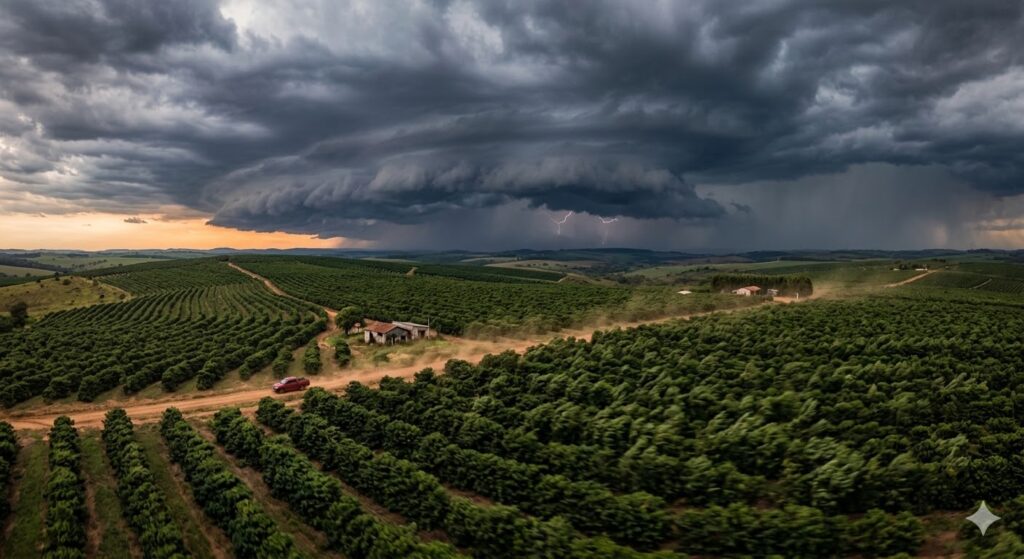
The Key Variable: Weather
Despite the optimistic production forecasts, the coffee market remains extremely sensitive to weather risks.
Brazil’s crop development over the next several months will depend heavily on rainfall patterns, temperature stability, and the absence of frost events — all factors that have historically triggered major price swings.
For now, however, the market appears to be adjusting to a new narrative: the possibility that the world’s largest coffee producer may deliver a record harvest just as global inventories begin to recover.
If that scenario unfolds, the coffee market could enter a period of greater price stability after years of extreme volatility.
But as seasoned coffee traders know well, in agriculture, the story is never finished until the harvest is complete.