Introduction: Vietnam’s Strategic Rise in Global Agricultural Trade
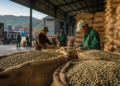
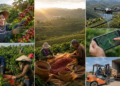
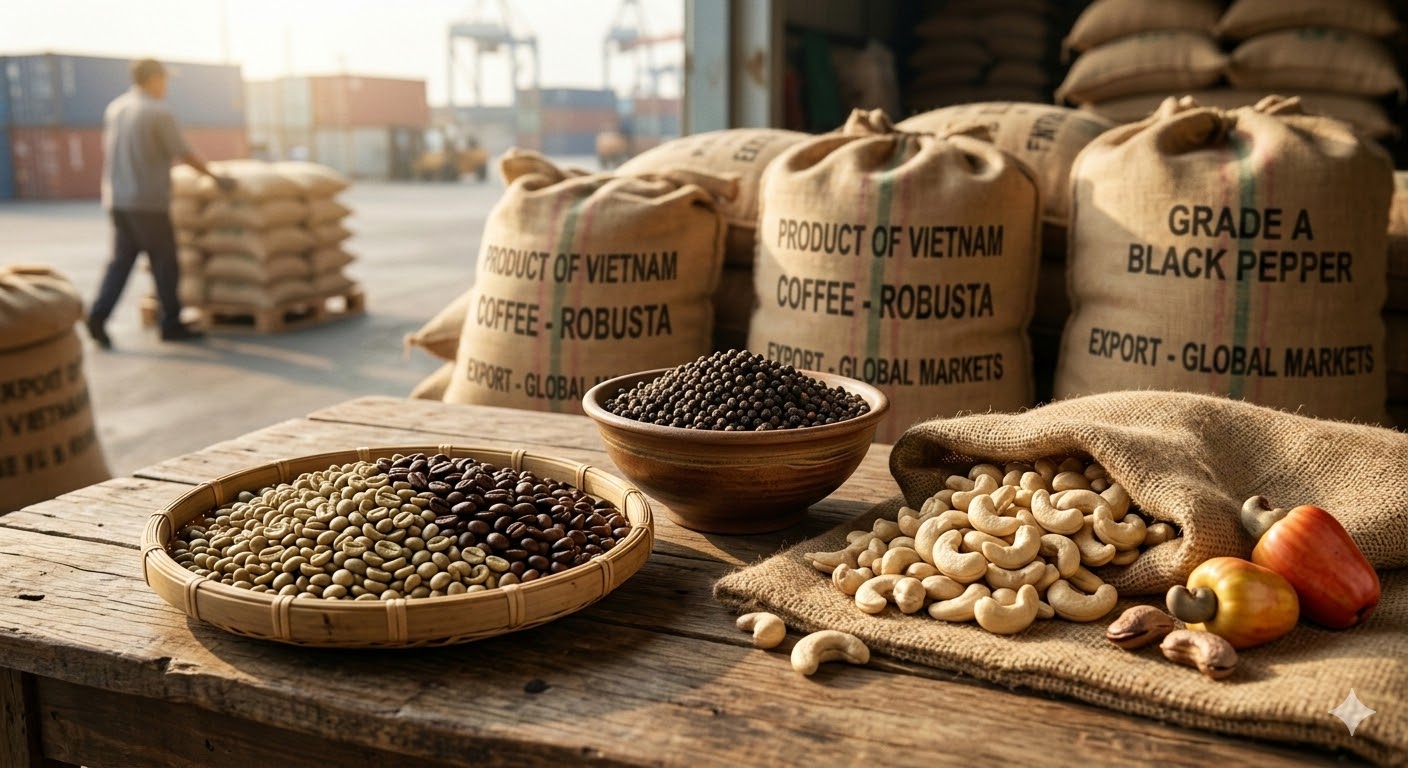
Over the past three decades, Vietnam has quietly transformed itself into one of the most influential agricultural exporters in the world. Today, the country plays a critical role in global commodity markets, particularly in coffee, black pepper, and cashew nuts—three products that have become pillars of Vietnam’s agricultural economy and key components of global food supply chains.
Vietnam is now among the world’s largest exporters of agricultural commodities, with coffee, pepper, and cashew dominating international trade flows and shaping price dynamics across major markets.
With export values reaching record highs in recent years and global demand continuing to rise, these sectors illustrate how Vietnam’s agricultural system has evolved from smallholder-based farming into a globally integrated commodity powerhouse.
Coffee: Vietnam’s Global Influence on the Robusta Market
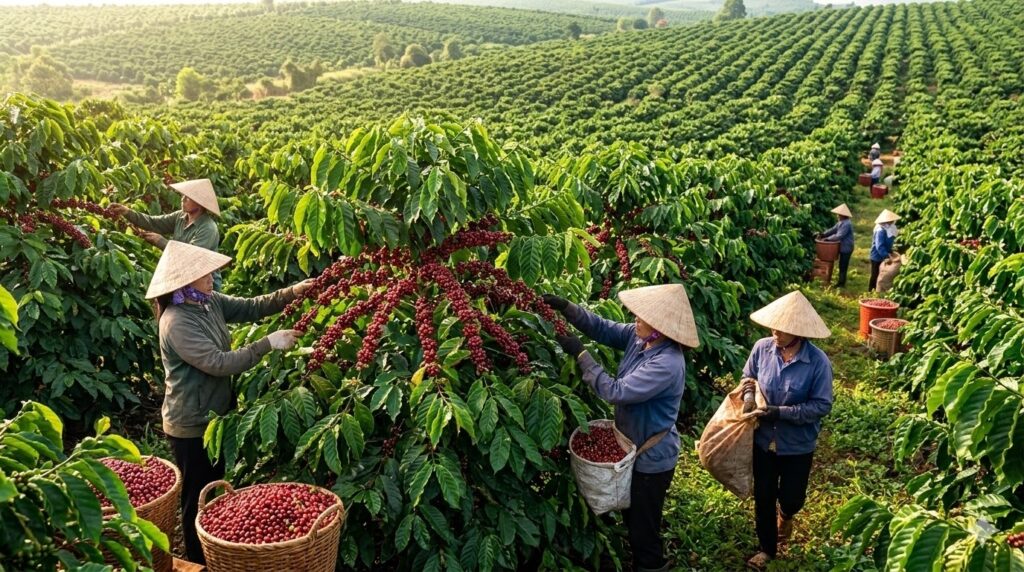
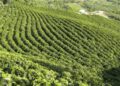
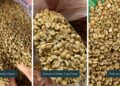
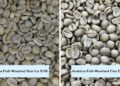
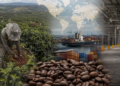
Vietnam’s coffee industry stands at the center of the global Robusta market. The country is the second-largest coffee producer in the world after Brazil and the largest producer and exporter of Robusta coffee, supplying roughly 40% of global Robusta output.
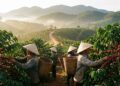
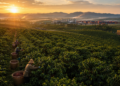
Production is heavily concentrated in the Central Highlands, particularly in provinces such as Dak Lak, Lam Dong, and Gia Lai, which together account for more than 90% of national output.
Record Export Performance
Vietnam’s coffee exports have reached unprecedented levels in recent years. By November 2025, the country had exported nearly 1.35 million tons of coffee worth approximately $7.64 billion, far exceeding previous records.
Interestingly, while export volume has fluctuated due to weather conditions and crop cycles, export value has surged due to higher global prices. In 2024, for example, Vietnam exported 1.32 million tons of coffee, but export revenue increased significantly as average prices rose sharply.
Several structural factors explain this trend:
1. Global Robusta Supply Tightening
Climate disruptions in major producing countries—particularly Brazil and Indonesia—have tightened supply, driving global demand for Vietnamese Robusta.
2. Expanding Instant Coffee Industry
Robusta beans are widely used in instant coffee production, a segment experiencing strong growth in Asia and emerging markets.
3. Rising Consumption in Emerging Markets
Countries such as China, India, and Southeast Asia are increasing coffee consumption, creating new demand channels.
However, the industry faces long-term challenges including climate change, aging coffee trees, and the need to transition toward higher-quality and specialty coffee segments.
Pepper: Vietnam’s Dominance in the Global Spice Trade
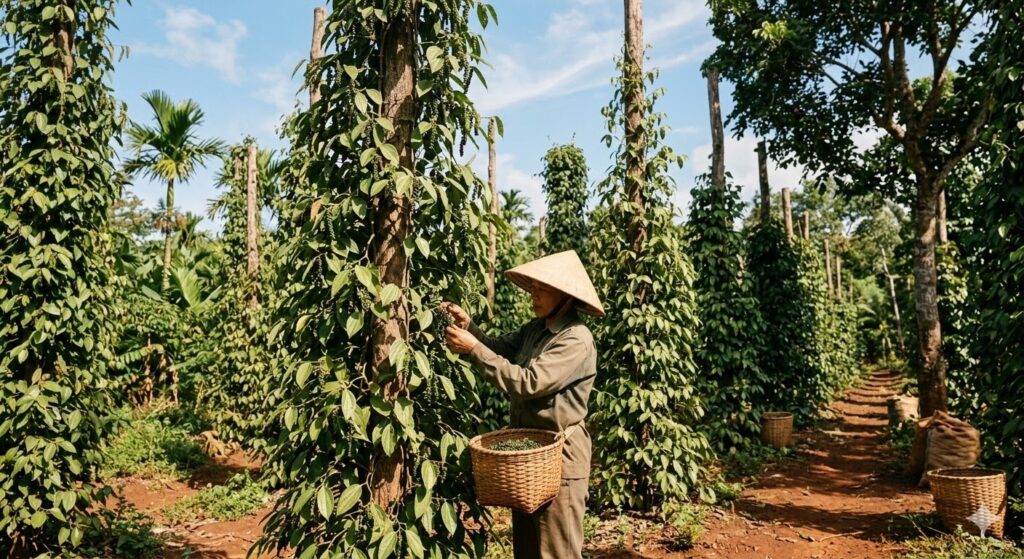
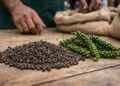
Vietnam has long been recognized as the world’s largest producer and exporter of black pepper, making the country a dominant force in the global spice market.
In 2025, Vietnam produced approximately 195,000 tons of pepper, maintaining its position as the global production hub for the commodity.
Pepper exports also remain a major contributor to Vietnam’s agricultural trade balance. By mid-November 2025, the country had exported over 213,000 tons of pepper worth approximately $1.44 billion.
Structural Shifts in the Pepper Market
Despite its dominance, Vietnam’s pepper industry is undergoing significant structural changes.
First, global pepper supply has stabilized after years of overproduction. Earlier expansion in Vietnam, Brazil, and Indonesia led to a price collapse between 2018 and 2020.
Second, the industry is now transitioning toward quality-focused production. Farmers and exporters increasingly emphasize certified sustainable pepper, organic cultivation, and traceable supply chains to meet stricter international standards.
Third, the sector faces increasing competition from Brazil, which has expanded pepper cultivation in recent years.
Nevertheless, Vietnam’s well-developed processing industry and global trade networks continue to provide a strong competitive advantage.
Cashew: Vietnam’s Global Processing and Export Powerhouse
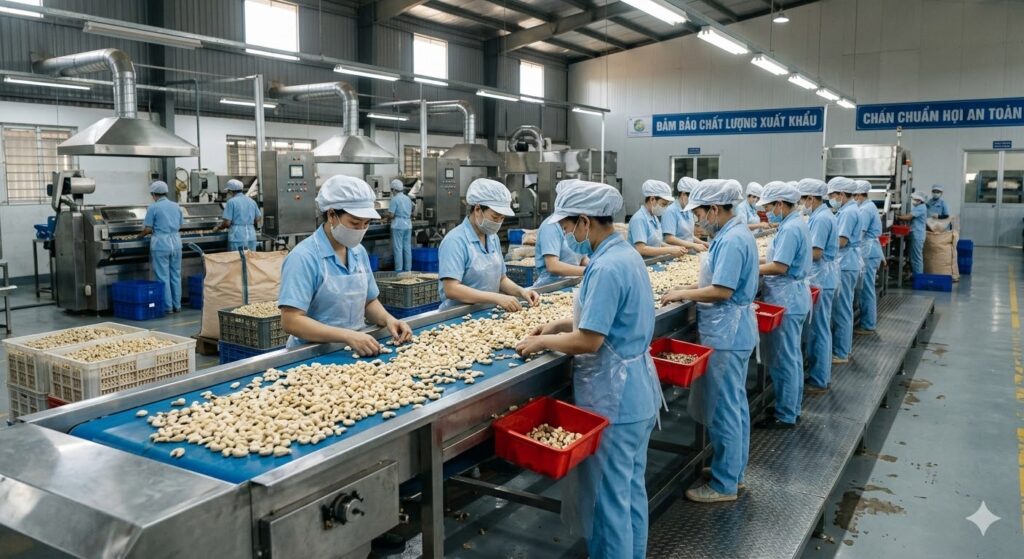
If coffee and pepper define Vietnam’s role as a commodity producer, cashew nuts highlight its strength in agricultural processing and value addition.
Vietnam is the largest exporter of cashew kernels in the world, accounting for more than 75–80% of global exports.
In 2025, the industry achieved a historic milestone when cashew exports exceeded $5.2 billion, placing the sector among Vietnam’s top agricultural export earners.
A Unique Global Supply Chain
Unlike coffee and pepper, Vietnam’s cashew industry relies heavily on imported raw materials. The country imports millions of tons of raw cashew nuts from African producers such as Ivory Coast, Ghana, and Nigeria, processes them domestically, and exports finished kernels to global markets.
This processing-based model has allowed Vietnam to dominate the international cashew trade despite not being the largest producer of raw cashew nuts.
The United States, Europe, and China remain the largest markets for Vietnamese cashew products, driven by growing demand for plant-based protein and healthy snack foods.
Key Drivers Behind Vietnam’s Agricultural Success
Several structural factors explain Vietnam’s extraordinary rise in global agricultural commodity markets.
1. Smallholder-Based Production System
Vietnam’s agricultural system is dominated by smallholder farms, with the majority of coffee farms measuring less than one hectare.
While small farm sizes can limit productivity, they also provide flexibility and resilience in commodity production.
2. Strong Export Infrastructure
Vietnam has invested heavily in processing capacity, logistics infrastructure, and trade networks, allowing agricultural products to reach more than 180 global markets.
3. Integration into Global Supply Chains
Through trade agreements such as the EU-Vietnam Free Trade Agreement (EVFTA) and CPTPP, Vietnamese agricultural exports have gained preferential access to major markets.
The Future Outlook: Opportunities and Risks
Looking ahead, Vietnam’s agricultural export sectors are expected to remain critical players in global markets. However, several risks could influence future growth:
Climate Change: Rising temperatures and unpredictable rainfall threaten crop productivity, particularly for coffee.
Sustainability Requirements: International buyers increasingly demand traceability, environmental certification, and carbon-neutral supply chains.
Price Volatility: Global commodity markets remain highly sensitive to macroeconomic shifts, currency fluctuations, and geopolitical tensions.
Despite these challenges, Vietnam’s ability to adapt and innovate suggests that the country will remain a cornerstone of global agricultural trade.
Conclusion
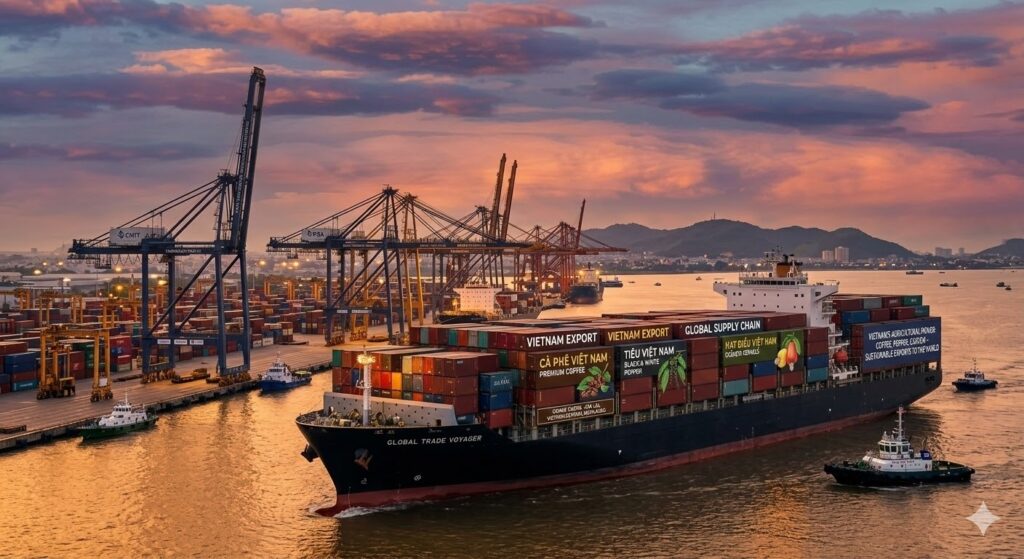
Vietnam’s coffee, pepper, and cashew industries illustrate the country’s transformation into one of the most influential agricultural exporters in the world.
As the largest exporter of Robusta coffee, the dominant force in global pepper trade, and the processing powerhouse of the cashew industry, Vietnam plays a strategic role in shaping global commodity markets.
With rising global food demand and evolving supply chains, Vietnam’s agricultural sectors will continue to influence price dynamics, trade flows, and food security worldwide.