The global coffee industry enters 2026 at a structural inflection point. After years of price volatility, climate disruption, supply chain shocks, and regulatory tightening, the International Coffee Organization (ICO) is reframing the narrative: coffee is no longer merely a traded commodity — it is becoming a strategic pillar in climate adaptation, rural development, and sustainable trade.
In a forward-looking assessment, ICO Executive Director Vanúsia Nogueira outlined the organization’s priorities and expectations for 2026, emphasizing multilateral cooperation, resilience building, and actionable sustainability frameworks. The message is clear: the future of the global coffee market will be shaped less by short-term price swings and more by long-term structural alignment between producers, consumers, governments, and private stakeholders.
2025: A Transitional Year for Global Coffee Governance
Before projecting into 2026, the ICO views 2025 as a pivotal consolidation year. The organization strengthened its global institutional standing by participating in the United Nations General Assembly as an official observer — a milestone that elevated coffee policy discussions to a multilateral diplomatic platform.
Additionally, International Coffee Day (October 1) received formal recognition from the Food and Agriculture Organization (FAO), reinforcing coffee’s global economic and socio-cultural relevance. These developments were not symbolic gestures; they repositioned coffee within broader international development and climate policy frameworks.
Perhaps most notably, the ICO actively engaged in COP30 discussions in Belém, Brazil, contributing to the COP Action Agenda. This signaled a transition from advocacy to policy integration — ensuring coffee-producing communities are included in global climate adaptation planning.
For market participants, this evolution matters. Institutional visibility often precedes regulatory coordination, financing frameworks, and sustainability-linked investment flows.
Structural Pressures Defining the 2026 Coffee Market
While institutional progress advanced, the coffee sector continues to face systemic pressures that will shape 2026 market dynamics.
1. Climate Volatility and Production Risk
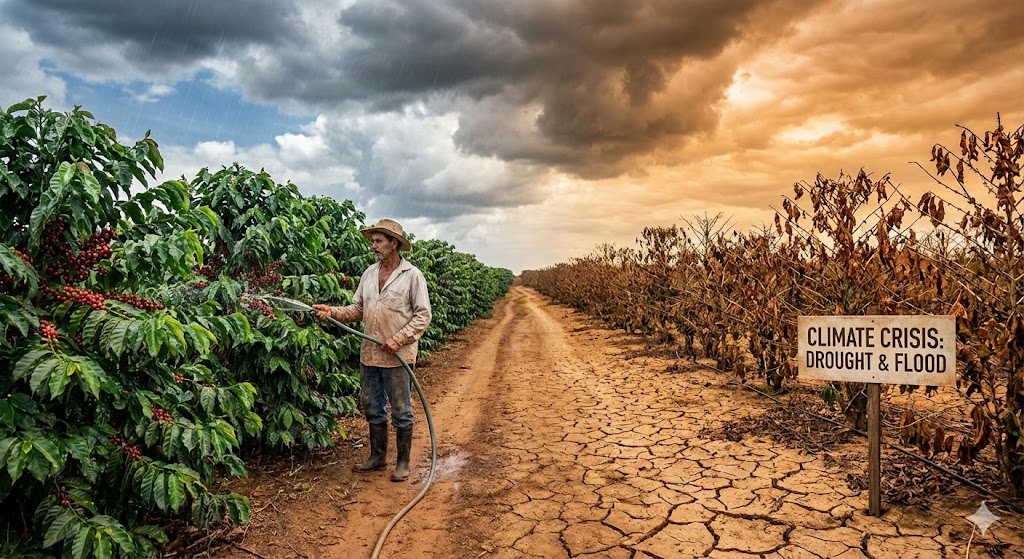
Extreme weather patterns — droughts, excessive rainfall, and shifting flowering cycles — continue to threaten yield stability in key producing countries including Brazil, Vietnam, Colombia, and parts of East Africa. Climate stress not only reduces output but also increases production costs due to irrigation, crop protection, and farm rehabilitation requirements.
The long-term implication is a higher structural cost floor for coffee production, particularly for Arabica.
2. Regulatory and Trade Complexity
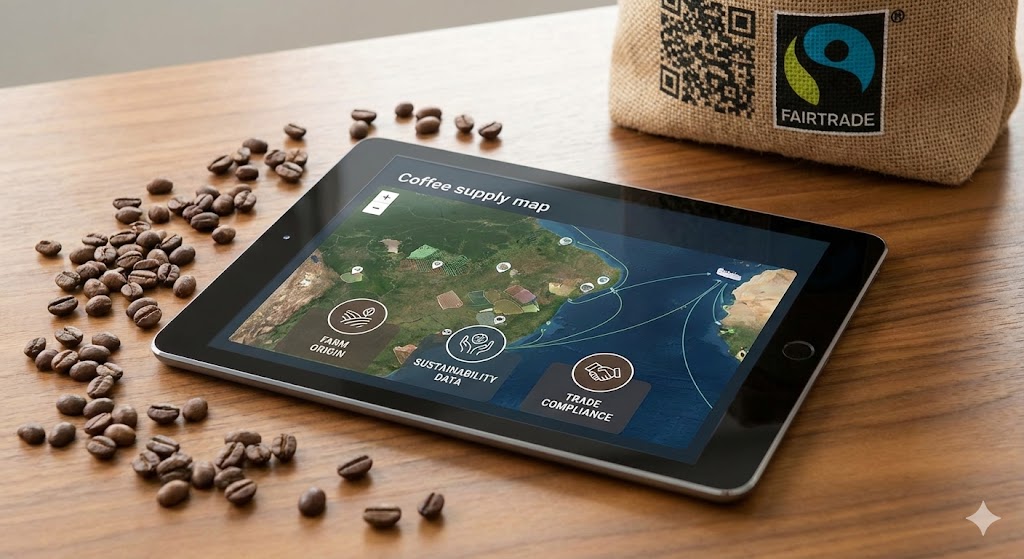
New sustainability and deforestation regulations, particularly within the European Union, are reshaping compliance requirements across supply chains. Exporters must now integrate traceability systems, satellite monitoring, and ESG documentation to maintain market access.
While these measures enhance transparency, they also introduce compliance costs that disproportionately impact smallholder farmers unless support mechanisms are implemented.
3. Consumer-Side Economic Pressure
On the demand side, inflationary pressures in major consuming markets — North America and Europe — have influenced out-of-home coffee consumption. While global demand remains resilient overall, premium segments may face sensitivity as consumers rebalance discretionary spending.
However, structural demand fundamentals remain intact. Coffee continues to demonstrate inelastic consumption characteristics relative to other discretionary goods, particularly in established markets.
2026 Outlook: From Commitments to Execution
Looking ahead, the ICO’s 2026 agenda centers on transforming commitments into operational impact. The core thesis articulated by Nogueira is that “coffee must be part of the solution” — economically, socially, and environmentally.
This translates into four strategic priorities:
Strengthening Supply Chain Resilience
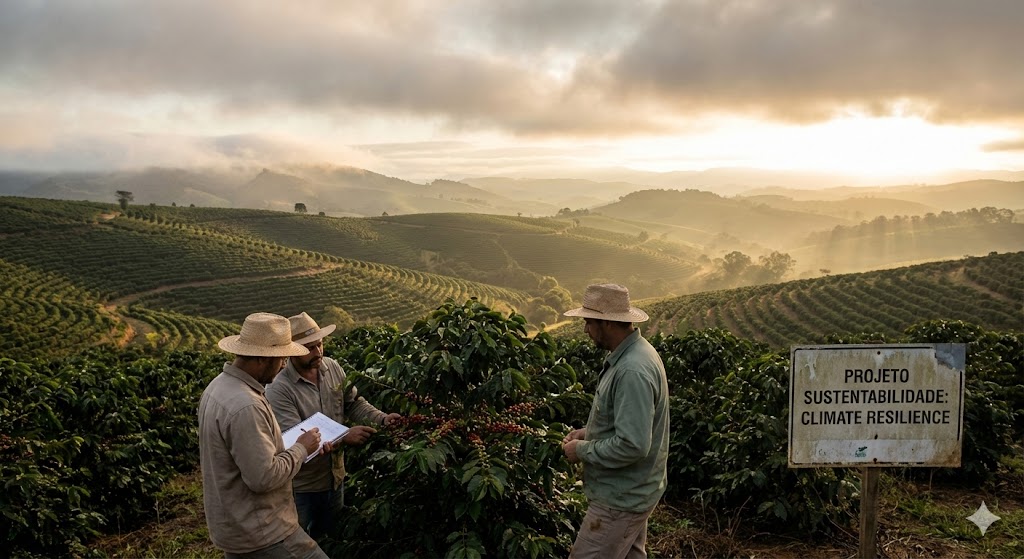
Resilience is no longer a theoretical concept. It requires measurable investment in climate adaptation, farm renovation, and agronomic modernization. The ICO is expected to facilitate partnerships that mobilize capital toward productivity improvement and income stabilization.
A resilient supply base reduces extreme price volatility, benefiting both producers and roasters.
Improving Farmer Livelihoods
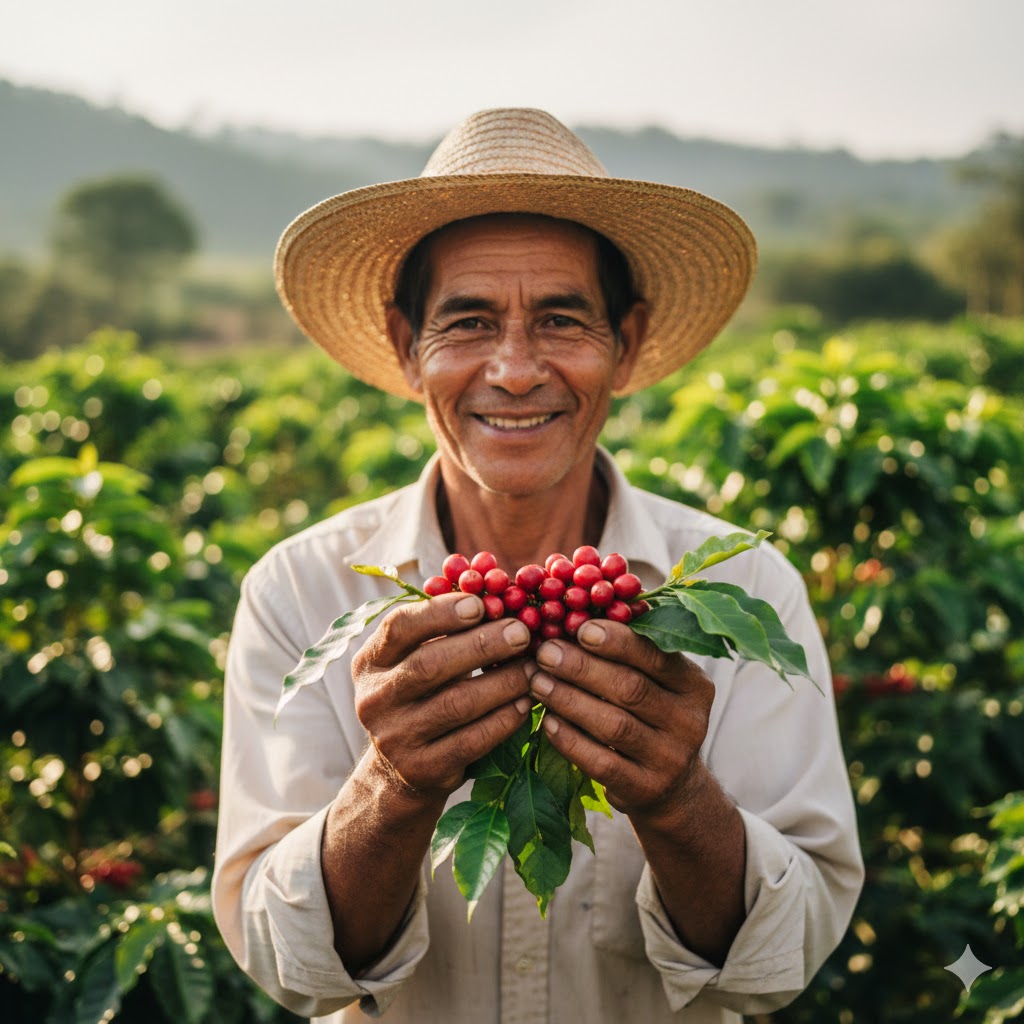
Approximately 12.5 million coffee farms worldwide — the majority smallholder-operated — remain highly vulnerable to income shocks. Sustainable market growth depends on improving farmgate income stability through better market access, value addition, and risk management tools.
Without economic viability at origin, supply security becomes structurally compromised.
Environmental Stewardship and Ecosystem Protection
Coffee landscapes are often biodiversity-rich ecosystems. Sustainable farming practices — agroforestry, soil regeneration, and water conservation — will increasingly become integrated into sourcing strategies.
Environmental compliance is evolving from reputational advantage to market entry requirement.
Value Creation Across the Chain
A recurring industry challenge is uneven value distribution. The ICO’s vision promotes more balanced value creation from origin to retail. Greater transparency and traceability may enable differentiated pricing structures and sustainability premiums.
For investors and traders, this could mean a gradual shift from purely volume-driven models to quality- and compliance-driven segmentation.
Market Implications for 2026
From a market perspective, several key implications emerge:
- Price volatility may persist in the short term due to weather uncertainty, but structural underinvestment in production could support elevated price floors.
- Sustainability-linked financing instruments may expand, including green bonds and blended finance initiatives tied to agricultural resilience.
- Traceability and digital compliance systems will become standard operational infrastructure rather than optional enhancements.
- Emerging markets in Asia and the Middle East may provide incremental demand growth, partially offsetting slower expansion in mature Western markets.
Importantly, 2026 is unlikely to be defined by a singular supply shock or demand collapse. Instead, it represents a transition toward structural recalibration.
Coffee as a Development Lever
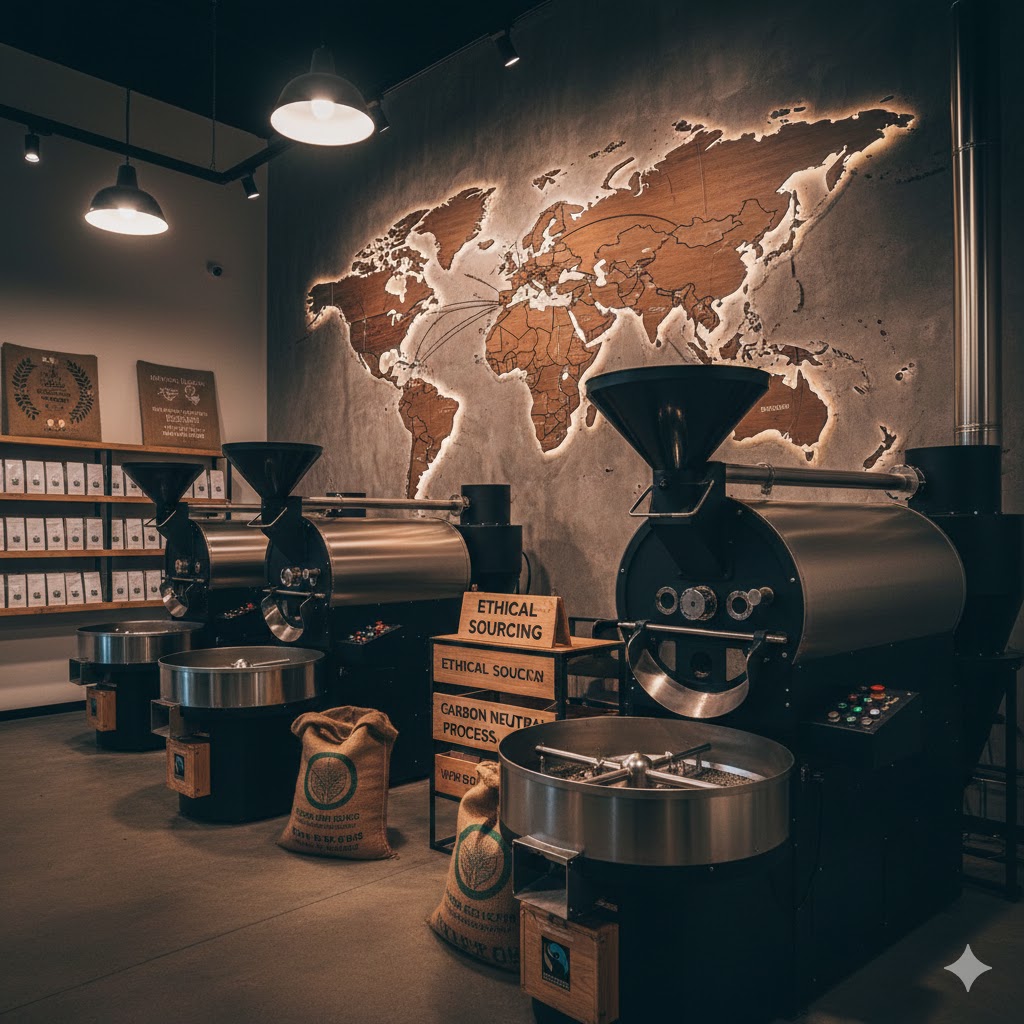
Beyond pricing and trade, the ICO’s positioning reframes coffee as a development lever. The crop supports the livelihoods of over 100 million people globally. It intersects with climate resilience, gender equity, rural employment, and biodiversity conservation.
This broader framing may attract institutional capital that historically overlooked agriculture due to perceived volatility. As ESG frameworks mature, coffee could become a flagship example of how commodity markets integrate sustainability metrics into core valuation models.
Conclusion: A Year of Strategic Alignment
The 2026 coffee market outlook is neither purely bullish nor defensive. It is transitional.
The industry is moving from reactive crisis management toward structural alignment — integrating climate policy, trade regulation, and market economics into a cohesive framework. The ICO’s leadership suggests that success will depend on cross-sector collaboration rather than isolated interventions.
For producers, the priority is resilience and income stability.
For traders and roasters, it is supply security and compliance readiness.
For investors, it is identifying long-term structural value rather than short-term volatility.
Coffee’s next chapter will not be written solely on futures exchanges. It will be shaped in policy rooms, sustainability frameworks, and farm-level adaptation strategies.
And in 2026, the industry’s ability to convert vision into execution will determine whether coffee remains vulnerable to disruption — or emerges as a model for sustainable commodity transformation.