
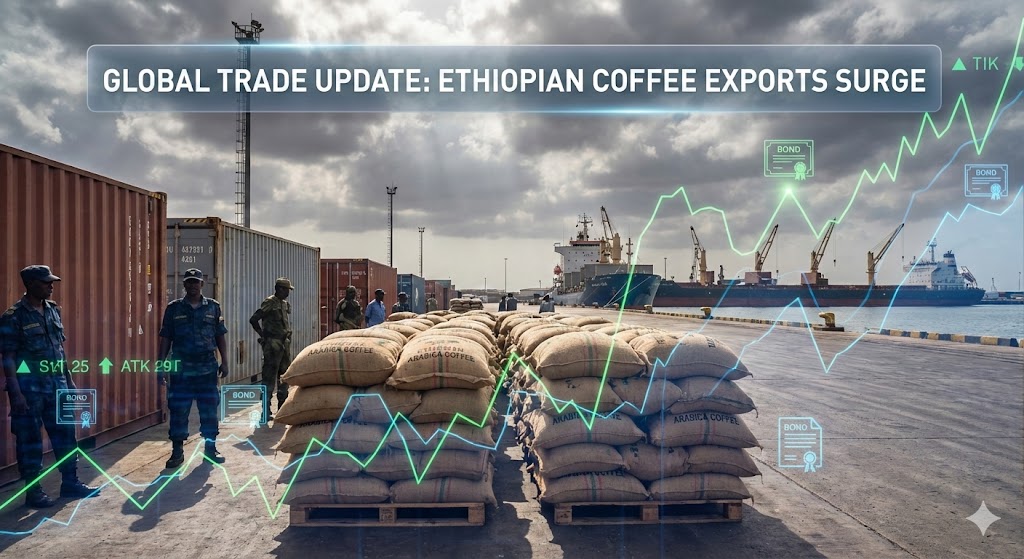
Ethiopia, one of the world’s most important producers of high-quality Arabica coffee, is facing renewed uncertainty after international investors signaled plans for legal action over the country’s proposed restructuring of a $1 billion Eurobond. While the dispute is rooted in sovereign finance, its implications extend beyond debt markets, touching export performance, currency stability, and confidence across key commodity sectors – including coffee.
The conflict centers on Ethiopia’s efforts to overhaul its international bond obligations after defaulting in late 2023. Under a proposed restructuring plan, the government offered bondholders a package involving a partial reduction in principal, issuance of new bonds, and a value-linked instrument tied to future economic performance. However, the plan has drawn objections from official bilateral creditors, complicating negotiations and delaying a comprehensive debt resolution.

Rising Legal Risk and Investor Confidence
A group of bondholders representing a significant share of outstanding debt has described the objections as unjustified and indicated it may pursue legal remedies in UK courts. Such action would mark a further escalation in Ethiopia’s debt saga and could prolong uncertainty around the country’s access to international capital markets.
For investors and commodity traders alike, prolonged legal disputes tend to translate into higher perceived sovereign risk. This can affect everything from foreign exchange availability to the cost of trade finance – both of which are critical for agricultural exporters operating on tight margins.

Why Coffee Markets Are Watching Closely
Coffee plays a central role in Ethiopia’s economy. The country is Africa’s largest coffee producer and a cornerstone supplier of specialty Arabica beans to Europe, the United States, and Asia. Export revenues from coffee are a major source of foreign currency, helping stabilize the balance of payments and support import capacity.
Any disruption to Ethiopia’s financial outlook – whether through delayed debt restructuring, tighter capital controls, or currency pressure – can indirectly influence the coffee supply chain. Exporters may face higher financing costs, slower logistics, or increased incentives to accelerate shipments, all of which can shape short-term market dynamics.
Currency and Export Dynamics
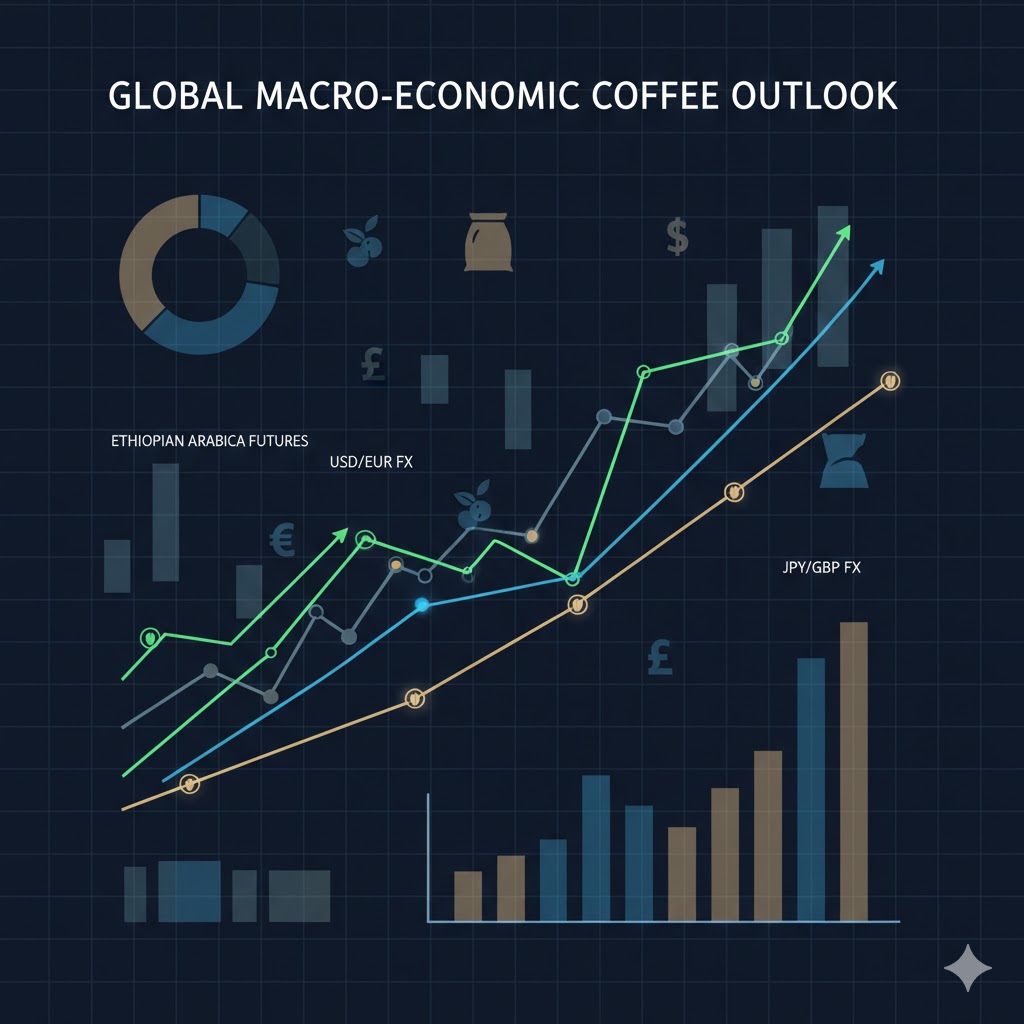
One key channel to watch is the Ethiopian birr. Debt stress and legal uncertainty can place pressure on the currency, potentially altering export pricing strategies. A weaker birr may encourage exports in the short term, but it also raises costs for inputs such as fuel, fertilizers, and logistics – factors that ultimately affect production sustainability.
For global coffee markets already navigating volatility driven by weather risks, tight inventories, and shifting demand patterns, macroeconomic stress in a major origin country adds another layer of complexity.
Market Outlook
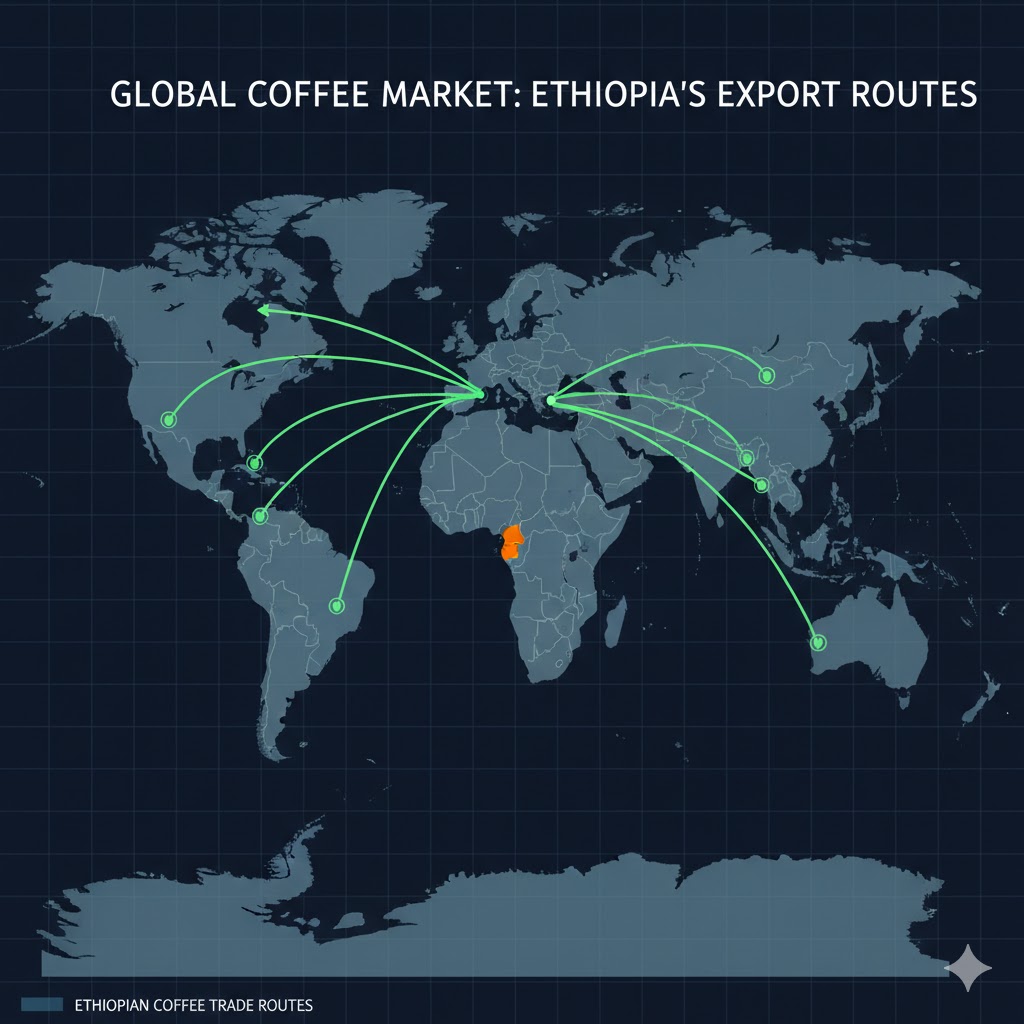
While Ethiopia’s coffee exports have remained resilient, the broader financial environment is becoming more fragile. Until clarity emerges around debt restructuring and creditor negotiations, market participants are likely to factor in a higher risk premium when assessing Ethiopian supply.
For roasters, traders, and investors, the situation underscores a familiar reality: coffee fundamentals do not exist in isolation. Sovereign debt, legal risk, and macroeconomic stability increasingly shape how origin markets perform – and how global prices respond.