The global coffee market is entering a critical transition phase after several years of intense volatility. Following a prolonged period of supply tightness and record-high prices, the market is now showing early signs of rebalancing. However, uncertainty remains high as climate risks, logistics costs, and shifting consumer preferences continue to reshape one of the world’s most valuable agricultural commodity markets.
Coffee, a daily staple for hundreds of millions of consumers, is no longer just an agricultural product. It is increasingly influenced by macroeconomic conditions, climate dynamics, financial markets, and evolving lifestyle trends. As a result, price movements and supply-demand balances have become more complex and less predictable than in previous cycles.
Global Coffee Supply: Recovery Underway, but Risks Persist
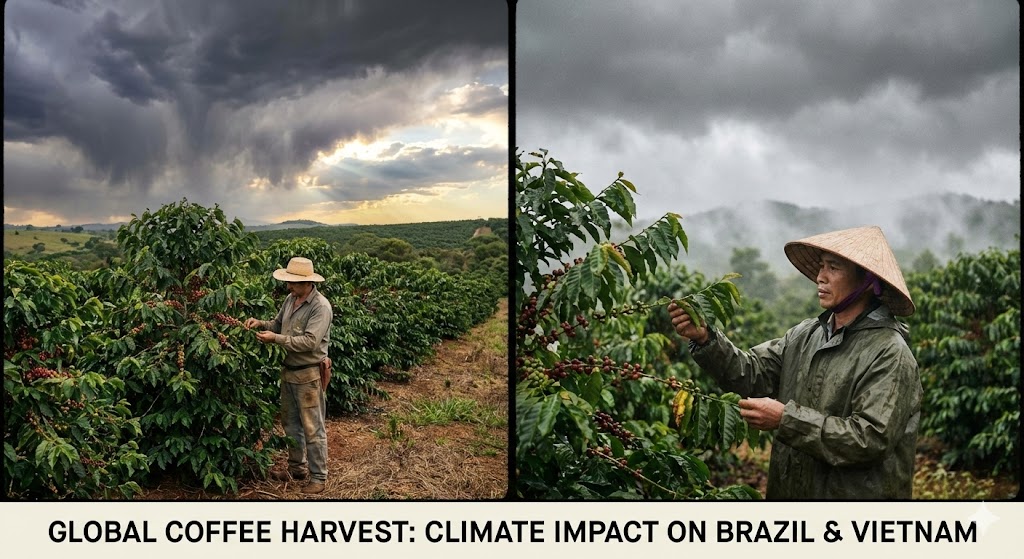
Global coffee supply is gradually improving after several seasons marked by weather disruptions and production shortfalls. Brazil, the world’s largest coffee producer, is expected to see better output prospects in upcoming harvests as growing conditions stabilize. Meanwhile, Vietnam continues to consolidate its position as the world’s leading robusta exporter, supplying a significant share of global demand.
Despite this recovery, the supply outlook remains fragile. Climate volatility continues to pose a structural risk to coffee-growing regions. Prolonged droughts, irregular rainfall, and rising temperatures in South America and Southeast Asia threaten yields and quality. These climate-related challenges mean that any supply recovery could be temporary rather than structural.
In addition, aging coffee trees and rising production costs in several producing countries are limiting the pace of expansion. Farmers are increasingly cautious about reinvestment, particularly in regions where access to finance and long-term price stability remain uncertain.
Coffee Prices Today: Cooling Down, but Volatility Remains the New Normal
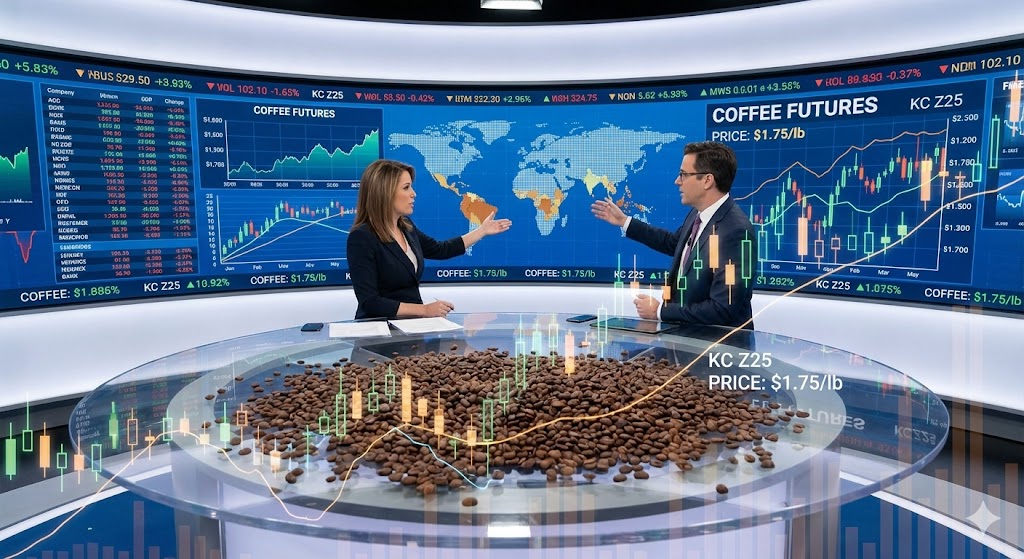
After reaching multi-year highs, global coffee prices have entered a phase of correction. Arabica prices have softened more noticeably, reflecting improved supply expectations and cautious demand amid global economic uncertainty. Robusta prices, however, remain relatively firm, supported by steady demand from the instant coffee and blended roast segments.
Market analysts note that the coffee market is unlikely to return to prolonged price surges in the near term. Instead, prices are expected to fluctuate within a narrower range, punctuated by short-term spikes driven by weather events, logistical disruptions, or currency movements.
This environment reinforces the idea that volatility is becoming a permanent feature of the global coffee market rather than an exception. For traders and producers alike, risk management and market timing are becoming increasingly critical.
Global Coffee Consumption Continues to Expand

Despite inflationary pressures and slower economic growth in some regions, global coffee consumption continues to rise. Traditional markets such as Europe and North America remain major consumers, supported by strong coffee culture and well-established retail networks.
At the same time, Asia is emerging as the most dynamic growth engine for global coffee demand. China, Southeast Asia, and parts of the Middle East are witnessing rapid expansion in café culture, ready-to-drink coffee, and premium coffee products. Younger consumers, in particular, are driving demand for convenience, quality, and brand storytelling.
The shift in consumption patterns is reshaping the value chain. Specialty coffee, certified sustainable products, and traceable origins are gaining market share, while low-value bulk coffee faces increasing competition and margin pressure.
Vietnam’s Strategic Role in the Global Coffee Market
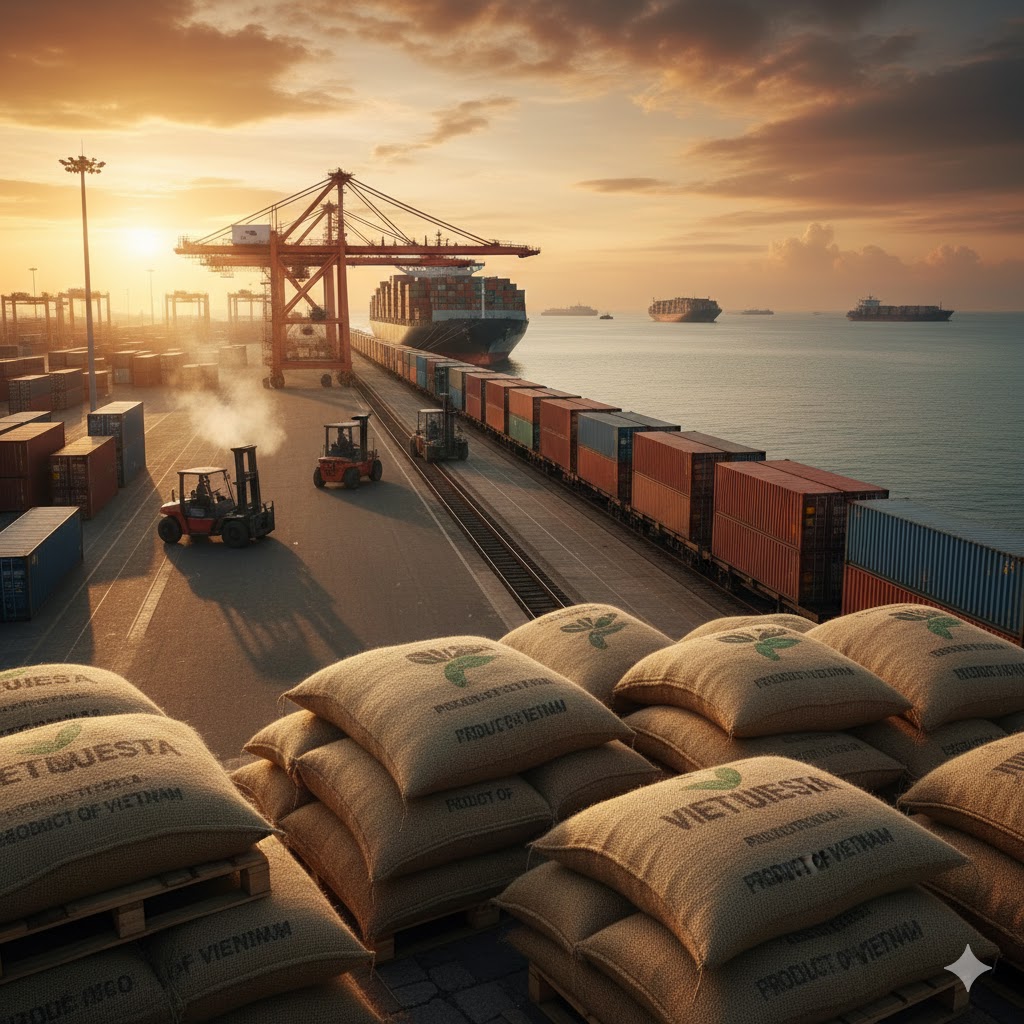
Vietnam continues to play a pivotal role in the global coffee landscape as the world’s largest robusta exporter. Beyond volume leadership, Vietnam is increasingly focused on improving quality, diversifying export destinations, and expanding its presence in higher-value segments such as processed and roasted coffee.
As global roasters adjust blends to manage costs, robusta has become more important in product formulations. This trend strengthens Vietnam’s strategic importance, particularly as arabica supplies remain vulnerable to weather-related disruptions.
The country’s coffee sector is also adapting to global sustainability requirements, with greater emphasis on traceability, environmental standards, and responsible farming practices. These efforts are critical to maintaining competitiveness in key markets such as the European Union and North America.
Logistics, Costs, and Trade Policy Pressures
Beyond production and consumption, the coffee market continues to be influenced by logistics and trade-related factors. Although shipping conditions have improved compared to previous years, freight costs remain elevated relative to pre-pandemic levels.
Currency fluctuations also play a significant role in shaping export competitiveness. Movements in the Brazilian real and Vietnamese dong can influence selling pressure and price behavior on global exchanges.
In parallel, evolving trade policies and sustainability regulations—particularly in Europe—are adding new layers of complexity. Compliance with environmental and deforestation-related rules is becoming a critical requirement for market access rather than a voluntary commitment.
Market Outlook: A Fragile Balance Ahead
Looking ahead, the global coffee market is expected to remain in a state of fragile balance. Supply recovery may limit upside price potential, but persistent climate risks and growing demand are likely to prevent any sustained price collapse.
For businesses operating across the coffee value chain, adaptability will be key. Monitoring weather patterns, managing exposure to price volatility, and responding to evolving consumer expectations will determine long-term competitiveness.
Investors and market participants should also be prepared for continued uncertainty. Coffee is increasingly behaving like a macro-sensitive commodity, influenced by broader economic conditions as much as by agricultural fundamentals.
Conclusion
The global coffee market today reflects a complex and evolving landscape. Prices are adjusting, supply is shifting, and consumption trends are changing rapidly. While the market shows signs of rebalancing, structural risks—particularly climate-related—remain firmly in place.
In this environment, countries and companies that invest in quality, sustainability, and value-added processing are best positioned to navigate volatility and capture long-term growth opportunities in the global coffee economy.