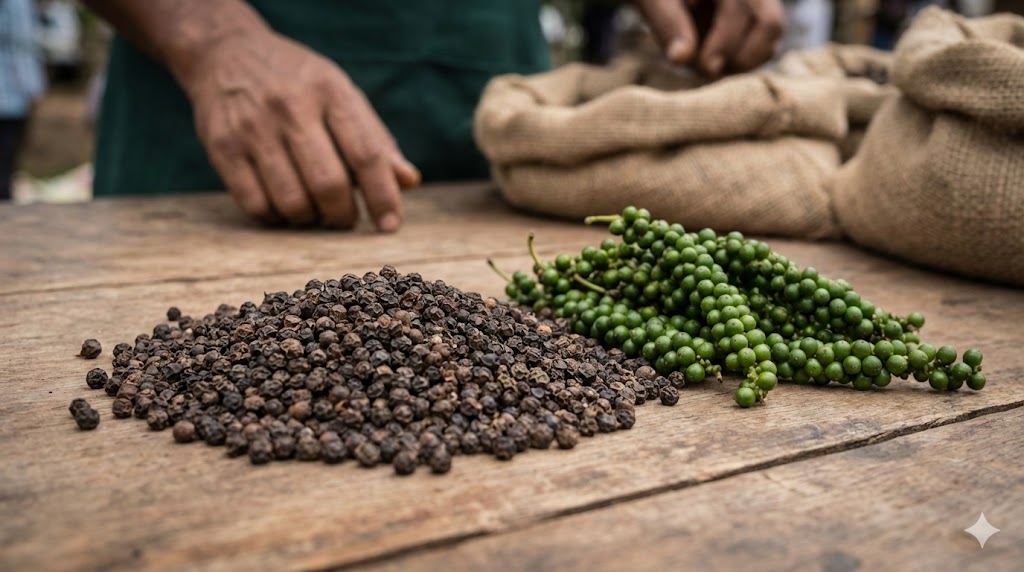
The global pepper market in 2026 is entering a phase of tighter supply and heightened price sensitivity, as structural constraints in major producing countries intersect with resilient global demand. After several years of low prices that discouraged farm investment, the market is now grappling with limited production growth, rising costs, and increased volatility.
Supply Constraints Persist in Key Producing Regions
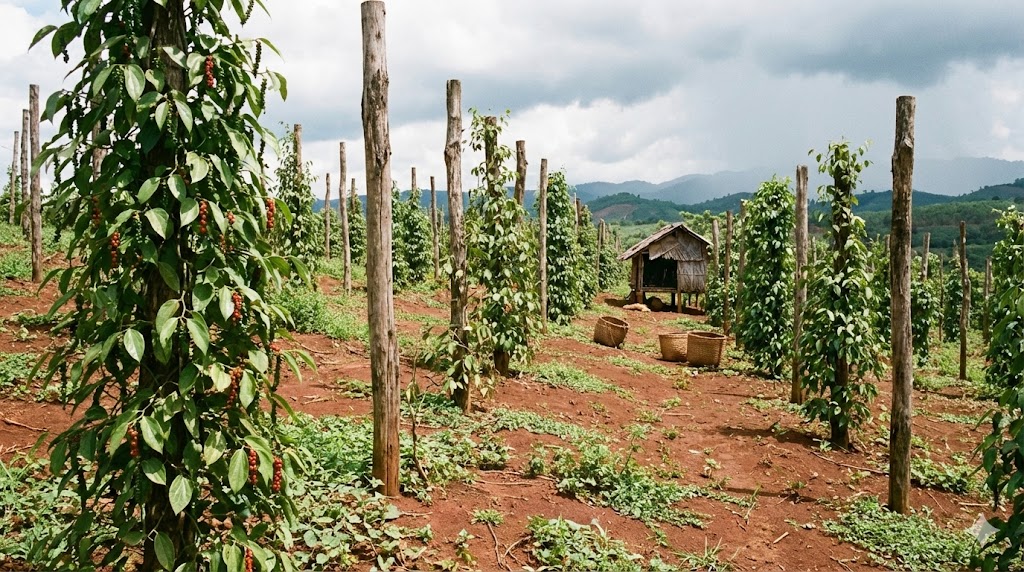
Vietnam, the world’s largest pepper producer and exporter, continues to face constrained output in 2026 as planted areas remain below peak levels seen earlier in the decade. Years of low profitability have reduced replanting activity, while higher input costs, including fertilizers and labor, have discouraged intensive cultivation.
Other major producers, including Brazil, Indonesia, and India, have also reported limited production growth. Weather variability, aging vines, and competition from alternative crops have capped yield recovery, reinforcing a structurally tighter global supply outlook.
As a result, global pepper inventories remain relatively lean, leaving the market vulnerable to weather-related disruptions and logistical bottlenecks.
Demand Remains Resilient Despite Higher Prices
On the demand side, global consumption of pepper remains steady, supported by food processing, food service, and household demand across both developed and emerging markets. While higher prices have prompted some buyers to adopt cautious purchasing strategies, demand destruction has so far been limited.
Importers in the United States and Europe continue to source actively, while Asian markets, particularly China and the Middle East, are showing gradual recovery following previous periods of weak buying. Analysts note that pepper demand tends to be relatively price inelastic compared with other spices, helping underpin market stability.
Price Dynamics: Volatility Returns to the Market
Pepper prices in 2026 are increasingly characterized by volatility rather than sustained directional trends. Tight physical availability, combined with cautious selling by farmers and traders, has amplified short-term price swings.
Market participants report that spot prices are highly sensitive to changes in export flows from Vietnam and Brazil, while speculative positioning and currency movements are adding another layer of uncertainty. As a result, price corrections are often sharp but short-lived, reflecting the underlying supply tightness.
Trade Flows and Export Competition
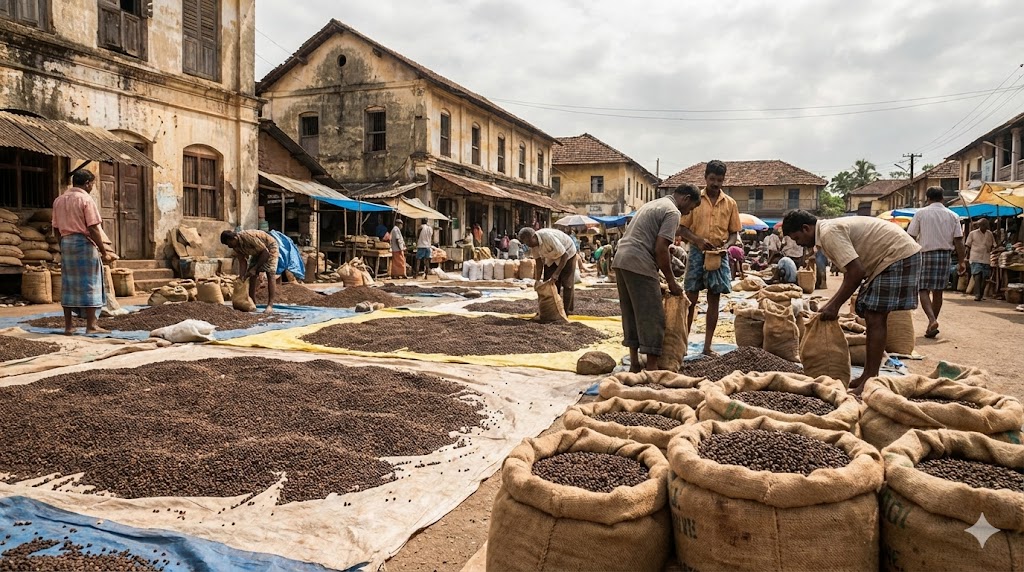
Vietnam continues to dominate global pepper exports, but competition from Brazil has intensified, particularly in key markets such as the United States and Europe. Brazil’s logistical advantages and competitive pricing have allowed it to gain market share, even as overall global supply remains constrained.
Meanwhile, stricter quality standards and traceability requirements in importing countries are reshaping trade flows, favoring exporters that can meet sustainability and compliance benchmarks.
Outlook for 2026 and Beyond

Looking ahead, the global pepper market is expected to remain finely balanced through 2026. Without a significant increase in planted areas or a sustained improvement in yields, supply growth is likely to lag demand, providing underlying price support.
However, high prices may encourage gradual replanting and improved farm management, potentially easing supply constraints over the medium term. Until then, the pepper market is likely to remain sensitive to weather risks, policy shifts, and changes in global trade dynamics.
For traders, processors, and investors, 2026 is shaping up to be a year where disciplined sourcing strategies, inventory management, and risk control will be critical in navigating an increasingly complex global pepper market.