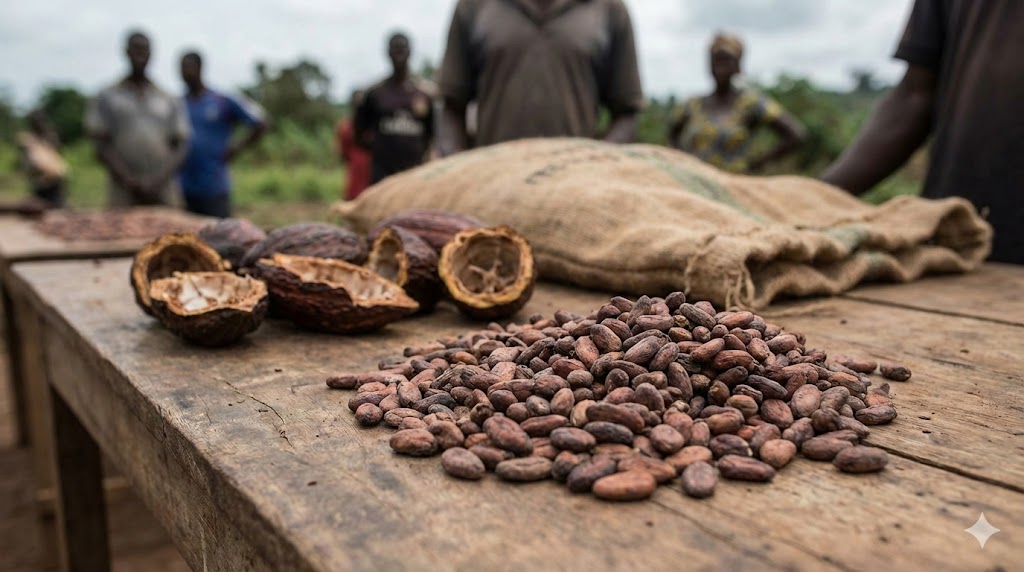
The global cocoa market is undergoing a structural shift, with supply constraints reshaping price dynamics and risk profiles across the value chain. Unlike previous cocoa rallies driven by temporary weather events, the current cycle reflects deeper issues, including aging plantations, disease pressure, and insufficient long-term investment in West African production.
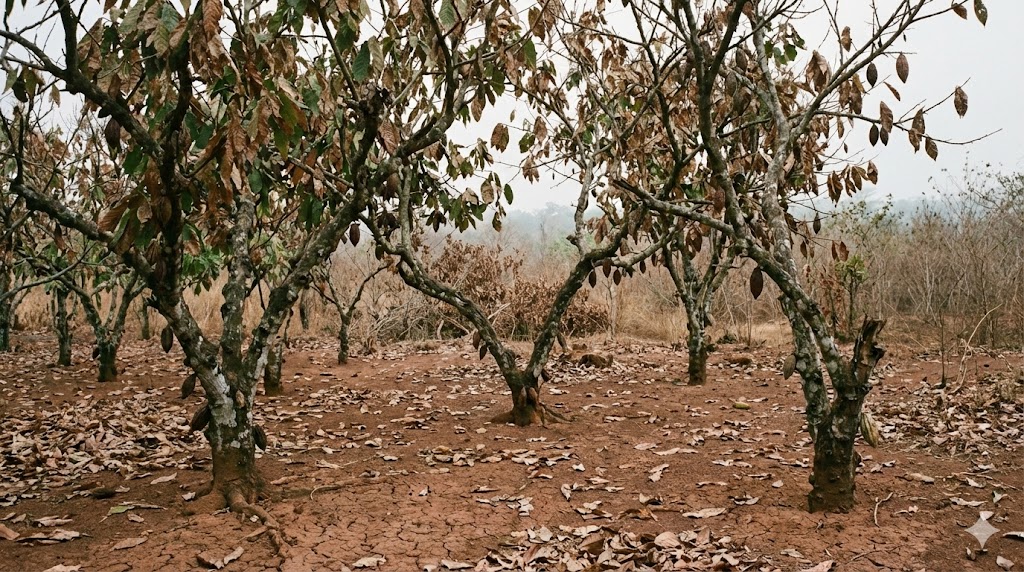
From an investment perspective, cocoa has transitioned into a high-volatility commodity where risk premiums are being repriced. Low inventories and tight physical supply have amplified futures market sensitivity, increasing the likelihood of sharp price movements during key crop and weather periods.
For institutional investors, cocoa offers both opportunity and risk. Elevated prices may persist over the medium term, supporting bullish positioning, but volatility management and disciplined risk controls are essential. For corporate participants, particularly chocolate manufacturers and grinders, hedging strategies have become increasingly critical as cost visibility deteriorates.
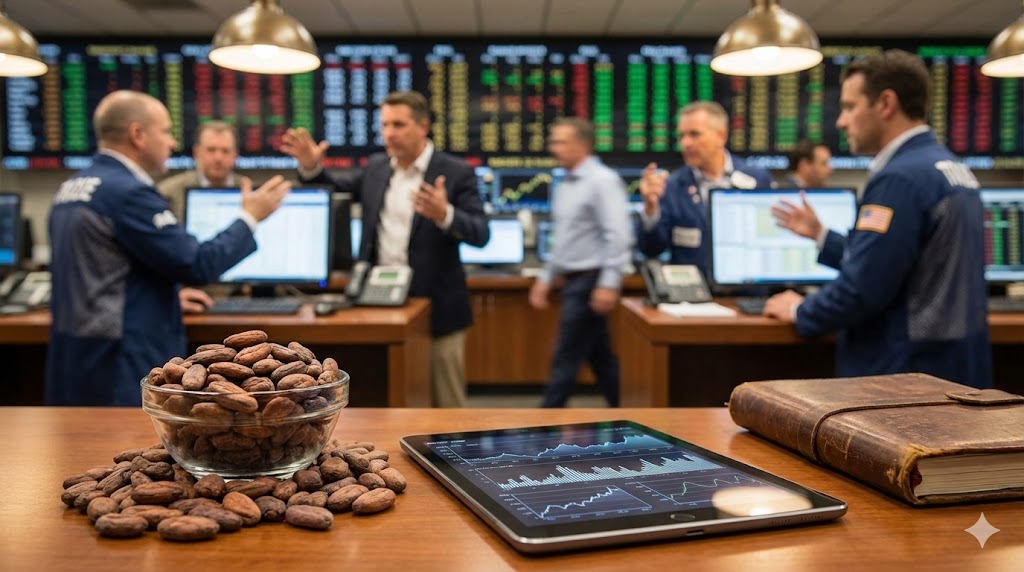
Looking ahead, market participants should closely monitor West African crop conditions, government pricing policies, and inventory trends on ICE exchanges. Without a meaningful recovery in yields or accelerated replanting programs, cocoa is likely to remain structurally tight through 2026, sustaining price support but elevating downside risks tied to demand adjustment.