
Jan 2026 – Market Brief
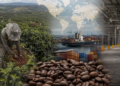
The global coffee market is moving into a rebalancing phase in 2026, as a recovery in production eases supply tightness that drove prices sharply higher over the past two years.
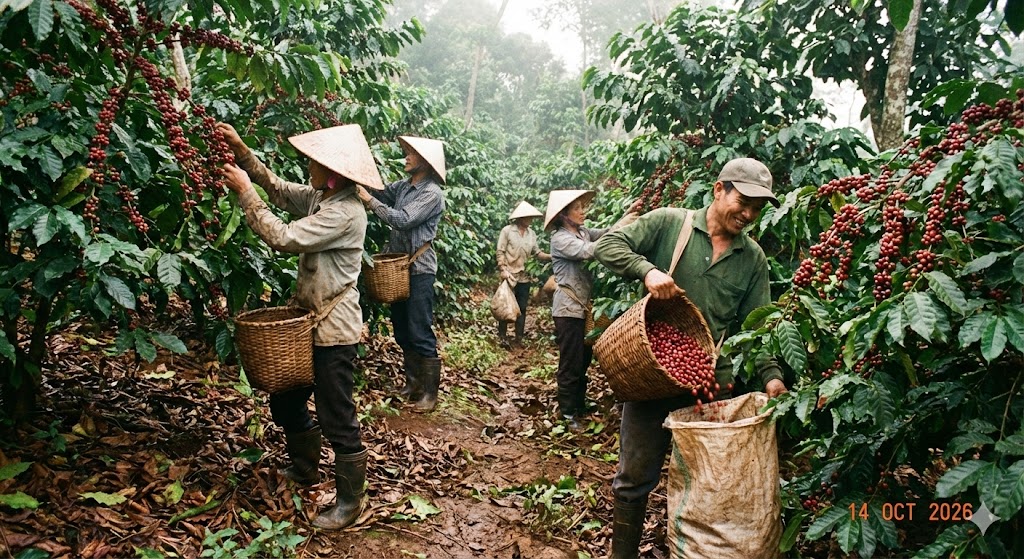
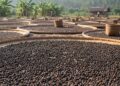
Global coffee output in the 2025/26 season is forecast at around 178-179 million 60-kg bags, according to industry estimates, marking a record high. Stronger harvests in Vietnam and Indonesia, particularly for robusta, are offsetting uneven arabica yields in Brazil and Colombia, where climate stress continues to weigh on productivity.
With consumption growth lagging behind output, the market is expected to shift into a modest surplus of 7-10 million bags in the 2026/27 cycle, reversing recent deficits.
Coffee prices, which surged in 2024-2025 amid tight inventories and weather disruptions, are showing signs of normalisation. Arabica prices are under greater downward pressure, reflecting improved South American supply, while robusta prices remain relatively supported by strong demand from instant coffee and espresso-blend manufacturers.
On the demand side, global consumption continues to grow at a steady but cautious pace. Asia remains the main engine of growth, driven by rising incomes and urbanisation, while developed markets are seeing a shift toward premium, specialty and certified coffees, supporting value despite slower volume growth.
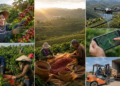
The industry is also experiencing increased consolidation, as major players seek scale, supply security and cost efficiencies in response to tighter margins and rising compliance costs. Sustainability requirements – including traceability and deforestation-free sourcing rules – are accelerating investment in farm technology and supply chain transparency.
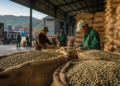
Vietnam, the world’s largest robusta producer, is expected to increase output by 7-10% year-on-year, reinforcing its central role in global supply and price formation. Exporters are increasingly targeting higher-quality robusta and processed products to improve margins.
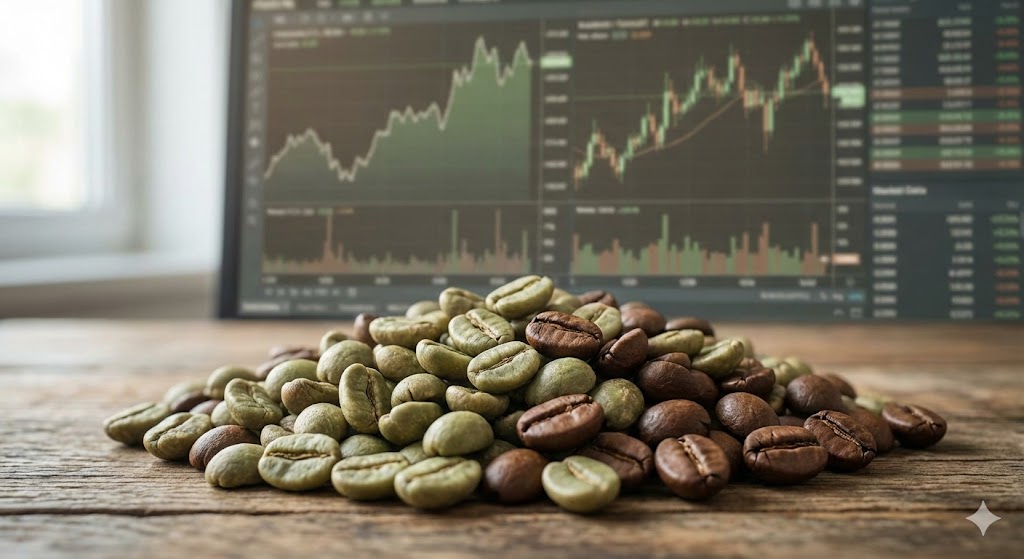
Outlook: While improved supply is easing price pressures, the market remains vulnerable to climate risks and macroeconomic shocks. For producers, traders and investors, competitiveness in 2026 will hinge on cost control, quality differentiation and sustainability compliance.