Overview
Vietnam’s coffee sector in 2026 remains a central pillar of the global coffee market, with structural shifts in production, exports and pricing reinforcing the country’s influence—particularly in the robusta segment. As climate volatility, farm-level restructuring and global demand realignment continue, Vietnam is increasingly shaping price formation on international exchanges and physical markets.
Production Outlook: Climate Pressure and Farm Restructuring
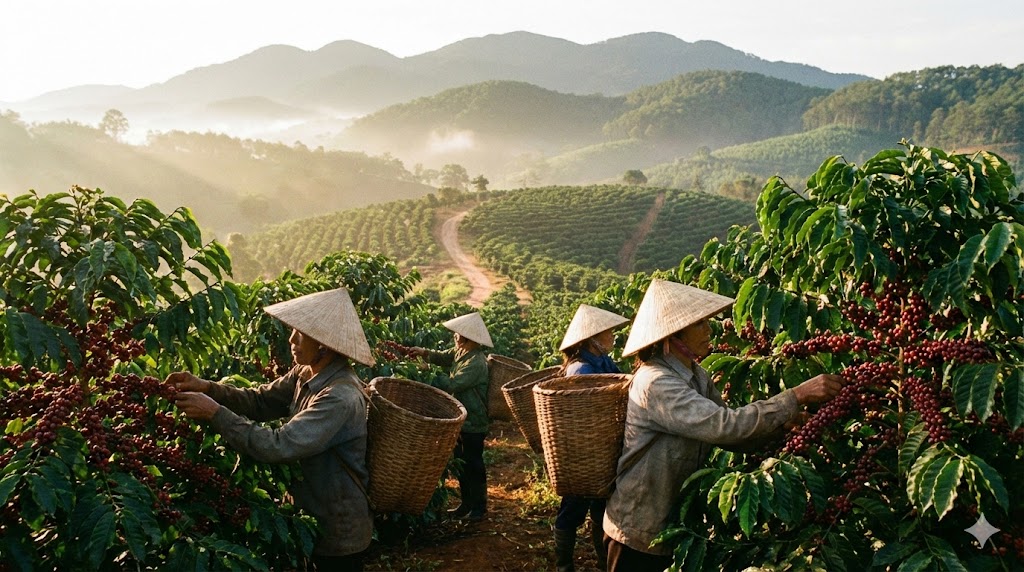
Vietnam’s coffee output in the 2025/26 season is projected to stabilize after several years of weather-driven volatility. Prolonged droughts linked to El Niño patterns and irregular rainfall have constrained yield growth, especially in the Central Highlands.
Farmers are gradually shifting toward:
- Drought-tolerant robusta varieties
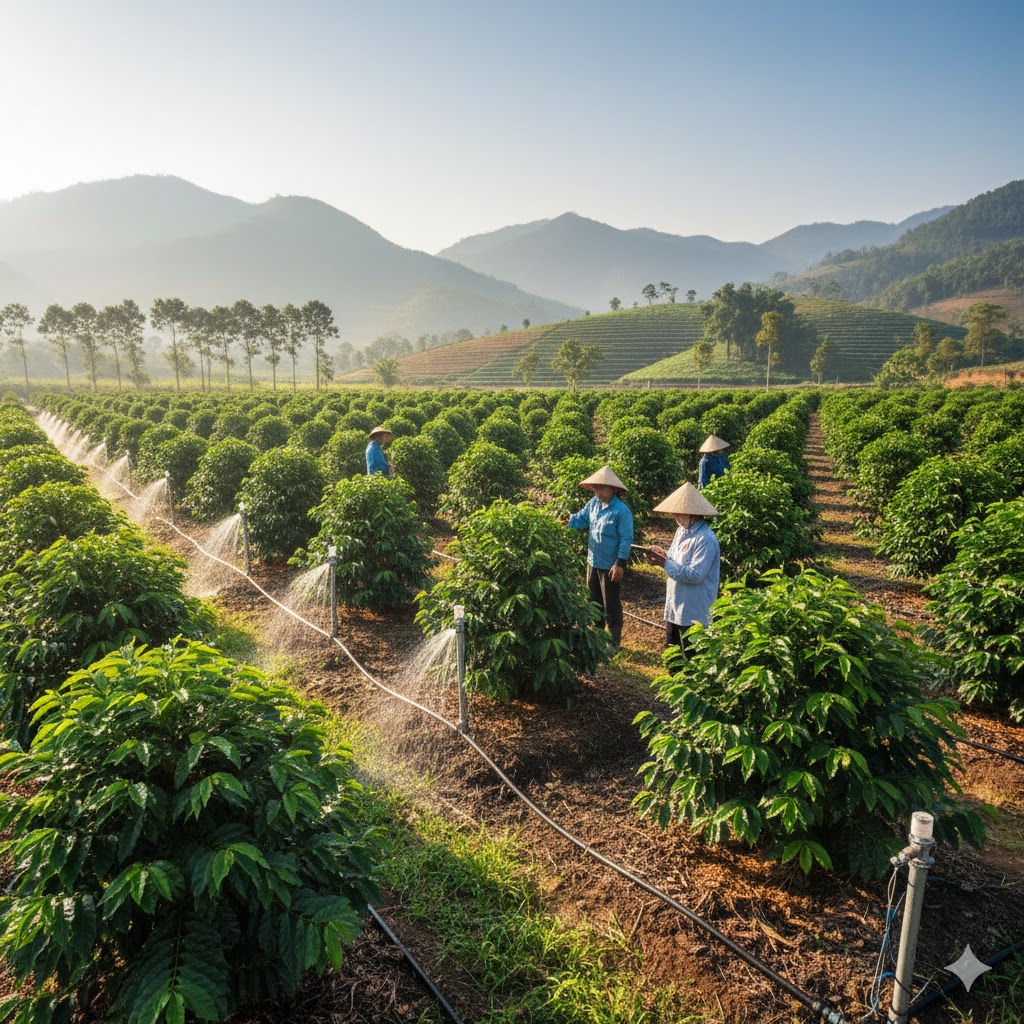
- Improved irrigation and water-saving techniques
- Higher-density planting models to offset land constraints
However, rising input costs—fertilizers, labor and energy—are limiting aggressive expansion, keeping overall production growth modest.
Exports: Volume Under Pressure, Value Holding Firm
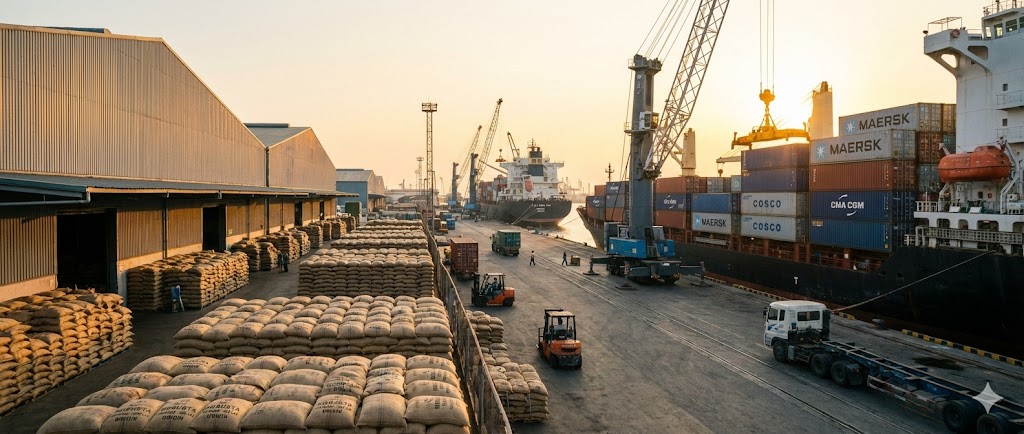
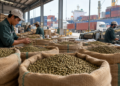
Vietnam’s coffee exports in 2026 are expected to show flat-to-lower volumes, but export revenues remain resilient, supported by elevated global prices and robust demand for industrial-grade robusta.
Key export dynamics include:
- Strong demand from Europe and Asia for robusta used in instant coffee and blends
- Increasing shipment concentration toward large trading houses and multinational buyers
- Reduced spot availability due to tighter farmer selling amid price volatility
Exporters report that many growers are delaying sales, anticipating further price upside amid global supply risks.
Prices: Vietnam’s Growing Influence on Global Benchmarks

Robusta futures remain highly sensitive to supply signals from Vietnam. In 2026, the country’s role in price discovery has intensified as:
- Global arabica supply remains vulnerable to weather risks in Brazil
- Roasters continue reformulating blends toward higher robusta ratios
- Exchange-certified stocks fluctuate at historically tight levels
As a result, any disruption in Vietnam’s harvest or export flow has an outsized impact on global coffee prices.
Structural Shifts: From Volume to Value
Beyond volume, Vietnam is accelerating its transition up the value chain:
- Expansion of specialty robusta and traceable coffee programs
- Growth in domestic processing capacity (roasted, instant, freeze-dried coffee)
- Greater compliance with sustainability and deforestation-free regulations for EU markets
These shifts are expected to gradually reduce dependence on raw bean exports while improving margin resilience.
Market Outlook
Looking ahead, Vietnam’s coffee market in 2026 is defined by tight supply discipline, structural upgrading and sustained global relevance. While production growth remains capped by environmental and cost pressures, Vietnam’s strategic importance to global coffee pricing—particularly robusta—continues to strengthen.
For traders, roasters and investors, Vietnam remains a critical market to watch as supply-side developments increasingly dictate global coffee price trajectories.