
Market Insight
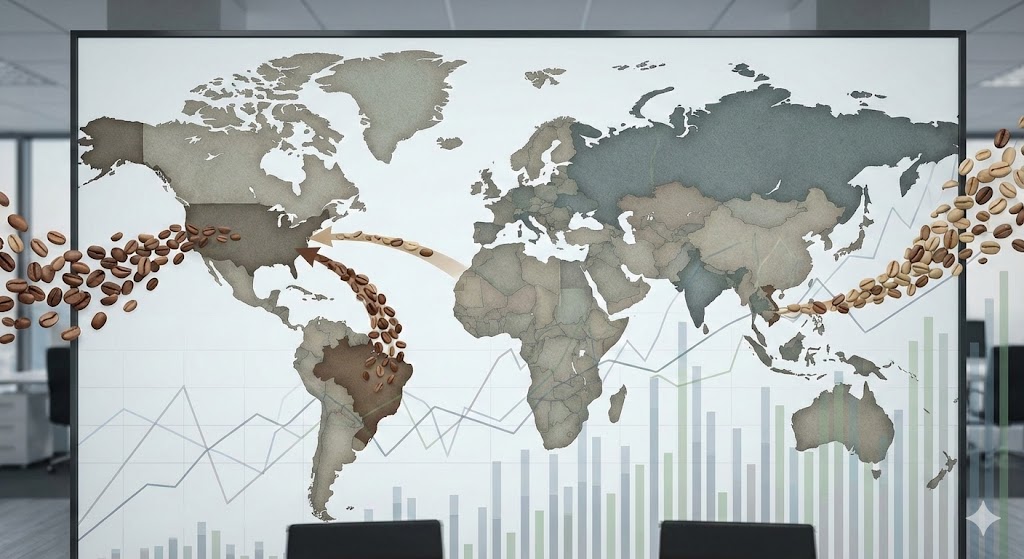
US coffee prices remain stubbornly high despite the removal of import tariffs, underscoring how structural supply constraints and futures market dynamics continue to outweigh policy relief in the short term.
While the tariff rollback was expected to ease cost pressures for roasters and consumers, the move has so far failed to translate into lower prices at either the wholesale or retail level. Analysts say the global coffee market remains fundamentally tight, limiting the immediate impact of trade policy changes.
Tight Global Supply Offsets Policy Relief
The primary driver behind elevated prices is the persistently high cost of green coffee on international markets. Weather disruptions in key producing countries, including Brazil and Vietnam, combined with low inventories and rising production costs, have kept both Arabica and Robusta prices well supported on futures exchanges.
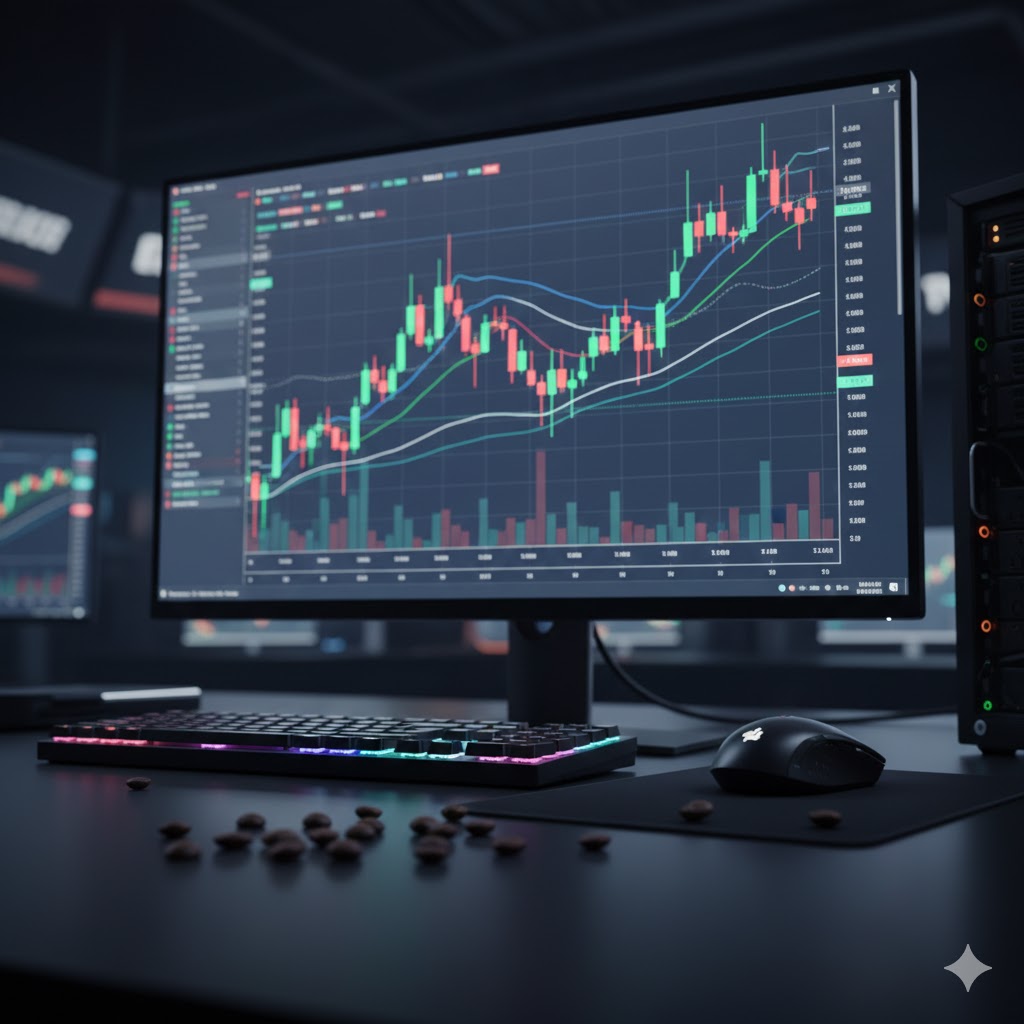
As a result, US importers and roasters continue to face elevated input costs, even as tariffs are removed. Futures prices, rather than trade policy, remain the dominant force shaping pricing decisions across the supply chain.
Supply Chain Lag Delays Price Adjustment
Market participants also point to the lag inherent in the coffee supply chain. Many US roasters are still working through inventories purchased under earlier contracts at higher prices, limiting their ability to pass on any potential savings from the tariff rollback.
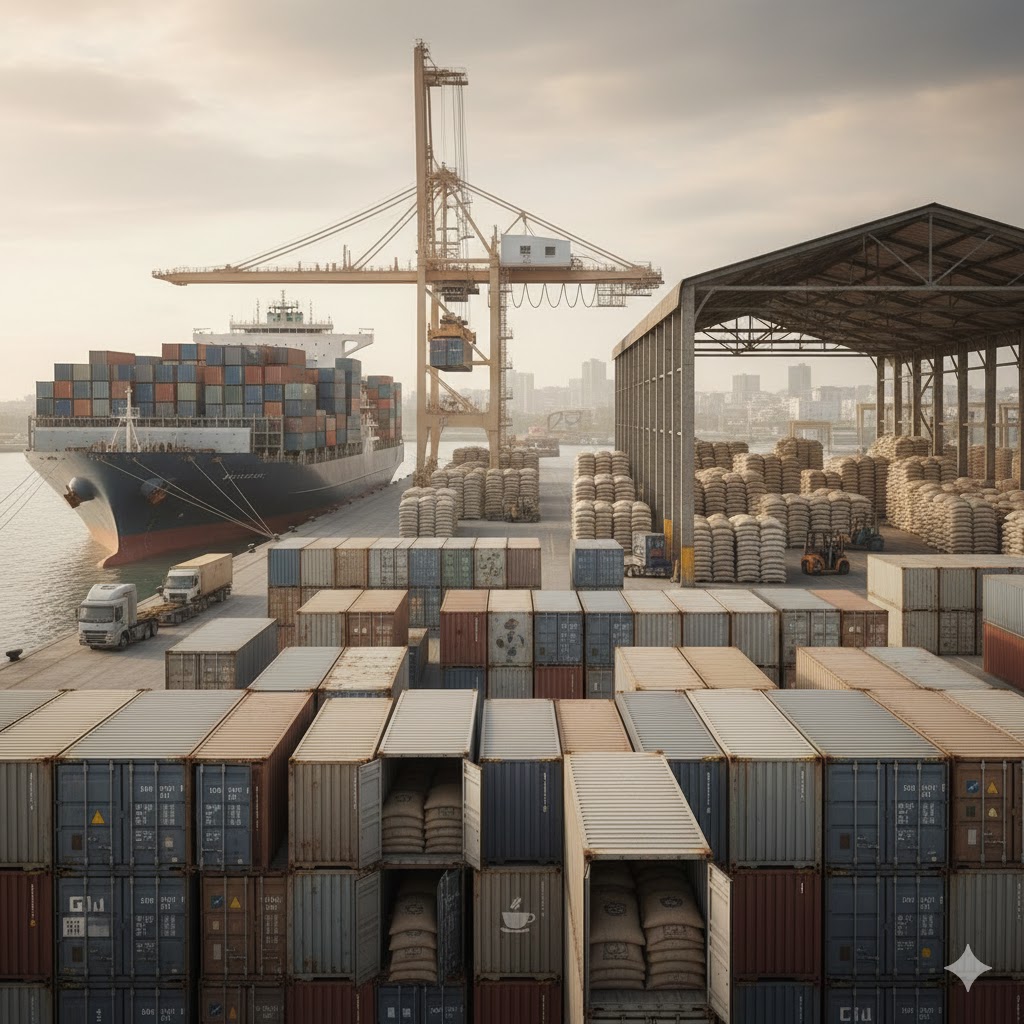
Coffee typically moves through a long procurement cycle—from import contracts to storage, roasting and distribution—meaning policy changes often take months to be reflected in consumer prices. In the near term, retail prices are expected to remain under upward pressure.
Futures Market Continues to Set the Tone
On the derivatives side, coffee futures remain supported by concerns over supply availability and steady demand from major consuming markets, particularly the United States. Speculative positioning shows little sign of a broad-based exit from long positions, suggesting downside corrections may remain limited and short-lived.
Analysts note that any meaningful and sustained price decline would likely require a clear improvement in global supply conditions rather than policy adjustments alone.
Outlook: Gradual Easing, Not a Sharp Correction
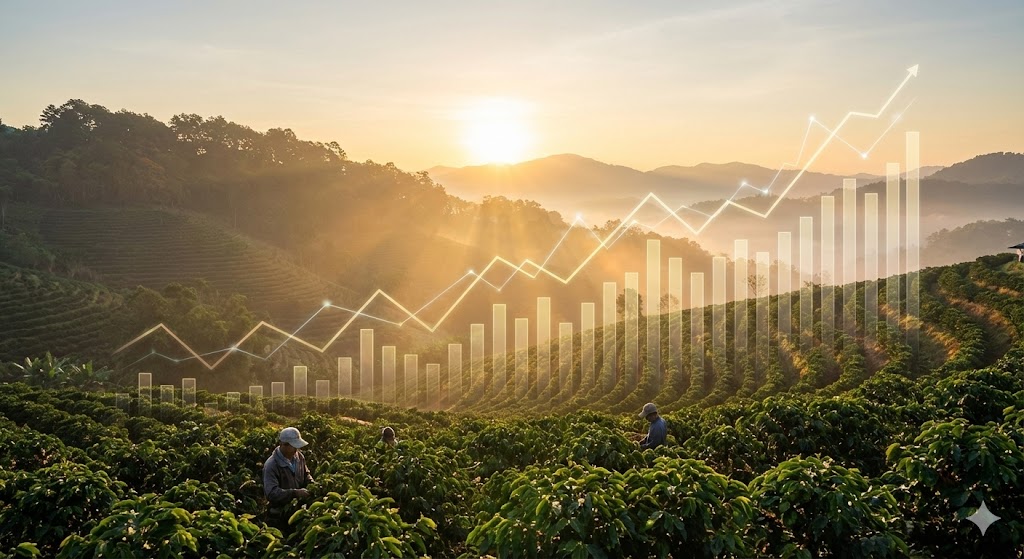
Looking ahead, the removal of tariffs may help cap further price increases, but it is unlikely to trigger a sharp reversal. Prices are expected to ease only gradually, remaining well above long-term averages as long as supply risks persist.
For coffee traders, roasters and investors, the current environment reinforces the importance of disciplined risk management, particularly as futures markets continue to play a central role in price discovery.