The global coffee trade is entering a new phase of consolidation and strategic restructuring, and the recent decision by Volcafe to bring its North American operations under direct leadership offers an important signal about the direction of the industry. While the announcement may appear operational at first glance, it reflects deeper structural changes within the global green coffee supply chain — particularly as traders adapt to volatility, tighter margins, and growing demands for transparency and sustainability.
Founded in 1851, Volcafe has long been one of the most influential players in the global coffee trade. The company supplies beans used to produce more than 66 billion cups of coffee annually, sourcing from major producing regions across Latin America, Africa, and Asia.
Its decision to consolidate North American operations under direct corporate leadership therefore carries significant implications not only for regional trade flows but also for the broader structure of the coffee merchanting sector.
Strategic Realignment in the World’s Largest Consumption Market

North America remains one of the most important coffee consumption regions in the world, with the United States alone accounting for a major share of global roasted coffee demand. By integrating regional activities into a unified corporate structure, Volcafe aims to streamline its supply chain, accelerate decision-making, and strengthen its ability to respond to market volatility.
Previously, parts of the business operated through licensing arrangements with external entities. The transition brings the region fully under Volcafe governance, creating a single integrated platform for sourcing, logistics, trading, and customer relationships.
From a market perspective, this move highlights a growing priority among large coffee merchants: greater control over the entire value chain, from origin procurement to roaster delivery.
For roasters operating in an increasingly volatile environment—characterised by price spikes, logistics disruptions, and climate risks—supply chain reliability has become a critical competitive factor.
Consolidation in the Global Coffee Merchant Sector

Volcafe’s restructuring also reflects a broader trend reshaping the coffee trading landscape: industry consolidation.
The global green coffee trade has historically been dominated by a small number of multinational trading houses. Firms such as Neumann Kaffee Gruppe, ECOM, and Volcafe collectively control a significant portion of global export flows.
In recent years, the sector has experienced increasing financial pressure due to several structural factors:
- Extreme price volatility in coffee futures markets
- Rising financing costs for commodity traders
- Supply disruptions linked to climate change
- Increasing traceability requirements from regulators and buyers
These pressures have pushed trading houses toward larger-scale operations and stronger integration across supply chains.
The acquisition of Volcafe by the commodities trading firm Hartree Partners in recent years also underscores how financial investors are becoming more involved in agricultural commodity trading. Analysts view these developments as part of a wider consolidation trend within the sector, as companies seek scale to manage risk and maintain profitability.
Responding to a More Complex Coffee Supply Chain
Beyond structural consolidation, the move also reflects changes in the way coffee supply chains operate today.
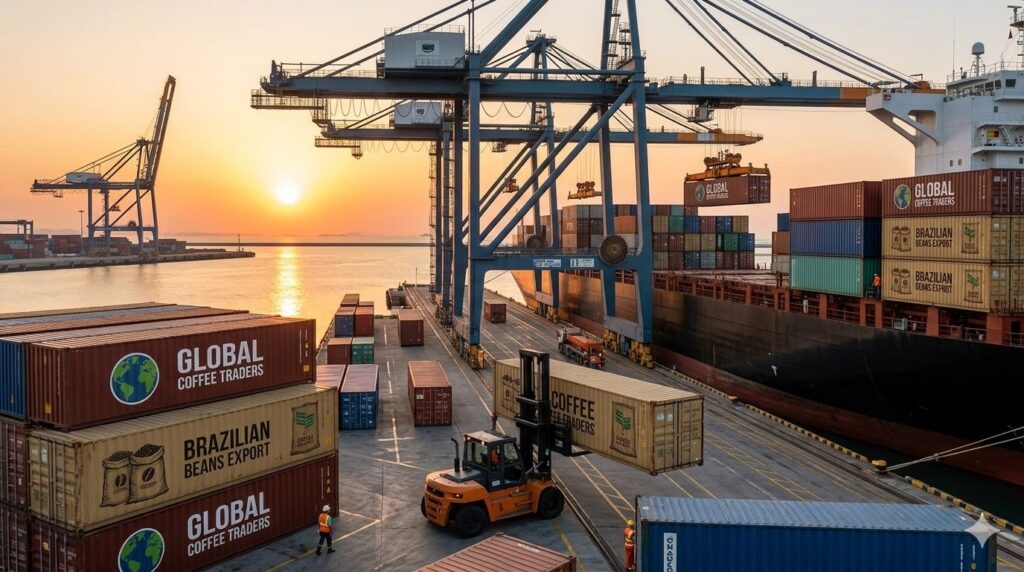
Modern coffee trading is no longer limited to simply buying beans from origin countries and selling them to roasters. Today’s merchants must provide integrated services including:
- Risk management and hedging
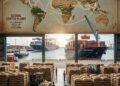
- Logistics coordination across global shipping networks
- Quality control and traceability systems
- Sustainability verification programs
Volcafe’s integrated model allows roasters to access a wide network of producing regions while benefiting from centralized research capabilities and market intelligence.
This capability is particularly valuable in a period where climate variability is reshaping coffee production patterns. Droughts in Brazil, unpredictable rainfall in Vietnam, and rising temperatures across Africa have made supply forecasting more complex than ever before.
Large traders with global origin networks are therefore increasingly positioned as risk managers for the coffee industry, helping roasters secure stable supply despite environmental uncertainty.
Sustainability and Traceability as Competitive Drivers

Another major driver behind supply chain integration is the growing importance of sustainability and traceability in the coffee market.
Consumers and regulators alike are demanding greater transparency about where coffee is produced and how it is grown. Programs that address deforestation, farmer income, and regenerative agriculture are becoming central to coffee sourcing strategies.
Volcafe has been actively investing in sustainability initiatives, including farmer support programs and regenerative agricultural practices aimed at improving both environmental outcomes and farmer profitability.
By controlling its North American operations directly, the company can ensure these sustainability frameworks are consistently applied across its supply chain.
For multinational roasters—many of which have ambitious environmental and social commitments—such integrated sourcing platforms are increasingly essential.
Implications for Coffee-Producing Countries

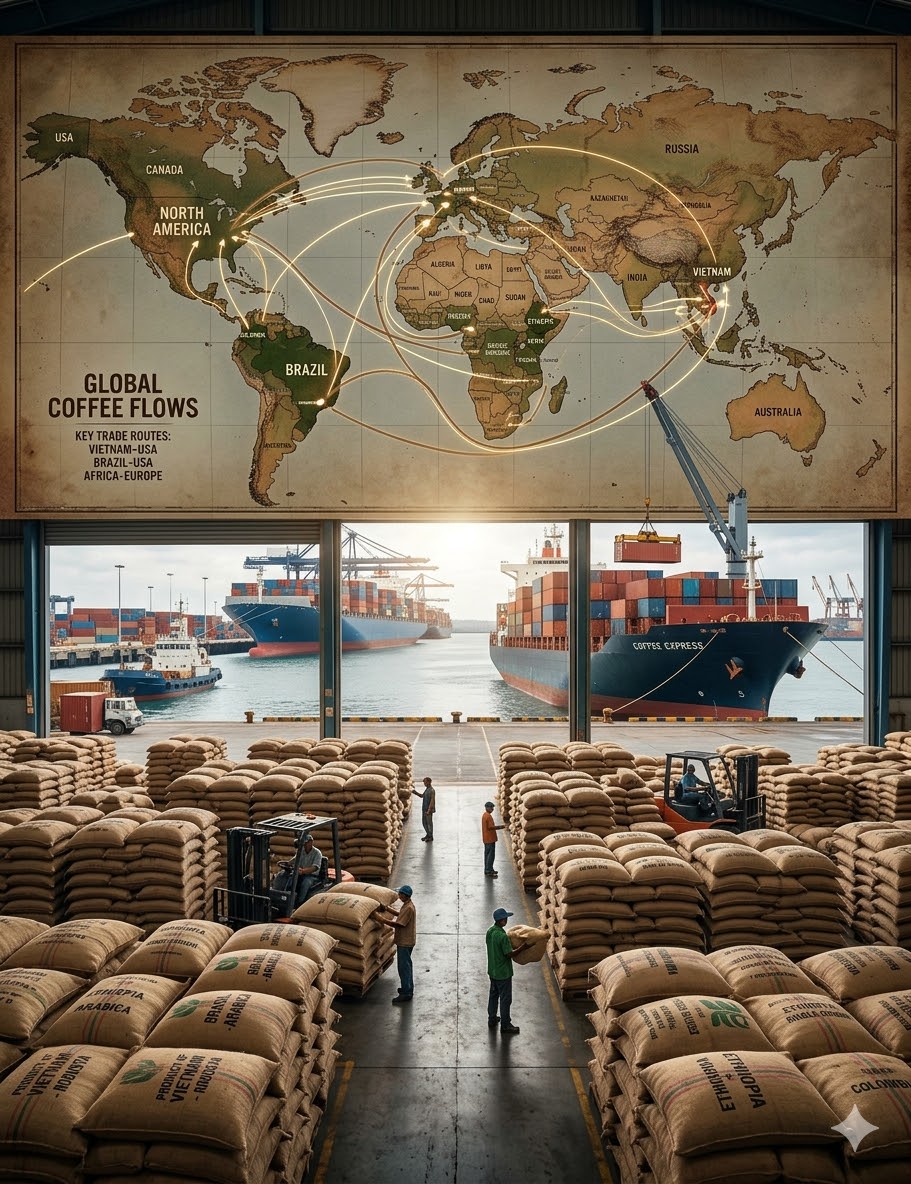
For producing countries such as Vietnam, Brazil, and Colombia, consolidation among large traders can have mixed implications.
On one hand, large global merchants provide stable market access, financing for exporters, and sophisticated logistics networks that connect farmers to international buyers.
On the other hand, concentration of trading power can also shift negotiating leverage toward multinational intermediaries.
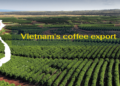
Vietnam, currently the world’s largest exporter of Robusta coffee, plays a particularly strategic role in this global trading system. Major traders such as Volcafe rely heavily on Vietnamese supply to meet growing demand for espresso blends and instant coffee production.
As the global coffee trade becomes increasingly integrated, origin countries may need to invest more heavily in value-added processing, traceability systems, and direct trade relationships in order to maintain bargaining power within the supply chain.
A Signal of the Next Phase in Coffee Trade
Ultimately, Volcafe’s North American consolidation is more than a corporate restructuring. It reflects the evolving nature of the coffee industry itself.
The next phase of the global coffee market will likely be shaped by three major forces:
- Supply chain integration and consolidation
- Climate-driven production risks
- Rising expectations around sustainability and transparency
In this environment, traders that combine global origin networks, financial capacity, and advanced logistics infrastructure will play an increasingly influential role.
For coffee businesses across the value chain—from farmers and exporters to roasters and retailers—the message is clear: the future of coffee trade will belong to those capable of navigating complexity at scale.