A Turning Point for Vietnamese Coffee: Prices and Exports in Focus
Vietnam’s coffee sector – long a linchpin of the global robusta market – is entering 2026 at a pivotal juncture. After a run of record-breaking export revenues and elevated coffee prices, the Vietnam coffee market 2026 narrative is shifting toward supply rebalancing, softer price momentum, and structural challenges that will define the year ahead. With international coffee prices showing signs of moderation and export volumes continuing strong, growers, traders, and investors alike are recalibrating expectations for production, coffee prices today, and the coffee price forecast through 2026 and beyond.
Export Boom Despite Anticipated Price Pressure
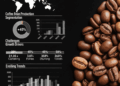
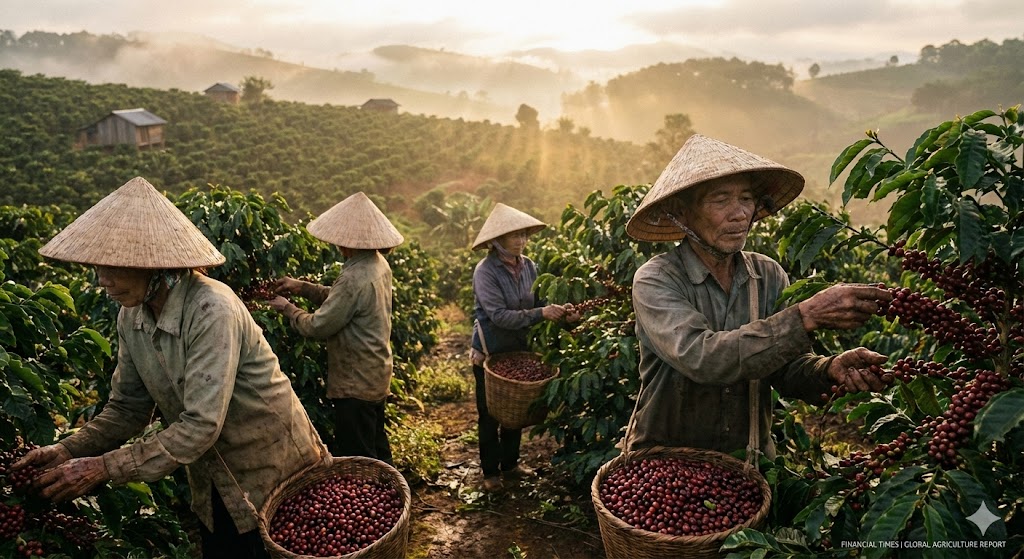
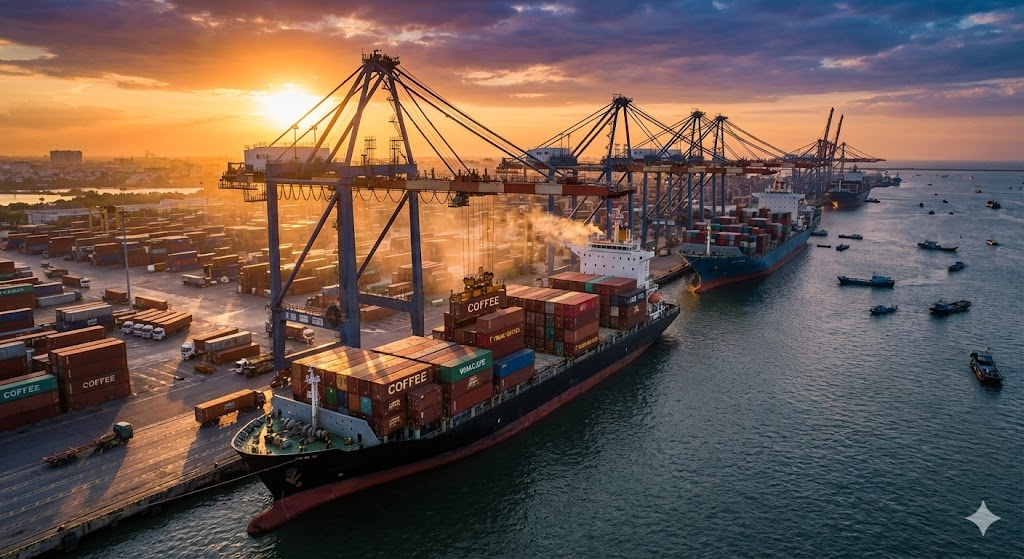
Vietnam’s coffee exports hit exceptional highs through 2025, laying the groundwork for a robust 2026 performance. Data from the Vietnam Customs Department show total coffee export volume reached approximately 1.59 million tonnes in 2025, generating nearly US $8.9 billion in export value – increases of roughly 18.3% and 58.8% year-on-year, respectively.
This surge highlights strong global demand, notably from Europe, where Germany, Italy, and Spain remained leading buyers, alongside rising shipments to markets including the United States, Japan, and Southeast Asia.
Yet export value growth is outpacing volume, a signal that while demand remains robust, international coffee prices today have become a central variable for Vietnam’s export returns.
Coffee Prices Today: Domestic and International Dynamics
In early 2026, domestic coffee prices in Vietnam’s major growing regions – particularly the Central Highlands – have shown modest positive momentum. As of January, local farm-gate prices hovered around 98,000-98,500 VND per kilogram (roughly US $3.7-3.8/kg), inching higher after the 2025 harvest season.
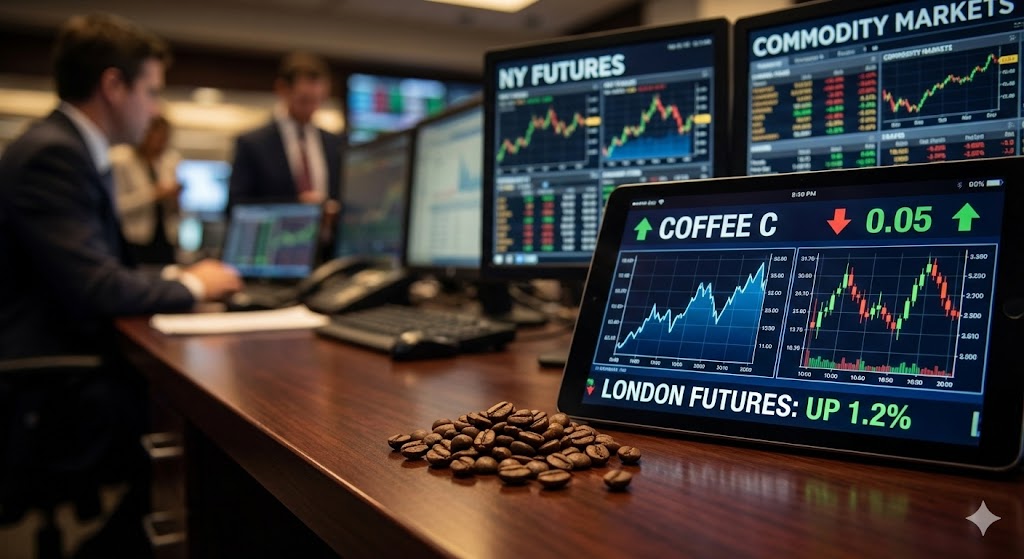
However, on global futures markets, coffee prices have eased from prior peaks as supply constraints ease. Robusta futures in London and arabica contracts in New York both experienced downward pressure as 2026 began, reflecting broader market rebalancing.
This divergence – firm domestic prices amid softer exchange-traded benchmarks — underscores a transitional phase where local factors (harvest timing, farmer stock retention) temporarily buffer global pricing trends.
Supply Trends: Higher Production Meets Rebalancing
Growing Output
The global coffee market is shifting from the deficit conditions that dominated 2023-2025 toward a more balanced supply-demand dynamic. Forecasts by the U.S. Department of Agriculture and other industry bodies project global coffee production around 178-179 million 60-kg bags in the 2025-2026 crop year, outpacing consumption estimates near 173.9 million bags.
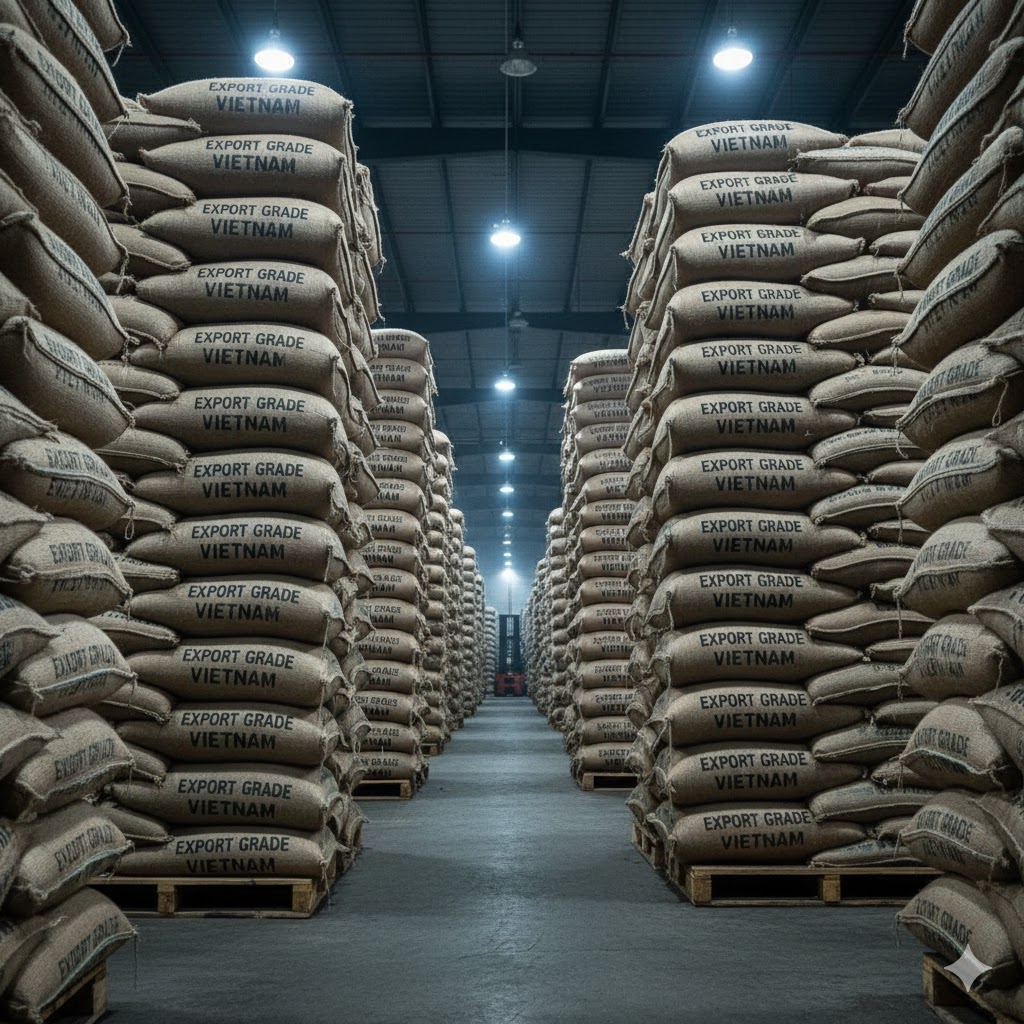
Vietnam itself is entering 2026 with expectations of an increase in output, sparked by favorable weather and strong planting decisions following high prices. USDA figures suggest the Vietnamese harvest could approach roughly 30 million bags (about 1.8 million tonnes), bolstering exportable supply.
Brazil’s Influence
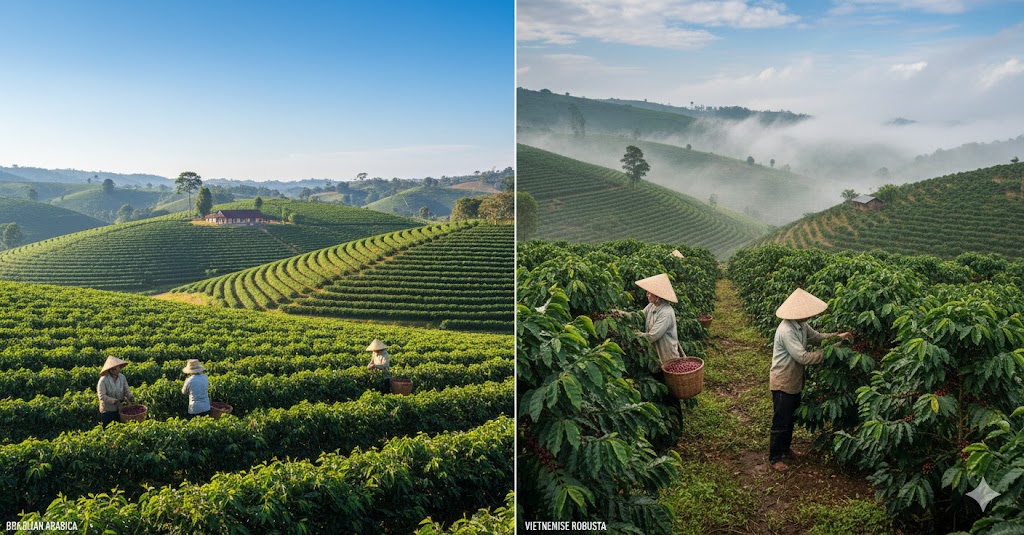
Brazil, the world’s largest coffee producer, continues to play an outsized role in shaping price trends. Signs of improved weather conditions and expanding robusta acreage in Brazil have contributed to increased production prospects, adding to global supply pressure.
Because Brazilian output largely influences arabica prices globally, shifts there ripple into pricing and hedging behavior that affect Vietnamese robusta indirectly, especially for blended roasters and global arbitrage strategies.

Key Drivers Shaping the Vietnam Coffee Market 2026
1. Global Economic Conditions
Worldwide macroeconomic trends – from consumer spending in key markets like the EU and the U.S. to currency volatility and inflationary pressures – continue to influence coffee demand. A slowing global economy could temper appetite for premium coffee and dampen price growth.
2. Supply and Weather Variables
Coffee cultivation remains vulnerable to climatic variability. Adverse weather in Brazil or Vietnam – drought, irregular rainfall, or heat stress – can tighten supply and elevate prices. Conversely, favorable conditions and improved yields contribute to price moderation.
3. Exchange Rates
The strength of the U.S. dollar against the Vietnamese dong and other currencies affects export revenues when converted back into local terms. A stronger dollar can depress commodity prices in domestic currency terms even if global prices steady.
4. Inventory Levels
Global coffee inventories – particularly green bean stocks held by exporting countries and major roasters – are a crucial buffer against price volatility. A shift from supply deficits toward mild surpluses is expected to constrain price spikes, while low inventories can still create upward pressure if demand rebounds unexpectedly.

Coffee Prices Forecast: 6 -12Month Outlook
Looking ahead, the coffee price forecast for Vietnam and the broader market suggests a period of relative stability with moderate downward adjustment from recent peaks:
- Short term (next 3-6 months): Prices may soften modestly as new crop volumes hit export channels and global supply tightness eases. Domestic prices could remain supported by stockholding behavior from growers and processors but will likely reflect broader market trends.
- Medium term (6-12 months): With global supply expected to exceed demand slightly and inventories normalizing, prices are forecast to trend lower year-on-year. Some analysts project a decline in robusta benchmark prices, potentially in the 2-5% range, while arabica could see larger corrections given production improvements in South America.
Volatility will remain, and unexpected climate events or macroeconomic shocks could rapidly alter these trajectories.
Structural Challenges and Strategic Priorities
While export growth remains strong, Vietnam’s coffee sector grapples with structural issues:
- Low value-added exports: A large proportion of shipments are raw beans, limiting revenue potential relative to roasted or specialty products.
- Sustainability standards: Rising demands from the EU and other buyers for traceability, deforestation compliance, and environmental sustainability are reshaping supply chains.
- Price risk management: With price cycles becoming less predictable, investment in hedging tools, crop insurance, and forward contracts is increasing among larger exporters.

Expert Commentary: Strategic Moves for Navigating 2026
Industry experts emphasize diversification and risk mitigation as essential for market resilience. “Vietnam must accelerate the shift from raw exports toward higher-margin products,” says a senior coffee analyst in Ho Chi Minh City. “Investing in roasting, branding, and compliance with global sustainability standards will be pivotal for capturing long-term value.”
For investors and market participants, 2026 appears to be a year of transition rather than runaway growth. Coffee price trends suggest more normalized valuations after recent spikes, and exposure to both commodity risk and currency fluctuations necessitates disciplined strategies.
Investment insight: Commodity investors should monitor fundamental drivers – especially weather forecasts, Brazil output signals, and inventory reports – to anticipate inflection points in coffee prices. Meanwhile, value chain investors may find opportunities in processing, traceability technology, and specialty coffee platforms that can leverage Vietnam’s export dominance into differentiated revenue streams.
In a market balancing historic export performance with emerging headwinds, the Vietnam coffee market in 2026 will be defined by adaptation – to shifting global supply dynamics, evolving buyer expectations, and a price environment that rewards informed, forward-looking strategies.