
Supply recovery caps upside, risks keep prices supported
LONDON/HANOI – The global coffee market is expected to move into a rebalancing phase in 2026, as production recovers across key origins while structural risks continue to limit downside price potential.
Global output in the 2025/26 season is forecast to rise, led by improved harvests in Brazil and Vietnam, easing some of the supply tightness seen in recent years. However, market participants say the recovery is unlikely to generate a meaningful surplus, as consumption growth remains steady and inventories stay below long-term averages.

Price outlook:
Coffee prices are expected to trade range-bound to slightly lower in 2026, assuming normal weather conditions. Analysts note that prices are unlikely to revisit pre-2021 lows due to:
- Persistently low global stocks
- Higher production and financing costs
- Rising compliance expenses linked to sustainability and traceability rules
Volatility is expected to remain elevated, with prices highly sensitive to weather disruptions and speculative flows.
Key risks:
Climate volatility remains the dominant risk factor. Any adverse weather in Brazil or Vietnam could quickly tighten supply and trigger sharp price moves. In parallel, the rollout of the EU Deforestation Regulation (EUDR) from 2026 is expected to raise costs and reshape trade flows, potentially constraining supply from less-prepared exporters.
Vietnam focus:
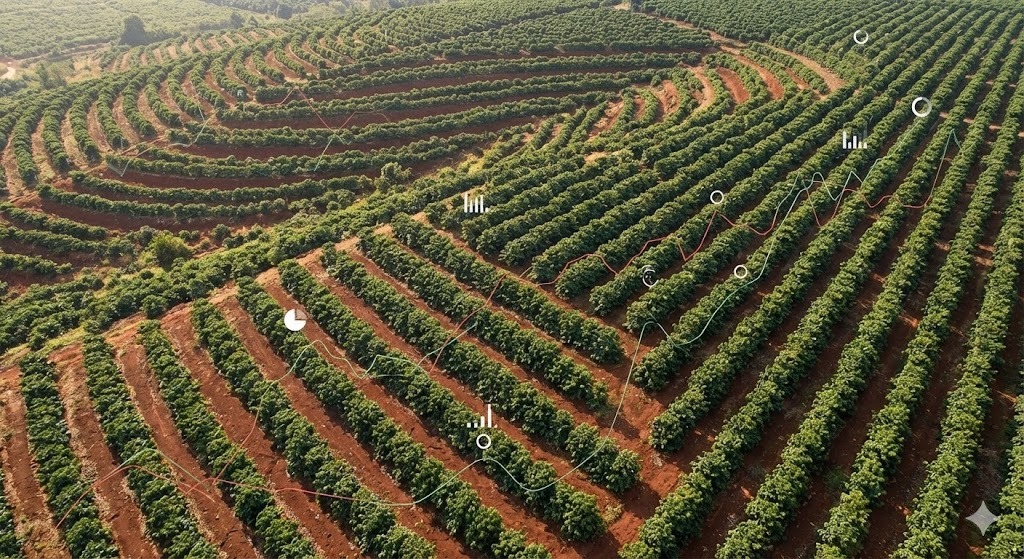
Vietnam is set to maintain its role as the world’s largest robusta supplier, acting as a stabilising force for industrial-grade coffee. A recovery in Vietnamese output could ease pressure on global balances but is unlikely to eliminate volatility.
Investor takeaway:
The 2026 coffee market offers limited directional conviction, with upside capped by supply recovery and downside supported by structural constraints. For investors, coffee is likely to remain a volatility-driven asset, favouring range-trading strategies and active risk management rather than long-term directional bets